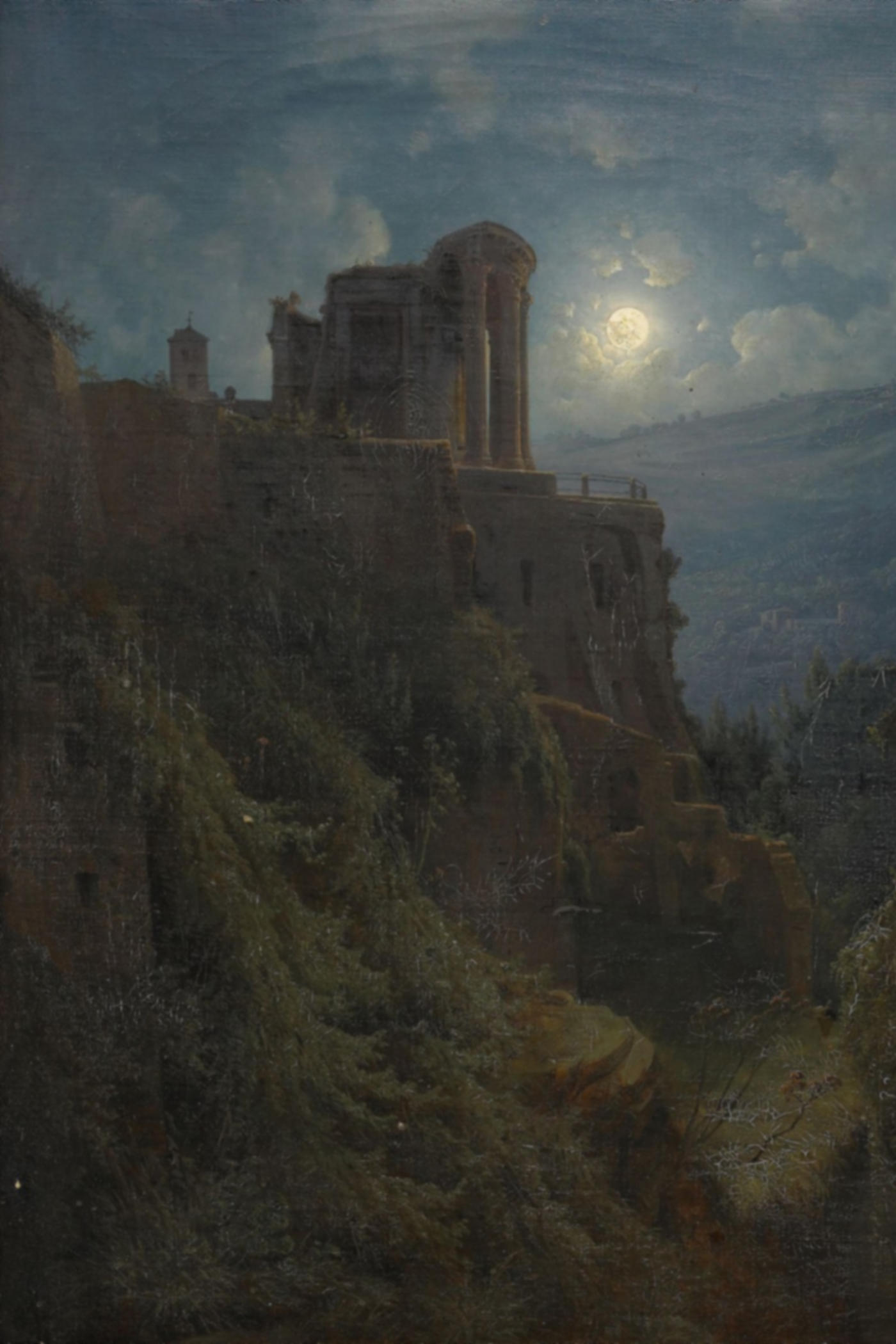
Dracula
What is Dracula about?
Dracula (1897) by Bram Stoker is one of the most influential horror novels in Western literature. Through letters, diary entries, and newspaper clippings, the novel tells the story of Count Dracula’s attempt to move from Transylvania to England and the group determined to stop him. The novel established many of the conventions of modern vampire fiction, including themes of immortality, forbidden desire, and the clash between superstition and emerging science. As a public domain work, Dracula remains widely read and studied for its literary innovation, cultural impact, and enduring atmosphere of suspense and dread.
Main themes in Dracula
Vampirism and immortality
The presence of vampirism and immortality in Dracula connects readers to its enduring relevance.
Victorian sexuality
The theme of victorian sexuality weaves through Dracula, adding depth to its narrative.
Foreign invasion
In Dracula, foreign invasion provides a lens for understanding the story's core message.
Science versus superstition
The presence of science versus superstition in Dracula connects readers to its enduring relevance.
Why Dracula is still relevant today
Dracula is the foundation of modern vampire fiction, its Count becoming the archetype for all subsequent vampires. The novel's epistolary structure—journals, letters, newspaper clippings—creates mounting dread as the vampire invades Victorian England. Its themes of sexuality, disease, and the primitive threatening civilization remain compelling.
Frequently Asked Questions
What is Dracula about?
English solicitor Jonathan Harker visits Count Dracula's Transylvanian castle on business and barely escapes. Dracula travels to England seeking new victims, including Harker's fiancée Mina. Professor Van Helsing leads a group to destroy the vampire before he spreads his curse.
Is Dracula difficult to read?
The Victorian prose style may feel formal, and the epistolary format (letters, diaries) requires attention. But the story is compelling, and most readers find it surprisingly readable once adjusted to the style.
How is Dracula different from vampire movies?
The novel's Dracula is less romantic than film versions—more predatory and repulsive. The Count barely appears in the middle section. The heroes use garlic, crucifixes, and holy wafers extensively. Many adaptations simplify the complex plot.
What makes Dracula important?
Dracula defined vampire mythology for all subsequent fiction: the Count's powers, weaknesses, and aristocratic menace became standard. The novel launched a genre that includes Twilight, True Blood, and countless others. It remains the source.
Is Dracula scary?
Yes, though the horror is atmospheric rather than graphic. The mounting dread as Dracula closes in, the descriptions of vampiric corruption, and the violation of domestic safety create genuine unease. It remains effective horror.