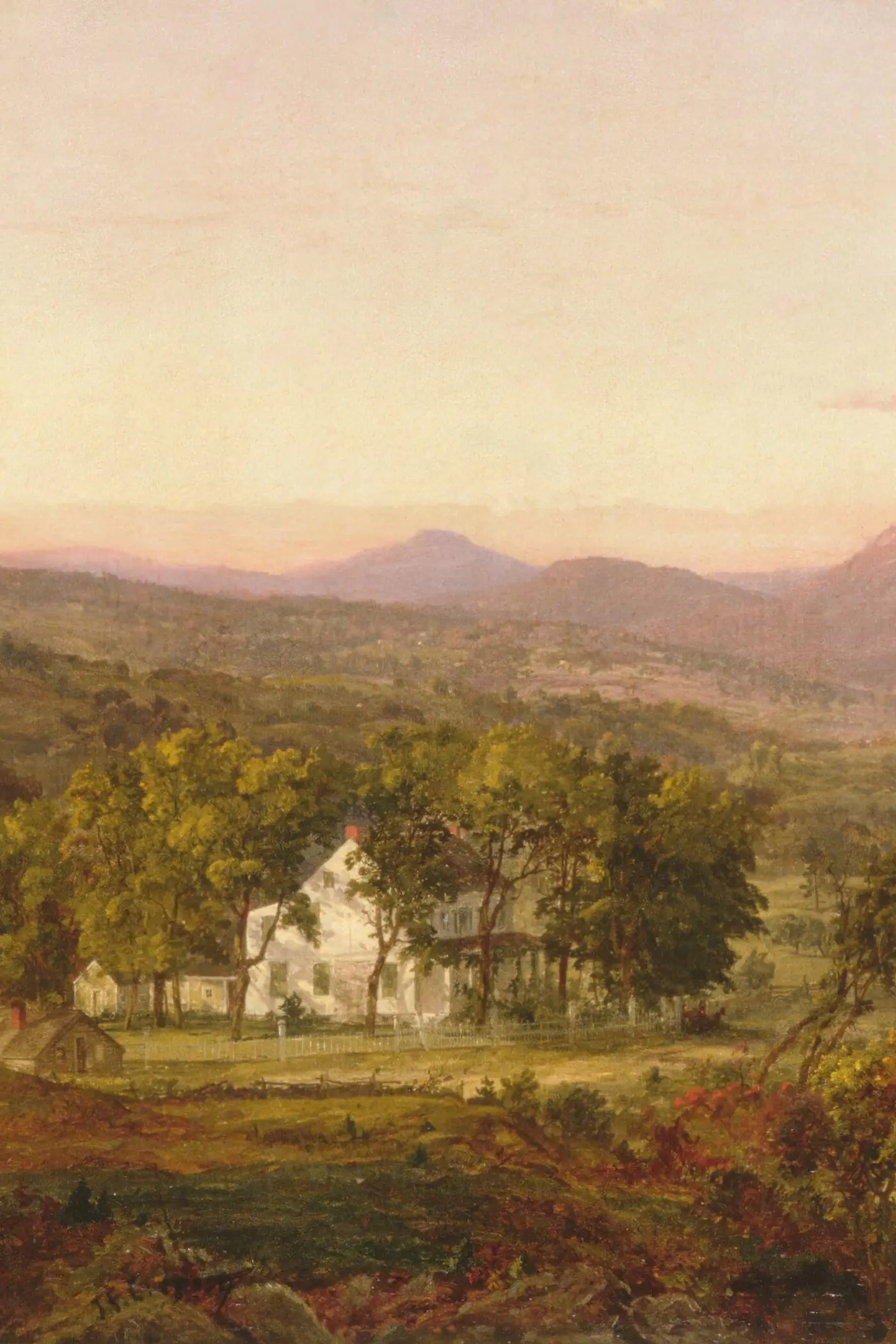
Early Autumn
What is Early Autumn about?
Early Autumn (1926) is Louis Bromfield’s Pulitzer Prize-winning novel set in the declining world of a once-prominent New England family. The story centers on Olivia Doolittle, trapped in a loveless marriage to Anson Neville, a man consumed by family tradition and social propriety. When the passionate and unconventional Doolittle cousin, Sabine, returns from years abroad, her presence disrupts the carefully maintained facades of the Neville household. Olivia must choose between the security of her suffocating existence and the possibility of authentic feeling. Set against the autumn landscape of a fading aristocratic estate, the novel examines how inherited wealth and social position can become prisons, how duty conflicts with desire, and how one generation’s values can stifle the next. Bromfield’s prose captures the atmosphere of genteel decay with precision, drawing comparisons to Edith Wharton’s explorations of American high society.
Main themes in Early Autumn
Social Class and Decline
The theme of social class and decline weaves through Early Autumn, adding depth to its narrative.
Marriage and Duty
Marriage and Duty emerges as a defining element in Early Autumn, shaping character development.
New England Society
The theme of new england society weaves through Early Autumn, adding depth to its narrative.
Women and Independence
In Early Autumn, women and independence provides a lens for understanding the story's core message.
Why Early Autumn is still relevant today
Early Autumn’s examination of social privilege, emotional repression, and women’s limited choices resonates with contemporary discussions about gender roles and inherited privilege. The novel’s portrait of a family clinging to outdated traditions while the world changes around them remains a powerful commentary on resistance to social progress.
Frequently Asked Questions
What is Early Autumn about?
Early Autumn follows Olivia Doolittle, trapped in a loveless marriage within a declining New England aristocratic family. When a free-spirited cousin returns, Olivia must confront whether to break free from suffocating tradition. Read it free on TextStack.
Why did Early Autumn win the Pulitzer Prize?
The novel won the 1927 Pulitzer Prize for its incisive portrayal of American social class, the decay of old-money families, and its nuanced exploration of a woman’s struggle for autonomy within restrictive social conventions.
Is Early Autumn difficult to read?
The prose is elegant but accessible, comparable to Edith Wharton’s style. Readers who enjoy character-driven social novels will find it engaging and relatively easy to follow.
How does Early Autumn compare to other Pulitzer winners?
Like other early Pulitzer winners, it focuses on American social dynamics and moral complexity. Its themes of class decline and female agency connect it to works by Wharton and Henry James.