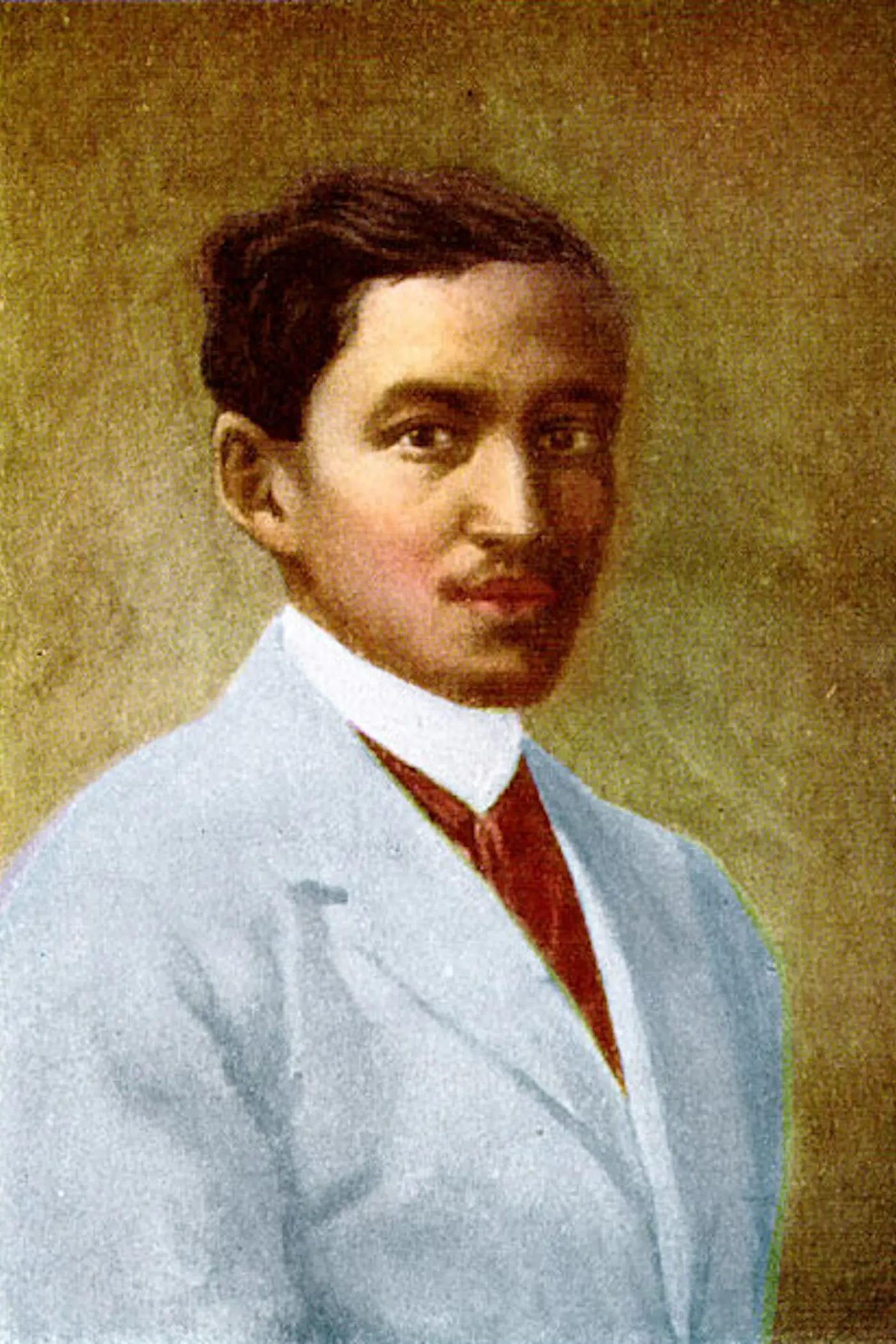
El Filibusterismo
What is El Filibusterismo about?
El Filibusterismo (1891) is José Rizal’s second and final novel, a darker sequel to Noli Me Tangere. Simoun, the disguised Crisostomo Ibarra from the first novel, returns to the Philippines as a wealthy jeweler plotting violent revolution against Spanish colonial rule. The novel depicts the deepening corruption of the colonial system, the suffering of Filipinos, and the moral dilemma of revolution versus reform. Darker and more politically radical than its predecessor, El Filibusterismo was dedicated to the three Filipino priests executed by Spain in 1872 and helped galvanize the Philippine independence movement.
Main themes in El Filibusterismo
Anti-colonial fiction
El Filibusterismo thoughtfully explores anti-colonial fiction through its central conflicts.
Philippine revolution
El Filibusterismo thoughtfully explores philippine revolution through its central conflicts.
Spanish oppression
In El Filibusterismo, spanish oppression provides a lens for understanding the story's core message.
Revolution vs reform
The theme of revolution vs reform weaves through El Filibusterismo, adding depth to its narrative.
Why El Filibusterismo is still relevant today
El Filibusterismo is the second foundational text of Philippine literature. Its exploration of whether oppression justifies revolution remains a powerful question for colonized peoples worldwide.
More by this author
Frequently Asked Questions
What is El Filibusterismo about?
The sequel to Noli Me Tangere follows a disguised revolutionary plotting against Spanish colonial rule, exploring the moral dilemma of violent revolution vs. peaceful reform.
Do I need to read Noli Me Tangere first?
Yes, it is a direct sequel. Reading Noli Me Tangere first is essential for understanding the characters and context.
Is it darker than the first novel?
Yes, it is more politically radical and pessimistic about the possibility of peaceful reform.
Can I read it free?
Yes, the complete novel is available free on TextStack.