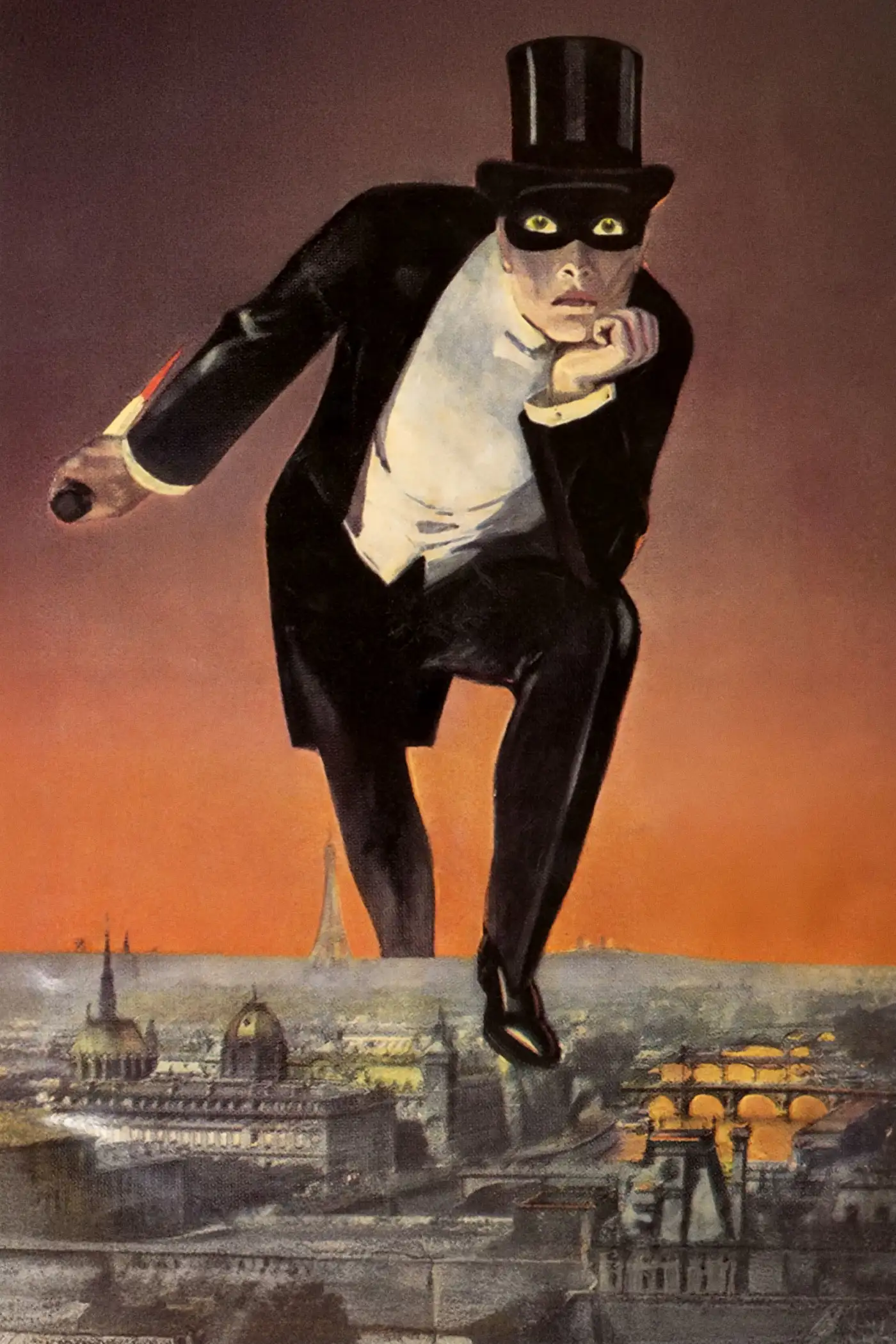
Fantômas
What is Fantômas about?
Fantômas (1911) is the first novel in Pierre Souvestre and Marcel Allain’s legendary crime series, introducing one of the most terrifying and influential villains in popular fiction. Fantômas is the "Master of Crime"—a genius of disguise, a ruthless killer, and an elusive phantom who seems to be everywhere and nowhere. When the wealthy Marquise de Langrune is murdered, Inspector Juve and journalist Jérôme Fandor begin to suspect that the crime is connected to the mysterious Fantômas, a figure so elusive that some doubt he even exists. The investigation plunges them into a world of false identities, elaborate schemes, and sudden violence as Fantômas stays always one step ahead. Written at extraordinary speed, the novel has the breathless energy of pure pulp storytelling, with plot twists piling upon plot twists. Fantômas became a cultural phenomenon—inspiring Louis Feuillade’s classic film serials and earning the passionate admiration of the Surrealists, who saw in the character an embodiment of anarchic, irrational liberation.
Main themes in Fantômas
Criminal Mastermind
The presence of criminal mastermind in Fantômas connects readers to its enduring relevance.
Parisian Crime
The presence of parisian crime in Fantômas connects readers to its enduring relevance.
Disguise and Deception
Disguise and Deception emerges as a defining element in Fantômas, shaping character development.
Pulp Fiction
Fantômas thoughtfully explores pulp fiction through its central conflicts.
Why Fantômas is still relevant today
Fantômas established the template for the criminal mastermind in popular fiction and influenced everything from superhero villains to the Surrealist movement. Its breathless pulp energy and iconic antagonist make it a foundational text of modern crime fiction.
Frequently Asked Questions
What is Fantômas about?
A master criminal of unlimited disguise terrorizes Paris while an inspector and journalist desperately try to prove he exists and bring him to justice. Read it free on TextStack.
Is Fantômas the original supervillain?
Arguably yes. Fantômas predates most fictional criminal masterminds and directly influenced the archetype that appears in everything from Bond villains to comic book antagonists.
Is Fantômas difficult to read?
It’s fast-paced pulp fiction designed to thrill—short chapters, constant plot twists, and relentless action. Perfect for readers who enjoy page-turning crime fiction.
Why did the Surrealists admire Fantômas?
They saw the character as an embodiment of anarchic freedom and irrational terror that subverted bourgeois order—qualities the Surrealists celebrated in their own art and philosophy.