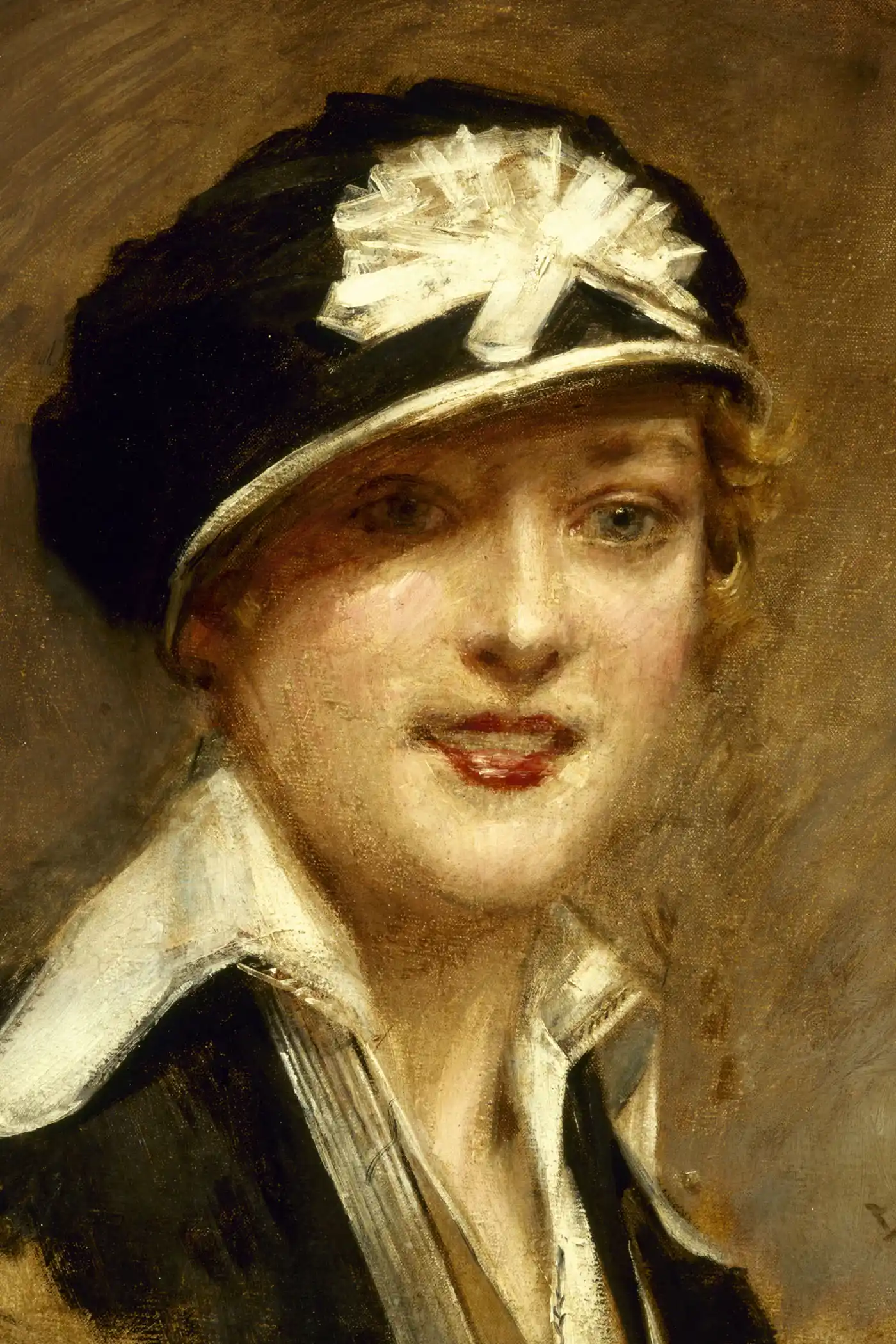
Gentlemen Prefer Blondes
What is Gentlemen Prefer Blondes about?
Gentlemen Prefer Blondes (1925) is Anita Loos's razor-sharp satirical novel, presented as the diary of Lorelei Lee, a shrewd and hilariously mercenary young woman from Little Rock, Arkansas, who uses her charm and beauty to extract diamonds and luxury from wealthy men across America and Europe. Written with a brilliantly deployed faux-naïve voice, the novel skewers Jazz Age materialism, gender dynamics, and the pretensions of both old money and new. Originally serialized in Harper's Bazaar, it became an international bestseller and was adapted into a Broadway musical and the famous 1953 film starring Marilyn Monroe.
Main themes in Gentlemen Prefer Blondes
Jazz Age Satire
Gentlemen Prefer Blondes thoughtfully explores jazz age satire through its central conflicts.
Gold Digger Narrative
In Gentlemen Prefer Blondes, gold digger narrative provides a lens for understanding the story's core message.
Gender and Power
In Gentlemen Prefer Blondes, gender and power provides a lens for understanding the story's core message.
American Materialism
The theme of american materialism weaves through Gentlemen Prefer Blondes, adding depth to its narrative.
Why Gentlemen Prefer Blondes is still relevant today
Gentlemen Prefer Blondes remains one of the sharpest satires of American materialism and gender politics ever written. Its influence extends from screwball comedy to contemporary feminist humor.
Frequently Asked Questions
What is Gentlemen Prefer Blondes about?
It's the satirical diary of Lorelei Lee, a shrewd young woman who charms wealthy men out of diamonds and luxury across Jazz Age America and Europe.
Is the book different from the Marilyn Monroe movie?
Yes, the 1925 novel is sharper and more satirical than the 1953 film, though both follow Lorelei's comic adventures. Read the original free on TextStack.
Is Gentlemen Prefer Blondes a feminist novel?
It can be read that way—Lorelei manipulates patriarchal systems to her advantage, and Loos's satire targets male vanity as much as female ambition.