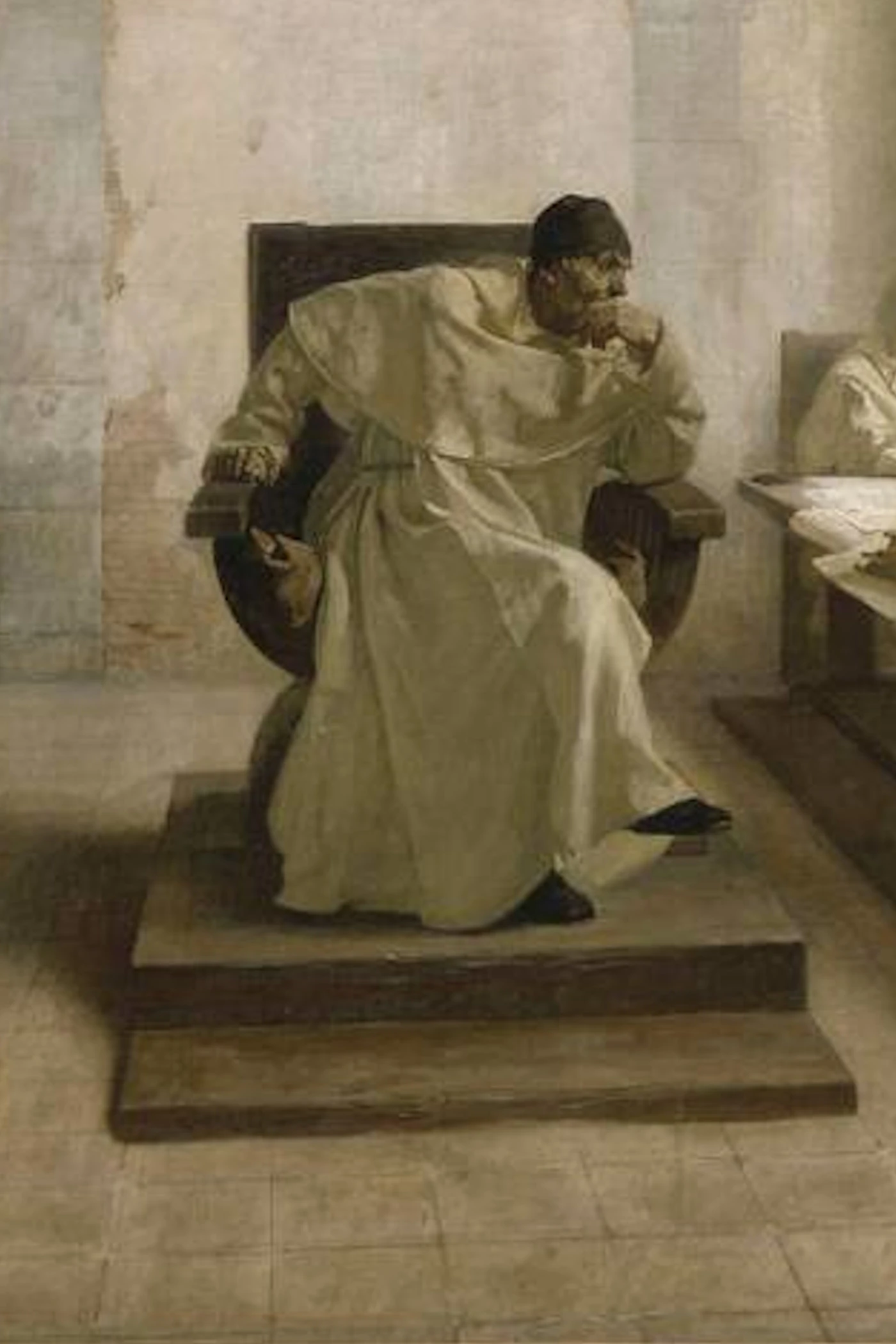
Hadrian the Seventh
What is Hadrian the Seventh about?
Hadrian the Seventh (1904) is Frederick Rolfe's extraordinary autobiographical fantasy. George Arthur Rose—a transparent stand-in for Rolfe himself—is a failed candidate for the Catholic priesthood, living in poverty and bitterness, when the Church unexpectedly summons him, ordains him, and elects him Pope. As Hadrian VII, Rose/Rolfe proceeds to reform the Church and the world according to his own idiosyncratic vision. The novel is simultaneously a brilliant papal fantasy, a score-settling exercise against everyone who wronged Rolfe, and a genuinely moving portrayal of a difficult man's deepest desires. Nothing else in English literature quite resembles it.
Main themes in Hadrian the Seventh
Papal Fantasy
The theme of papal fantasy weaves through Hadrian the Seventh, adding depth to its narrative.
Wish Fulfillment
The theme of wish fulfillment weaves through Hadrian the Seventh, adding depth to its narrative.
Catholic Church
In Hadrian the Seventh, catholic church provides a lens for understanding the story's core message.
Autobiographical Novel
Hadrian the Seventh thoughtfully explores autobiographical novel through its central conflicts.
Why Hadrian the Seventh is still relevant today
Hadrian the Seventh is one of the most unique novels in English—a papal wish-fulfillment fantasy that is absurd, moving, and utterly original.
Frequently Asked Questions
What is Hadrian the Seventh about?
A bitter, failed priest is unexpectedly elected Pope and proceeds to reform the Church and settle scores with his enemies.
Is this novel serious or satirical?
Both—it is simultaneously absurd wish-fulfillment and a genuinely moving portrait of unfulfilled vocation.
Where can I read Hadrian the Seventh online?
You can read it free on TextStack.