Home to Harlem
What is Home to Harlem about?
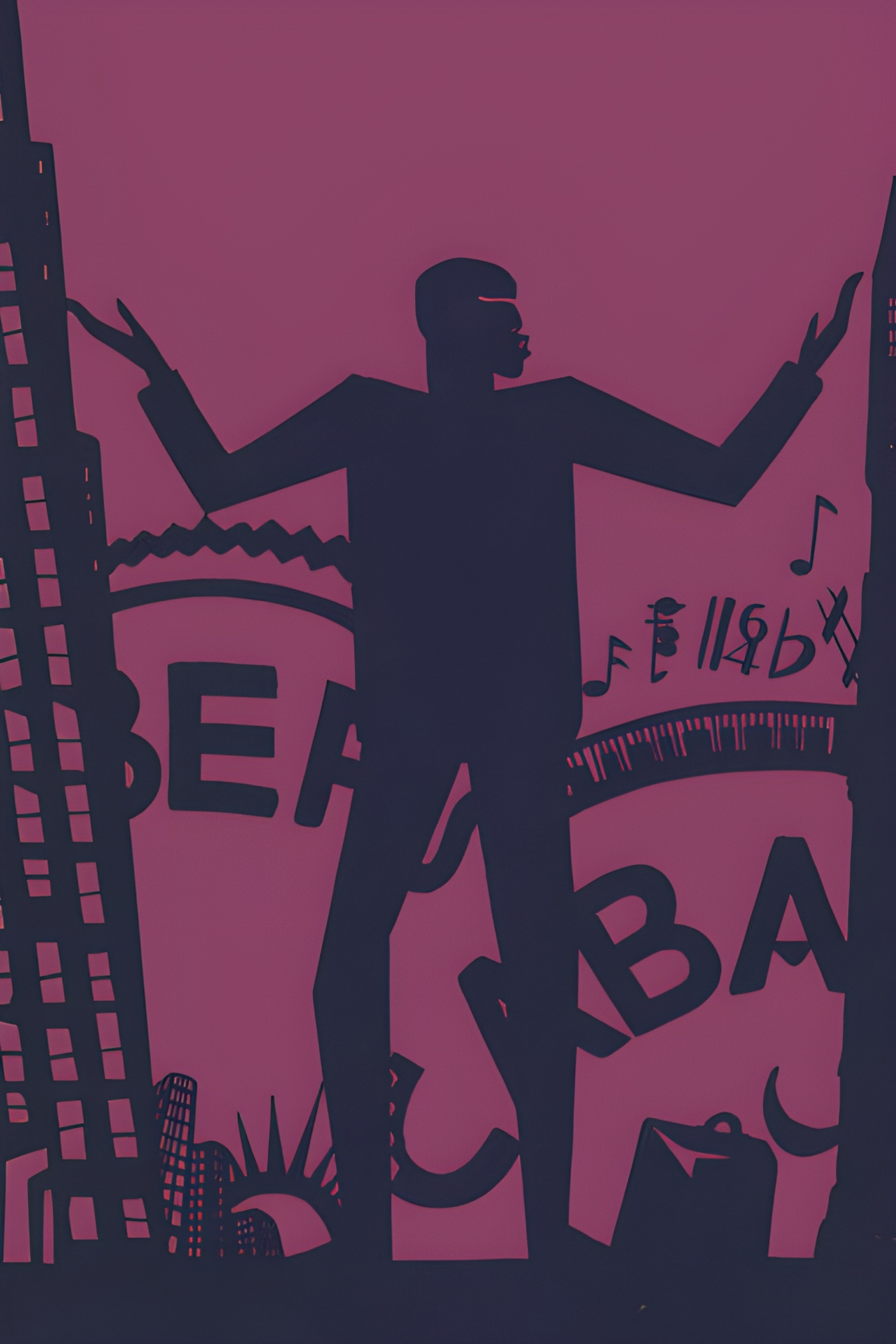
Home to Harlem (1928), Claude McKay's debut novel, follows Jake Brown, a Black American laborer who deserts the U.S. Army in France rather than serve in a segregated military and returns to Harlem, New York. There he immerses himself in the neighborhood's jazz clubs, cabarets, and working-class street life, searching for a woman named Felice whom he met before shipping out. His journey intersects with Ray, a Haitian intellectual working as a railroad porter, whose bookish temperament and sense of exile contrast sharply with Jake's instinct-driven freedom. The novel is a landmark of the Harlem Renaissance, notable for its frank, sensory depiction of African American urban life—the music, food, slang, and sexuality of 1920s Harlem—at a time when many Black intellectuals preferred to emphasize respectability. McKay, himself a Jamaican immigrant, wrote with an insider-outsider perspective that gave the narrative both authenticity and critical distance. The book became the first novel by a Black author to reach the bestseller list in the United States, though it drew criticism from W.E.B. Du Bois, who objected to its portrayal of working-class Black life. Its literary significance lies in its assertion that Black culture and identity need not be filtered through the expectations of white audiences or Black elites.
Main themes in Home to Harlem
Racial identity and self-determination
Racial identity and self-determination emerges as a defining element in Home to Harlem, shaping character development.
Working-class Black urban life
Working-class Black urban life emerges as a defining element in Home to Harlem, shaping character development.
Intellectual exile and belonging
Intellectual exile and belonging emerges as a defining element in Home to Harlem, shaping character development.
Freedom and desertion
The theme of freedom and desertion weaves through Home to Harlem, adding depth to its narrative.
Why Home to Harlem is still relevant today
Home to Harlem speaks directly to ongoing conversations about authenticity, respectability politics, and who gets to define Black cultural identity. The tension between Jake's joyful immersion in street culture and Ray's alienated intellectualism maps onto debates that persist in communities negotiating assimilation, artistic expression, and political strategy. The novel also documents the Great Migration era, when millions of Black Americans moved from the rural South and the Caribbean to Northern cities, reshaping urban culture across the United States. Its portrait of Harlem as a destination—a place of relative freedom and self-determination—remains historically instructive. For readers interested in jazz history, African American literature, or the social dynamics of early twentieth-century cities, Home to Harlem offers a ground-level account unavailable in most historical records. The full text is available to read free on TextStack.
Frequently Asked Questions
What is Home to Harlem about?
Home to Harlem follows Jake Brown, a Black American who deserts the U.S. Army during World War I and returns to Harlem, New York. The novel traces his search for a woman named Felice amid the jazz clubs and working-class neighborhoods of 1920s Harlem, alongside his friendship with Ray, a Haitian intellectual working as a railroad porter. It is Claude McKay's debut novel, published in 1928.
Is Home to Harlem difficult to read?
The novel is written in accessible prose, though it includes Harlem slang and dialect of the 1920s that may require some adjustment. Its episodic structure and vivid sensory descriptions make it engaging for general readers. Some passages reflect the social attitudes and language of its era, which readers should approach with historical context in mind.
How long does it take to read Home to Harlem?
Home to Harlem is approximately 60,000 words in length, which most adult readers complete in four to six hours. The full text is available to read free on TextStack, with reading progress saved automatically so you can continue where you left off.
What are the main themes in Home to Harlem?
The novel's central themes include racial identity and self-determination, the tension between working-class Black culture and Black intellectualism, the experience of immigration and exile, freedom as resistance to institutional racism, and the cultural vitality of Harlem during the Renaissance period. The contrast between Jake and Ray embodies many of these tensions directly.