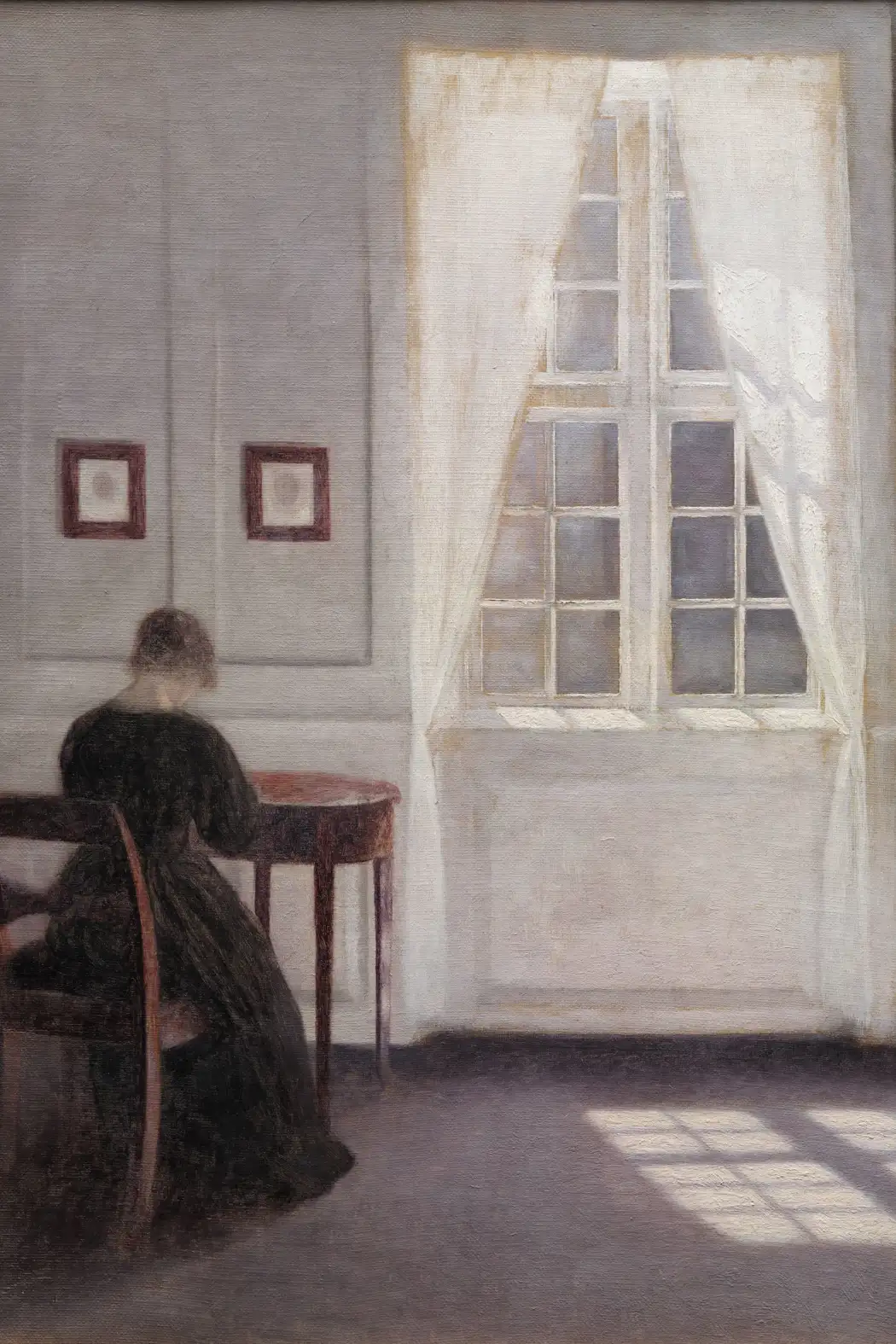
Honeycomb
What is Honeycomb about?
Honeycomb (1917) is the third volume of Dorothy Richardson’s Pilgrimage. Miriam Henderson leaves teaching to become a governess for a wealthy family, entering a world of dinner parties, social conventions, and upper-class domesticity. The title evokes both the intricate structure of social life and the sweetness Miriam finds in her expanding awareness. Through Richardson’s stream-of-consciousness prose, readers experience Miriam’s growing disillusionment with the roles available to women and her deepening hunger for intellectual and artistic fulfillment.
Main themes in Honeycomb
Social class
Social class emerges as a defining element in Honeycomb, shaping character development.
Domestic life
The presence of domestic life in Honeycomb connects readers to its enduring relevance.
Women's roles
The theme of women's roles weaves through Honeycomb, adding depth to its narrative.
Disillusionment
The theme of disillusionment weaves through Honeycomb, adding depth to its narrative.
Why Honeycomb is still relevant today
Honeycomb offers a vivid portrait of Edwardian class dynamics through a woman’s perceptive inner eye. Its feminist themes and narrative innovation continue to attract scholarly attention. Read it free online on TextStack.
More by this author
Frequently Asked Questions
What is Honeycomb about?
Honeycomb follows Miriam Henderson as she works as a governess for a wealthy family, experiencing upper-class social life while growing increasingly disillusioned with the limited roles available to women.
Why is it called Honeycomb?
The title suggests both the intricate social structures Miriam navigates and the sensory richness she discovers in her expanding consciousness.
Where can I read Honeycomb online?
You can read Honeycomb by Dorothy Richardson free online on TextStack.