Hunger
What is Hunger about?
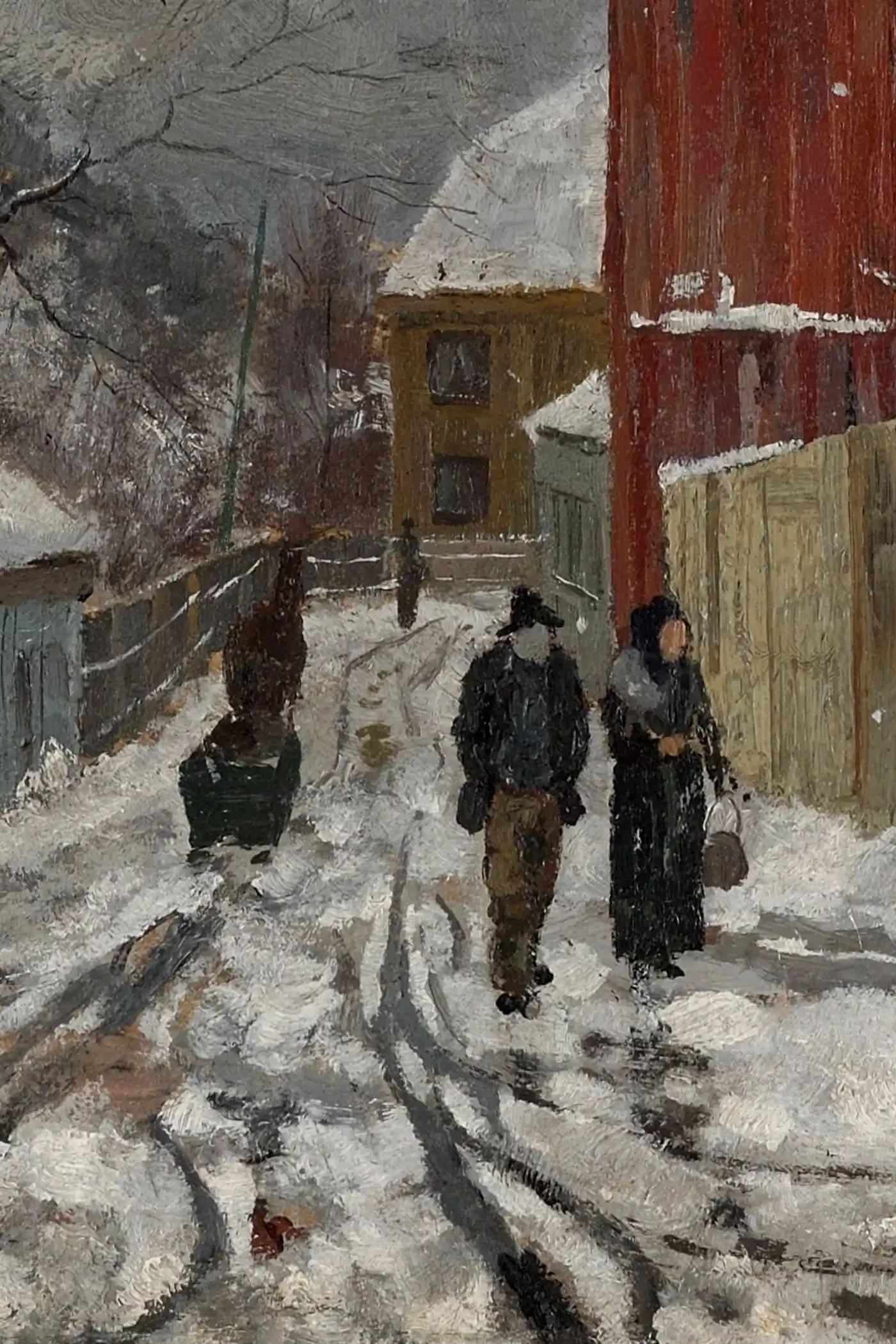
Hunger (1890) is Knut Hamsun’s groundbreaking debut novel, a harrowing first-person account of an unnamed young writer starving in Kristiania (now Oslo). The narrator wanders the city in a state of delirium brought on by starvation, experiencing wild mood swings, hallucinations, and moments of creative ecstasy between bouts of desperate hunger. The novel pioneered stream-of-consciousness technique, mapping the irrational movements of a mind under extreme physical stress. It influenced virtually every major modernist writer and remains one of the most powerful depictions of poverty and artistic desperation in literature.
Main themes in Hunger
Stream of consciousness
In Hunger, stream of consciousness provides a lens for understanding the story's core message.
Hunger and poverty
Hunger thoughtfully explores hunger and poverty through its central conflicts.
Psychological fiction
Hunger thoughtfully explores psychological fiction through its central conflicts.
Oslo
The theme of oslo weaves through Hunger, adding depth to its narrative.
Why Hunger is still relevant today
Hunger pioneered stream of consciousness and psychological fiction decades before Joyce and Woolf. It is considered a foundational text of literary modernism.
More by this author
Frequently Asked Questions
What is Hunger about?
An unnamed young writer starves in Kristiania (Oslo), experiencing delirium, hallucinations, and creative ecstasy in this pioneering psychological novel.
Why is it considered groundbreaking?
It pioneered stream-of-consciousness technique decades before Joyce and Woolf, mapping the irrational movements of a mind under physical stress.
Who did it influence?
Kafka, Hemingway, Hesse, Singer, Bukowski, and virtually every major modernist writer.
Can I read it free online?
Yes, the complete novel is available free on TextStack.