In Search of Lost Time
What is In Search of Lost Time about?
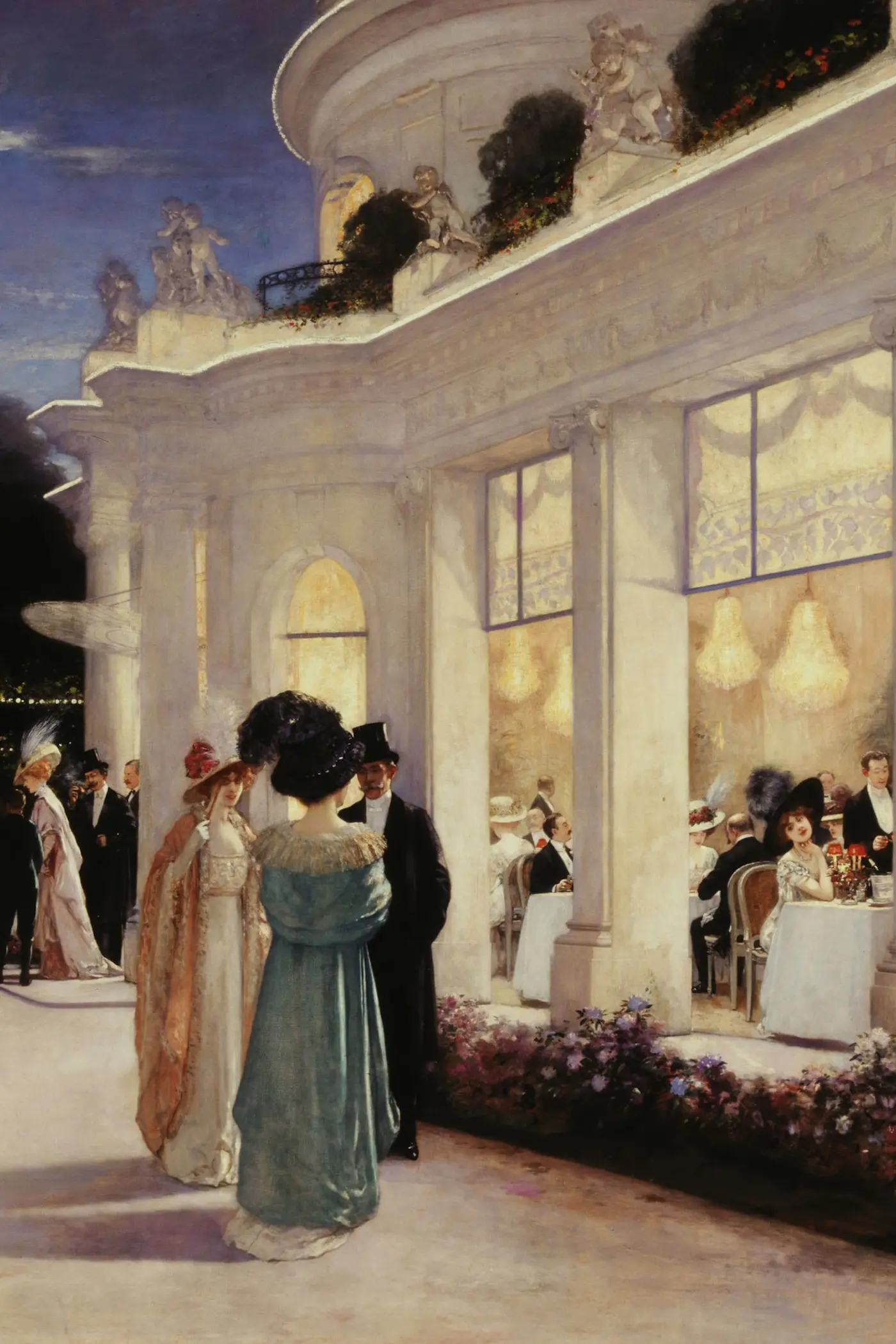
In Search of Lost Time (À la recherche du temps perdu, 1913–1927) is Marcel Proust’s seven-volume masterpiece, widely regarded as one of the greatest novels in world literature. The work follows an unnamed narrator as he recollects his life from childhood in Combray through his immersion in the aristocratic salons of Belle Époque Paris, his tortured love affairs, and his eventual discovery that art alone can redeem lost time. The novel’s vast canvas encompasses hundreds of characters, exploring themes of memory, desire, jealousy, social ambition, homosexuality, the Dreyfus Affair, and the transformative power of art. Proust’s prose style is unlike anything else in literature: enormously long sentences that pursue a thought through multiple subordinate clauses, capturing the fluid movement of consciousness with unprecedented precision. The famous madeleine episode early in the first volume established involuntary memory as a central literary and philosophical concept. Each volume—from Swann’s Way through Time Regained—builds toward the narrator’s revelation that writing itself can preserve what time destroys.
Main themes in In Search of Lost Time
Memory and Involuntary Recall
The theme of memory and involuntary recall weaves through In Search of Lost Time, adding depth to its narrative.
Time and Loss
Time and Loss emerges as a defining element in In Search of Lost Time, shaping character development.
French Society
The theme of french society weaves through In Search of Lost Time, adding depth to its narrative.
Love and Jealousy
The theme of love and jealousy weaves through In Search of Lost Time, adding depth to its narrative.
Why In Search of Lost Time is still relevant today
In Search of Lost Time remains the supreme literary exploration of memory and consciousness. Its influence on modern fiction, psychology, and philosophy of mind is immeasurable. Neuroscientists frequently reference Proust when discussing involuntary memory, and contemporary novelists continue to reckon with his achievement.
Frequently Asked Questions
What is In Search of Lost Time about?
Proust’s seven-volume novel follows a narrator recollecting his life in French society, exploring how memory, love, and art give meaning to existence as time passes. Read it free on TextStack.
Is In Search of Lost Time difficult to read?
Proust’s long sentences and slow pace require patience, but his writing rewards close attention with extraordinary psychological insight and passages of great beauty. Many readers find it addictive once adjusted to the rhythm.
How long is In Search of Lost Time?
The complete work spans approximately 1.5 million words across seven volumes, making it one of the longest novels ever written. Many readers approach it one volume at a time.
Where should I start with Proust?
Begin with the first volume, Swann’s Way, which contains the famous madeleine episode and establishes the novel’s themes and style. You can read it free on TextStack.