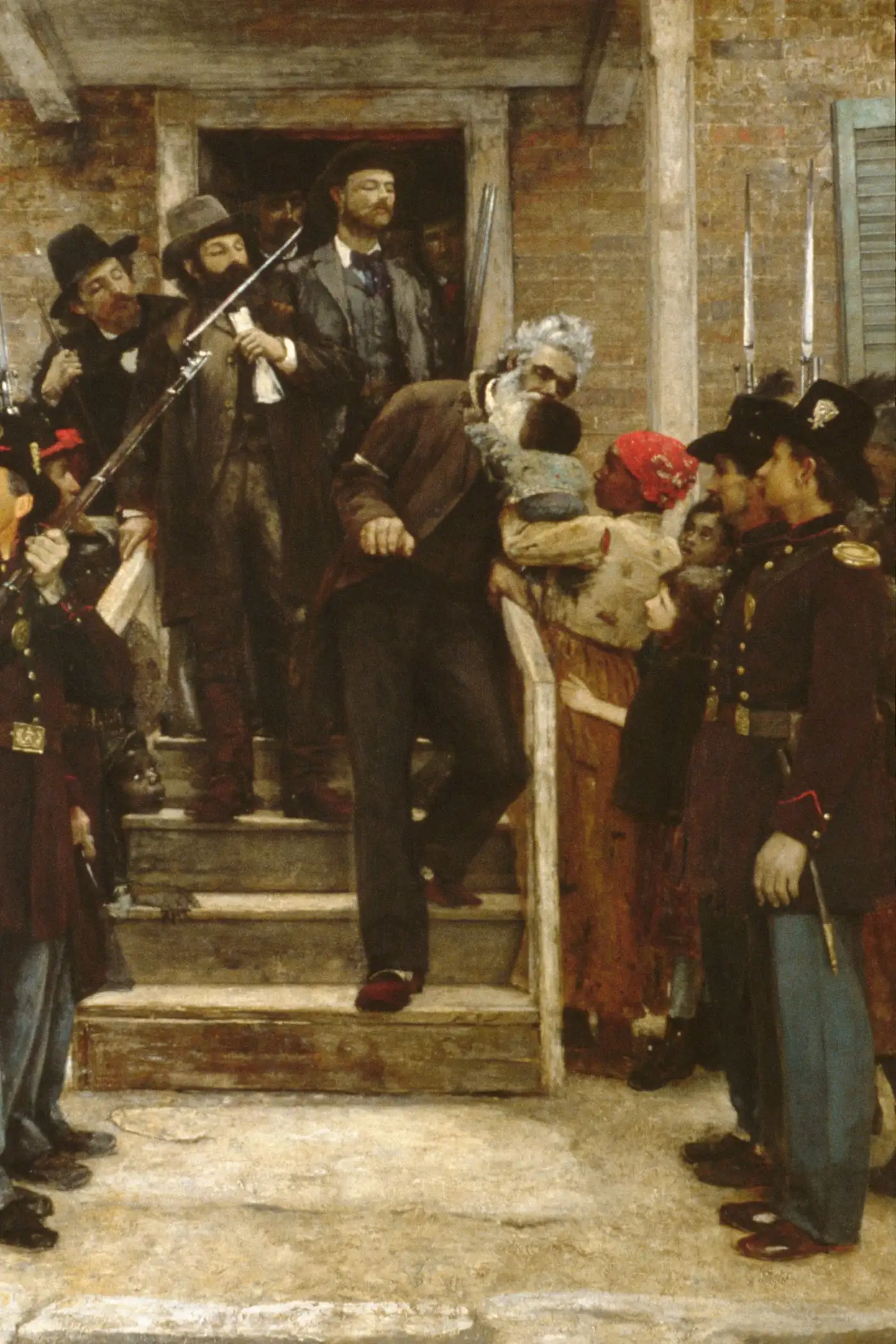
John Brown’s Body
What is John Brown’s Body about?
John Brown’s Body (1928) is Stephen Vincent Benét’s Pulitzer Prize-winning epic poem about the American Civil War. In over fifteen thousand lines of varied verse—blank verse, ballad stanzas, prose interludes, and lyric passages—Benét tells the story of the war from John Brown’s raid on Harpers Ferry to the aftermath of Appomattox. The poem follows multiple characters on both sides of the conflict: soldiers, slaves, politicians, and civilians, weaving their stories into a panoramic vision of the war’s meaning for America. It is one of the most ambitious and successful narrative poems in American literature.
Main themes in John Brown’s Body
American Civil War
John Brown’s Body thoughtfully explores american civil war through its central conflicts.
Epic poetry
The theme of epic poetry weaves through John Brown’s Body, adding depth to its narrative.
American identity
The presence of american identity in John Brown’s Body connects readers to its enduring relevance.
Slavery and freedom
The presence of slavery and freedom in John Brown’s Body connects readers to its enduring relevance.
Why John Brown’s Body is still relevant today
John Brown’s Body remains the definitive poetic treatment of the American Civil War. Its sweep, humanity, and technical virtuosity make it essential for anyone interested in American history and literature.
Frequently Asked Questions
What is John Brown’s Body about?
An epic poem spanning the entire American Civil War, following multiple characters on both sides from Harpers Ferry to Appomattox.
Did John Brown’s Body win the Pulitzer?
Yes, it won the Pulitzer Prize for Poetry in 1929.
Is John Brown’s Body difficult to read?
Benét uses varied verse forms that keep the poem accessible and engaging. No specialized knowledge of poetry is required.
Where can I read John Brown’s Body free?
You can read the full text free on TextStack.