Just William
What is Just William about?
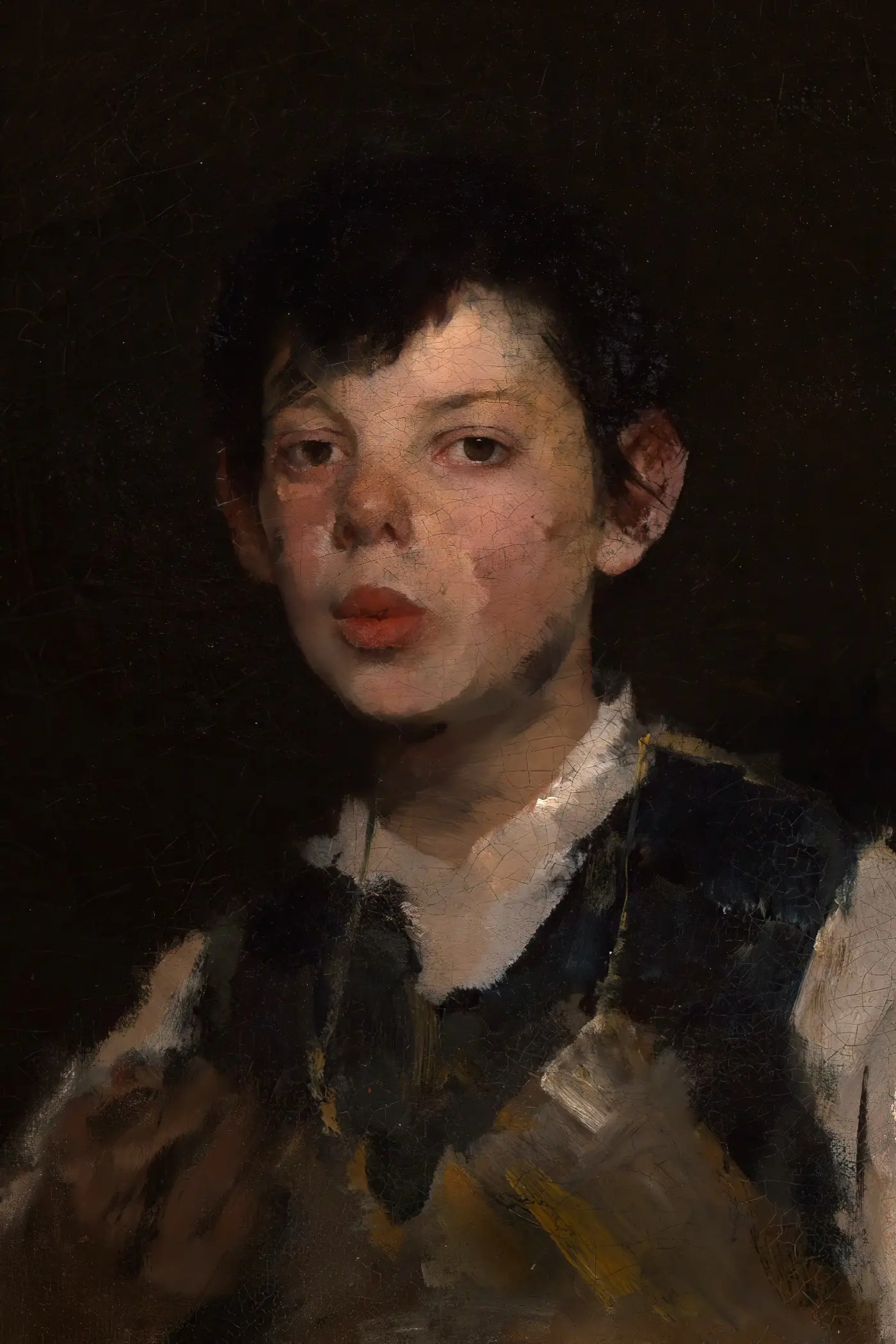
Just William (1922) is the first collection of Richmal Crompton’s beloved stories about William Brown, an irrepressible eleven-year-old English boy whose schemes and misadventures have delighted readers for over a century. William is perpetually grubby, permanently hopeful, and magnificently immune to adult logic. With his gang of Outlaws—Ginger, Henry, and Douglas—he embarks on enterprises that invariably go spectacularly wrong: theatrical productions, business ventures, attempts at heroism, and encounters with bewildered adults. Crompton’s genius lies in the collision between William’s grandiose ambitions and the prosaic reality of English village life, producing comedy that works on multiple levels: children enjoy William’s anarchic energy, while adults appreciate the devastating social satire aimed at middle-class pretension, pomposity, and hypocrisy. The writing is superbly crafted, with precise comic timing and an ear for the absurdity of both childhood and adult behavior.
Main themes in Just William
Comic Childhood
Comic Childhood emerges as a defining element in Just William, shaping character development.
English Village Satire
The theme of english village satire weaves through Just William, adding depth to its narrative.
Anarchic Hero
Anarchic Hero emerges as a defining element in Just William, shaping character development.
Middle-Class Comedy
In Just William, middle-class comedy provides a lens for understanding the story's core message.
Why Just William is still relevant today
Just William’s combination of childhood anarchy, social satire, and superb comic writing has kept it in print for over a century. William Brown remains one of the most beloved characters in English children’s literature.
Frequently Asked Questions
What is Just William about?
The irrepressible William Brown and his gang of Outlaws cause comic havoc in their English village through schemes that invariably go spectacularly wrong. Read it free on TextStack.
Is Just William only for children?
No. While children love William’s anarchy, adults appreciate Crompton’s devastating social satire and superb comic writing. The stories work brilliantly for all ages.
Is Just William difficult to read?
The stories are written in clear, witty prose that is accessible to readers of all ages. Each story is self-contained and perfect for short reading sessions.
Why has Just William lasted so long?
Crompton’s comic genius, her understanding of childhood’s anarchic energy, and her gentle but sharp social satire give the stories a timeless quality that transcends their English village setting.