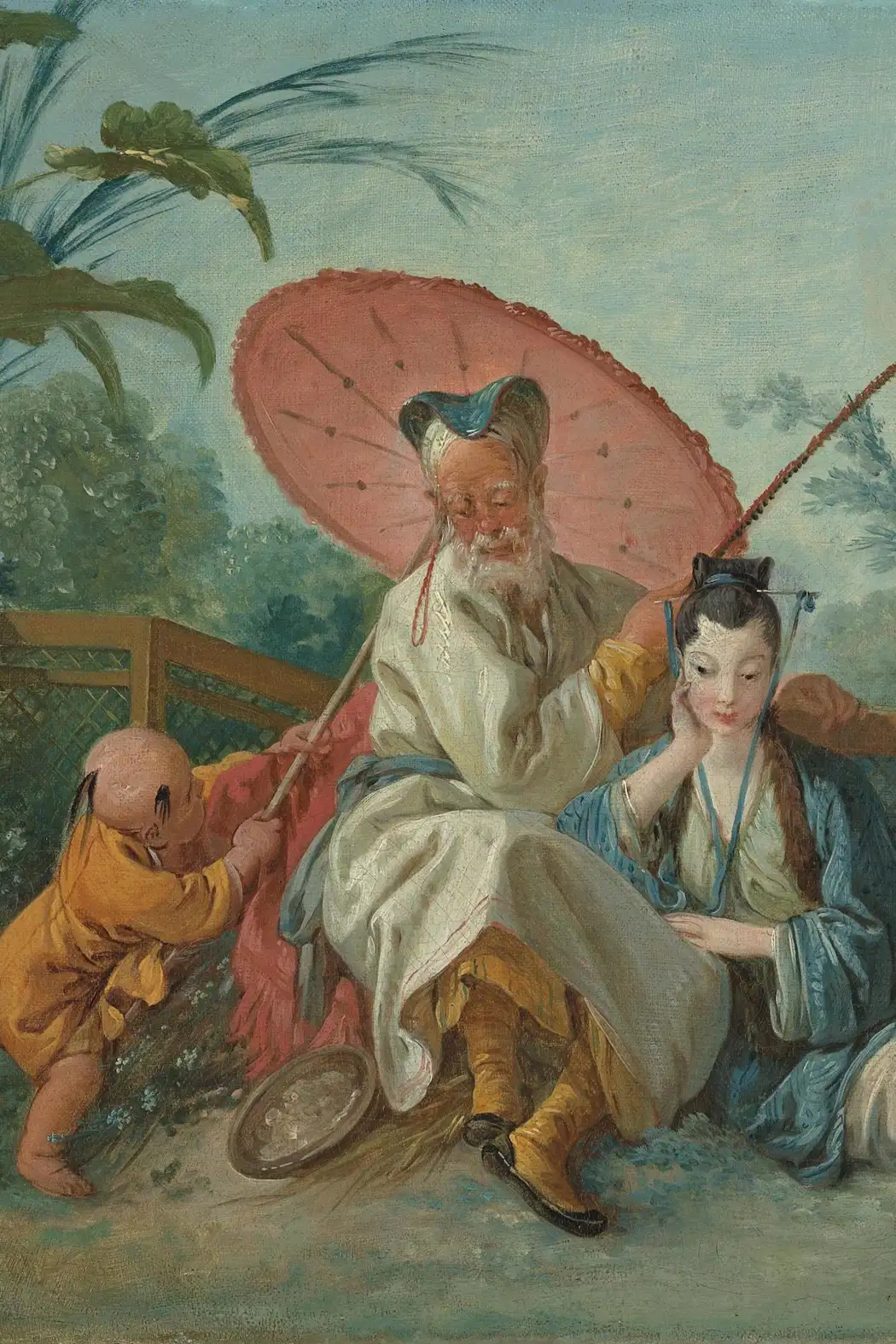
Kai Lung’s Golden Hours
What is Kai Lung’s Golden Hours about?
Kai Lung's Golden Hours (1922) is Ernest Bramah's collection of stories narrated by Kai Lung, a wandering storyteller in an imagined China. Written in an elaborately stylized prose that mimics the conventions of translated Chinese literature, the stories follow Kai Lung as he tells tales to save his life from various threats—using the power of narrative itself as both weapon and shield. Bramah's mock-ornate style is simultaneously a literary parody and a genuine vehicle for wit, philosophical observation, and sly social commentary. The effect is unique in English literature—ornate, funny, and surprisingly profound.
Main themes in Kai Lung’s Golden Hours
Imaginary China
The theme of imaginary china weaves through Kai Lung’s Golden Hours, adding depth to its narrative.
Storytelling as Survival
Kai Lung’s Golden Hours thoughtfully explores storytelling as survival through its central conflicts.
Ornate Parody
Kai Lung’s Golden Hours thoughtfully explores ornate parody through its central conflicts.
Philosophical Tales
In Kai Lung’s Golden Hours, philosophical tales provides a lens for understanding the story's core message.
Why Kai Lung’s Golden Hours is still relevant today
Kai Lung's Golden Hours is unlike anything else in English literature. Its ornate style and philosophical wit make it a hidden gem for readers who appreciate literary playfulness.
Frequently Asked Questions
What is Kai Lung's Golden Hours about?
A wandering Chinese storyteller tells elaborately ornate tales to save his life, blending parody, philosophy, and wit.
Is the style hard to read?
It is deliberately ornate and stylized, which is part of the joke. Once you adjust, it becomes enormously entertaining.
Where can I read Kai Lung's Golden Hours online?
You can read it free on TextStack.