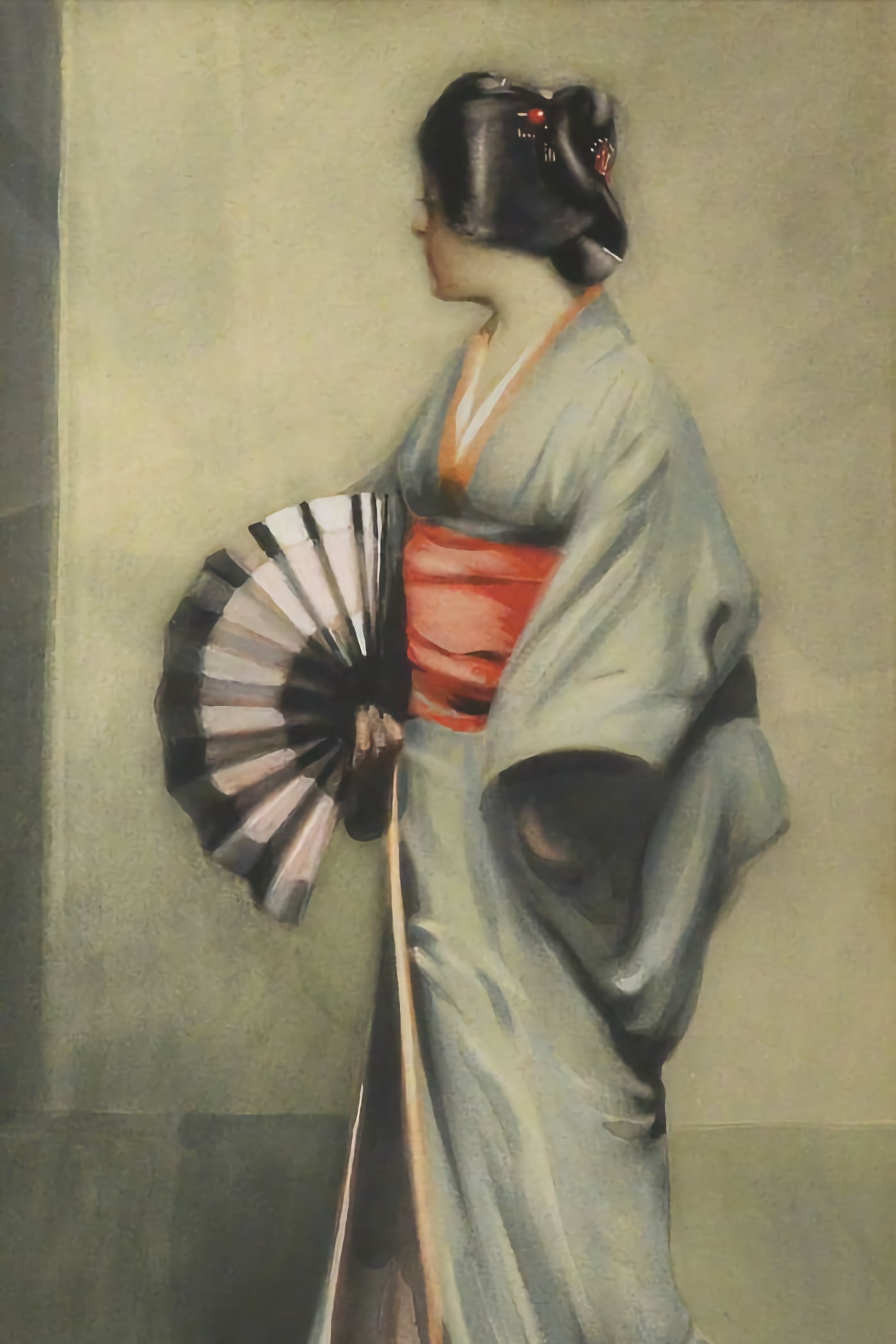
Kusamakura
What is Kusamakura about?
Kusamakura (1906), often translated as The Three-Cornered World or Grass Pillow, is Natsume Sōseki’s most lyrical and unconventional novel. A young painter retreats from Tokyo to a remote mountain hot-spring inn, seeking to view the world through the detached eye of an artist—to achieve what he calls a "non-human" perspective that transcends ordinary emotional entanglement. At the inn he encounters a mysterious and beautiful woman, Nami, whose enigmatic presence challenges his quest for aesthetic detachment. As the painter walks the mountain paths, bathes in hot springs, composes haiku, and reflects on art—Eastern and Western, painting and poetry, music and literature—Sōseki creates a meditation on the relationship between art and life, beauty and suffering, engagement and withdrawal. The novel is less a conventional narrative than a philosophical and aesthetic essay in fictional form, rich with discussions of Shelley, Turner, Lessing, Chinese poetry, and the nature of artistic creation.
Main themes in Kusamakura
Art and Life
The theme of art and life weaves through Kusamakura, adding depth to its narrative.
Aesthetic Detachment
The theme of aesthetic detachment weaves through Kusamakura, adding depth to its narrative.
Japanese Aesthetics
Japanese Aesthetics emerges as a defining element in Kusamakura, shaping character development.
East-West Synthesis
Kusamakura thoughtfully explores east-west synthesis through its central conflicts.
Why Kusamakura is still relevant today
Kusamakura’s meditation on art, beauty, and the possibility of living aesthetically resonates with anyone seeking contemplative alternatives to modern life’s pace and noise. Its synthesis of Eastern and Western aesthetic traditions makes it a unique work of world literature.
Frequently Asked Questions
What is Kusamakura about?
A painter retreats to a mountain inn seeking artistic detachment from the world but finds his contemplative ideal challenged by a mysterious woman and the pull of human connection. Read it free on TextStack.
Is Kusamakura a typical novel?
No. It is more a philosophical meditation on art and beauty in fictional form than a conventional narrative, rich with reflections on poetry, painting, and aesthetics.
Is Kusamakura difficult to read?
The prose is beautiful and contemplative. Readers who enjoy philosophical fiction and discussions of art will find it rewarding, though those seeking plot-driven narrative may find it slow.
How does Kusamakura relate to Sōseki’s other work?
It stands apart from Sōseki’s more psychologically intense novels like Kokoro, representing his most purely aesthetic and philosophical work.