Lavengro
What is Lavengro about?
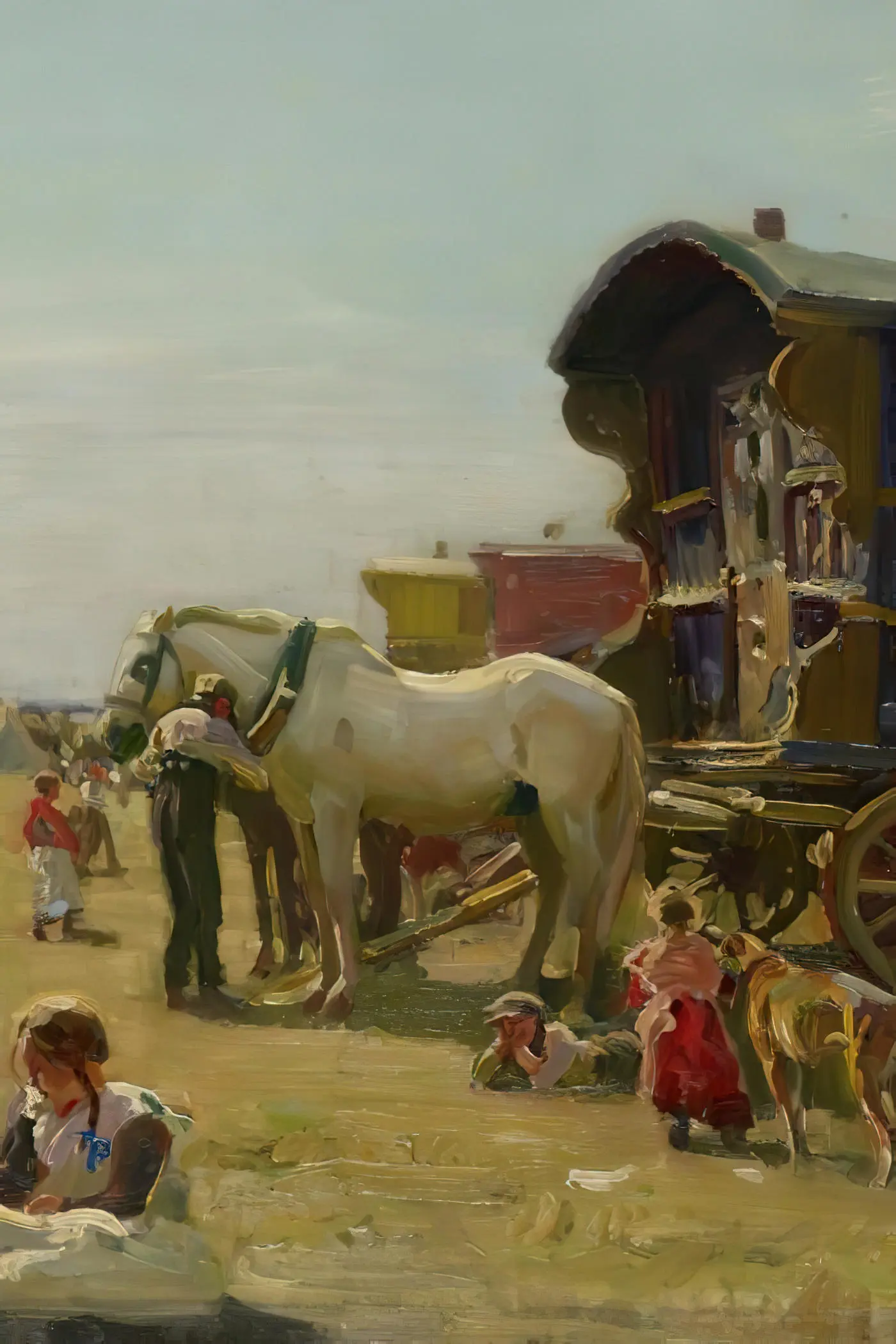
Lavengro (1851) is George Borrow's extraordinary autobiographical novel—part memoir, part picaresque fiction, part celebration of the open road and Romani culture. "Lavengro" means "word-master" in Romani, and the book follows the young Borrow through encounters with Romani people, prize-fighters, traveling tinkers, and eccentric characters across the English countryside. Borrow's narrative blends real experience with fiction in a style that defies easy categorization—it is simultaneously a coming-of-age story, a travel book, a linguistic adventure, and a love letter to the outdoor life and the Romani people. Nothing else in English literature is quite like it.
Main themes in Lavengro
Romani Encounters
Lavengro thoughtfully explores romani encounters through its central conflicts.
English Countryside
Lavengro thoughtfully explores english countryside through its central conflicts.
Picaresque Adventure
Picaresque Adventure emerges as a defining element in Lavengro, shaping character development.
Language Mastery
In Lavengro, language mastery provides a lens for understanding the story's core message.
Why Lavengro is still relevant today
Lavengro is a unique work of English literature—an uncategorizable blend of memoir, fiction, and travel writing that celebrates freedom, language, and the open road.
Frequently Asked Questions
What is Lavengro about?
Borrow's adventures with Romani people, prize-fighters, and eccentric characters across the English countryside—part memoir, part fiction, wholly unique.
What does Lavengro mean?
Word-master in Romani, reflecting Borrow's passion for languages and his connection to Romani culture.
Where can I read Lavengro online?
You can read it free on TextStack.