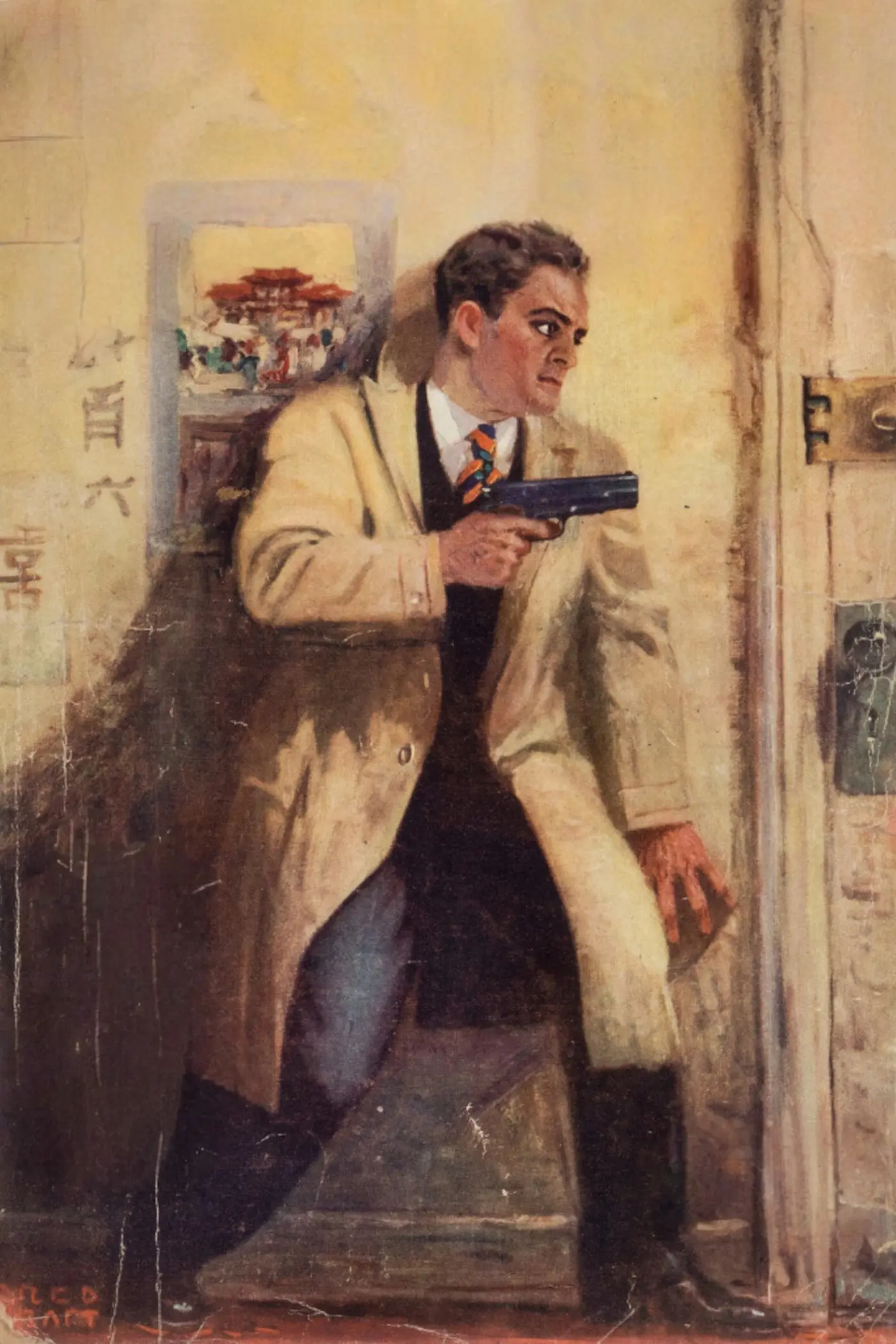
Little Caesar
What is Little Caesar about?
Little Caesar (1929) is W. R. Burnett’s groundbreaking gangster novel, the story of Rico Bandello’s ruthless rise from small-time hood to crime boss in Prohibition-era Chicago. Told in terse, hard-boiled prose, the novel follows Rico as he climbs the criminal hierarchy through violence, intimidation, and force of will, only to face an inevitable downfall. Burnett drew on the real gangster culture of late 1920s Chicago to create a prototype for the modern crime novel. The hugely successful 1931 film adaptation starring Edward G. Robinson established the gangster movie as a major genre.
Main themes in Little Caesar
Gangster rise and fall
The theme of gangster rise and fall weaves through Little Caesar, adding depth to its narrative.
Prohibition era
Little Caesar thoughtfully explores prohibition era through its central conflicts.
Chicago underworld
In Little Caesar, chicago underworld provides a lens for understanding the story's core message.
Hard-boiled prose
Hard-boiled prose emerges as a defining element in Little Caesar, shaping character development.
Why Little Caesar is still relevant today
Little Caesar is a foundational work of crime fiction that helped create both the gangster novel and the gangster film. Its terse, powerful prose remains a model for crime writing.
Frequently Asked Questions
What is Little Caesar about?
The ruthless rise and fall of a gangster in Prohibition-era Chicago—a foundational work of crime fiction.
Is it based on Al Capone?
While not directly based on Capone, Burnett drew on the real gangster culture of 1920s Chicago for inspiration.
Is Little Caesar difficult to read?
Burnett’s prose is terse and fast-paced. It reads like a modern thriller and is very accessible.
Where can I read Little Caesar free?
You can read the full text free on TextStack.