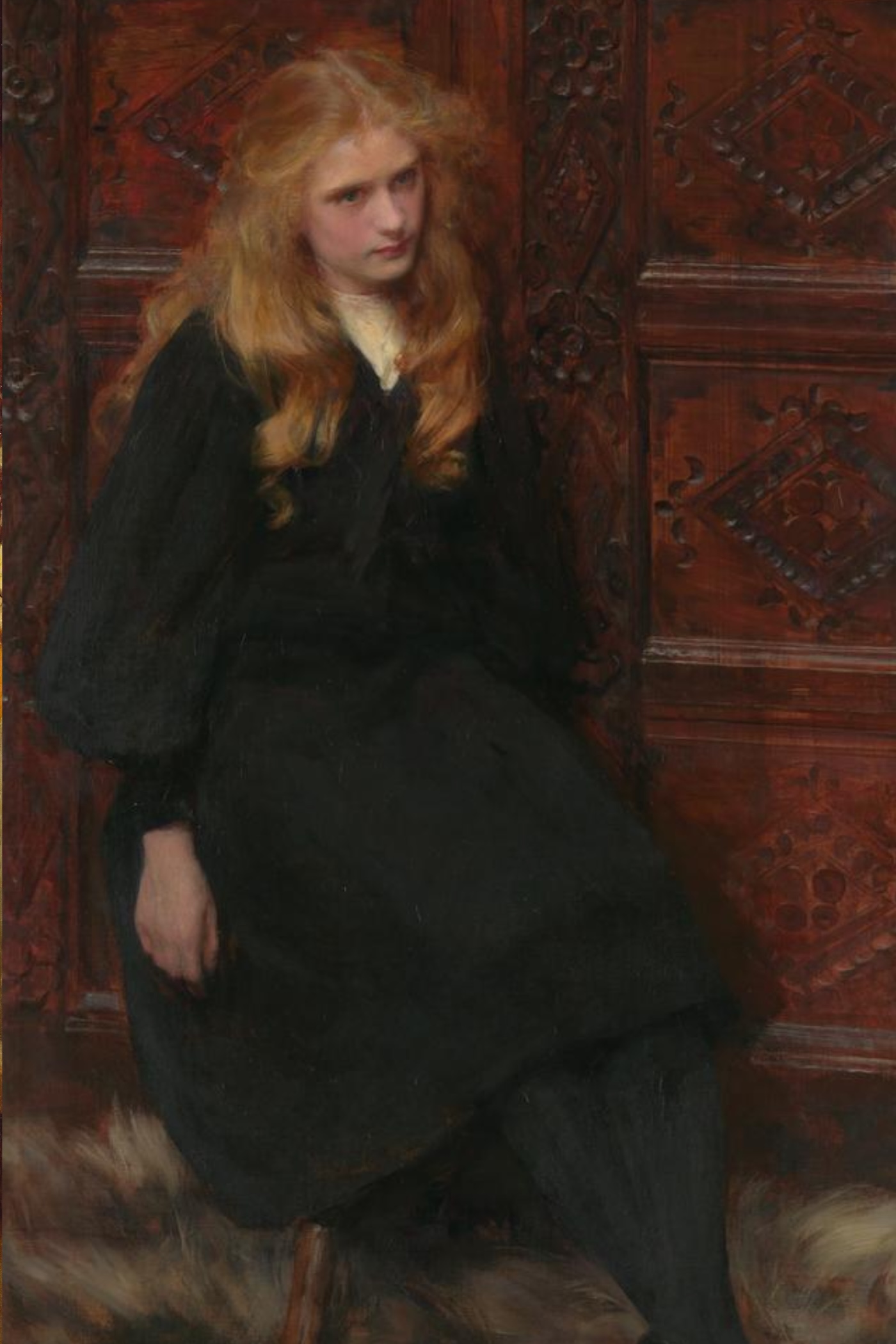
Mary Olivier: A Life
What is Mary Olivier: A Life about?
Mary Olivier: A Life (1919) is a semi-autobiographical novel by British author May Sinclair, tracing the psychological and spiritual development of its protagonist from infancy in the 1860s through middle age. Structured as a five-part bildungsroman, the narrative follows Mary Olivier as she grows up in a middle-class Victorian household, navigating the suffocating devotion of her mother, the deaths of siblings and her father, and her own fierce intellectual awakening. Mary pursues philosophy — Kant, Spinoza, Hegel — and writing, often at the cost of marriage and social conformity. Sinclair employs free indirect discourse and stream-of-consciousness narration, shifting between second-person childhood passages and first-person adult reflection to mirror the developing self. The novel is a landmark in English literary modernism: Sinclair herself had coined the term "stream of consciousness" in literary criticism two years earlier, and Mary Olivier demonstrates that method in sustained practice. It stands alongside Dorothy Richardson's Pilgrimage and Virginia Woolf's early novels as a foundational text of female modernist interiority, and is recognised as a direct influence on Woolf's own prose experiments.
Main themes in Mary Olivier: A Life
Female intellectual identity
In Mary Olivier: A Life, female intellectual identity provides a lens for understanding the story's core message.
Mother-daughter conflict and psychological possession
The theme of mother-daughter conflict and psychological possession weaves through Mary Olivier: A Life, adding depth to its narrative.
Stream of consciousness and the developing self
Mary Olivier: A Life thoughtfully explores stream of consciousness and the developing self through its central conflicts.
Victorian and Edwardian constraints on women
In Mary Olivier: A Life, victorian and edwardian constraints on women provides a lens for understanding the story's core message.
Why Mary Olivier: A Life is still relevant today
Mary Olivier: A Life remains relevant as a precise psychological portrait of a woman refusing to surrender selfhood under family obligation and social expectation. Its exploration of a daughter's entanglement with a possessive mother anticipates decades of feminist literary and psychoanalytic inquiry. For readers today, the novel speaks to conflicts between creative ambition and caregiving duty, and to the cost of intellectual life for women in restrictive societies. As a technical document in the history of modernism, it demonstrates how interiority can replace plot as narrative structure — a technique now foundational to contemporary literary fiction. Mary's engagement with idealist philosophy also gives the novel a philosophical dimension rarely found in fiction of its period, making it of interest to readers drawn to the intersection of literature and ideas. The novel is freely available to read on TextStack.
Frequently Asked Questions
What is Mary Olivier: A Life about?
Mary Olivier: A Life is a 1919 novel by May Sinclair following Mary Olivier from infancy to middle age in Victorian and Edwardian England. It chronicles her psychological development, her intense and often suffocating relationship with her mother, and her pursuit of intellectual and creative freedom through philosophy and writing.
Is Mary Olivier: A Life difficult to read?
The novel uses stream-of-consciousness narration and free indirect discourse, particularly in the childhood sections where second-person prose mirrors a pre-verbal perspective. Readers comfortable with modernist fiction — Virginia Woolf, Dorothy Richardson — will find it accessible, though it rewards patient reading rather than plot-driven pace.
How long does it take to read Mary Olivier: A Life?
At approximately 120,000 words, Mary Olivier: A Life takes most readers between eight and twelve hours. The full text is available to read free on TextStack, where your progress is saved automatically across sessions.
What are the main themes in Mary Olivier: A Life?
The novel's central themes include the conflict between female self-determination and family duty, the psychological dynamics of mother-daughter possession, the development of individual consciousness, women's exclusion from formal intellectual life in the Victorian era, and the relationship between philosophical idealism and personal transcendence.