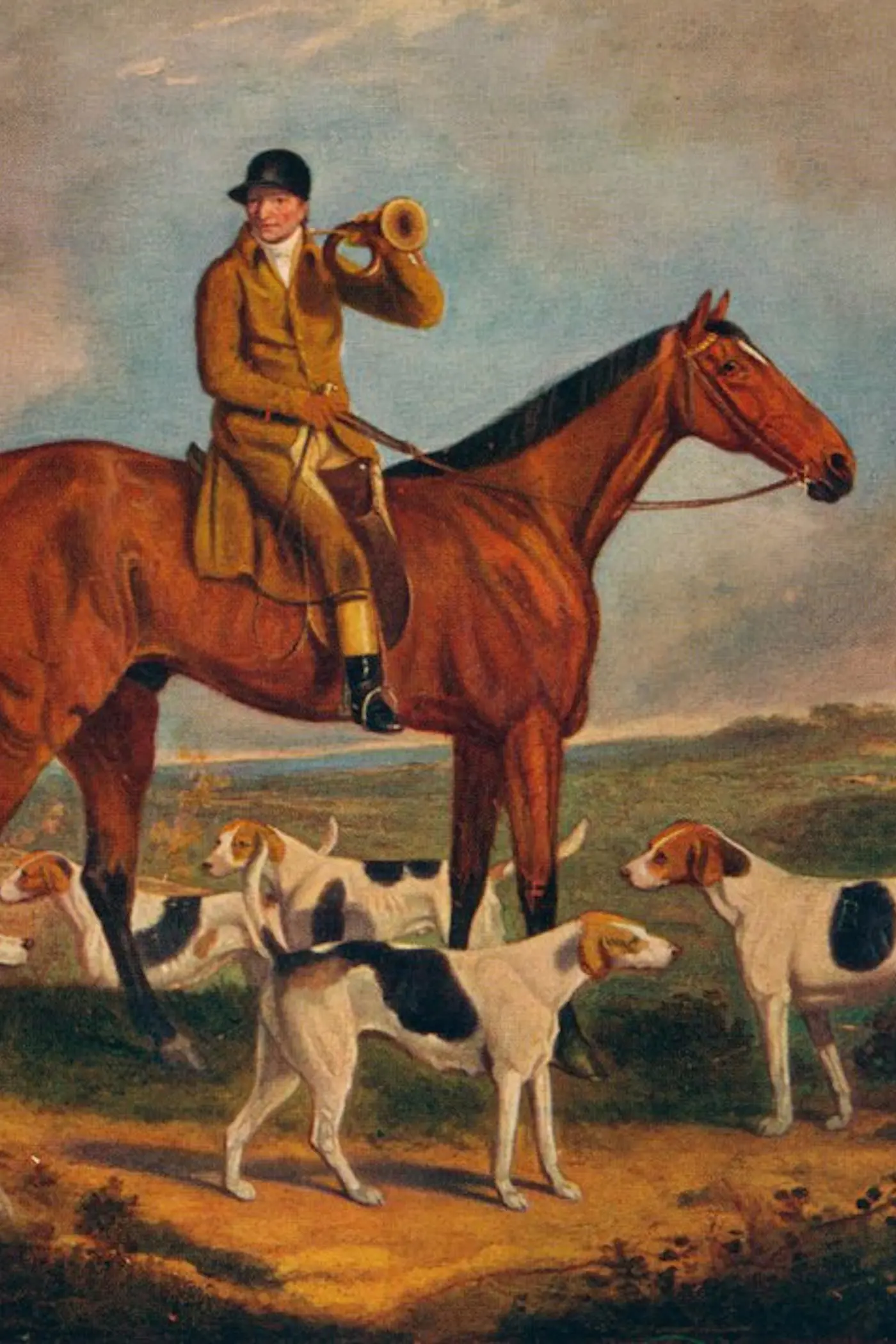
Memoirs of a Foxhunting Man
What is Memoirs of a Foxhunting Man about?
Memoirs of a Fox-Hunting Man (1928) is the first volume of Siegfried Sassoon’s celebrated Sherston trilogy, a thinly fictionalized autobiography following the character George Sherston. The novel traces Sherston’s idyllic Edwardian youth in the English countryside—the hunting, cricket, and golden afternoons—before the shadow of World War I falls across everything. Sassoon’s lyrical, nostalgic prose captures a vanished world of rural English life with extraordinary tenderness, making the eventual collision with the trenches all the more devastating. The book won the Hawthornden Prize and the James Tait Black Memorial Prize.
Main themes in Memoirs of a Foxhunting Man
Edwardian England
The theme of edwardian england weaves through Memoirs of a Foxhunting Man, adding depth to its narrative.
Rural English life
In Memoirs of a Foxhunting Man, rural english life provides a lens for understanding the story's core message.
World War I
The theme of world war i weaves through Memoirs of a Foxhunting Man, adding depth to its narrative.
Lost innocence
Lost innocence emerges as a defining element in Memoirs of a Foxhunting Man, shaping character development.
Why Memoirs of a Foxhunting Man is still relevant today
Memoirs of a Fox-Hunting Man remains a classic of English literature, a poignant elegy for the Edwardian world destroyed by World War I. Its contrast between pastoral innocence and martial horror resonates across generations.
Frequently Asked Questions
What is Memoirs of a Fox-Hunting Man about?
A young Englishman’s idyllic Edwardian youth of hunting, cricket, and country life—before World War I destroys that world forever.
Is it autobiographical?
It is thinly fictionalized autobiography. George Sherston is Sassoon’s alter ego, and most events closely parallel Sassoon’s own life.
Is Memoirs of a Fox-Hunting Man difficult to read?
Sassoon’s prose is beautiful and accessible. The pastoral sections are warmly nostalgic, building to a powerful emotional contrast.
Where can I read Memoirs of a Fox-Hunting Man free?
You can read the full text free on TextStack.