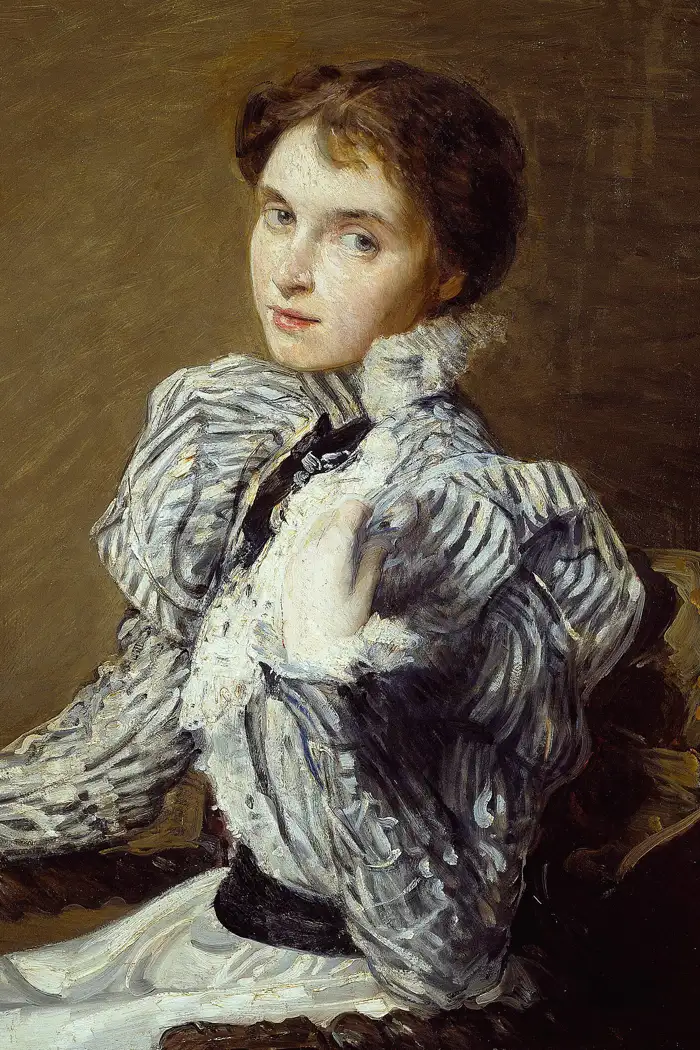
Miss Mole
What is Miss Mole about?
Miss Mole (1930) is E. H. Young's James Tait Black Prize-winning novel about Hannah Mole, a middle-aged woman who takes a position as housekeeper to a nonconformist minister in Bristol. Hannah is witty, observant, and harbors a secret past that could destroy her if discovered. Young creates a rich portrait of provincial English life—the social hierarchies, religious pretensions, and quiet dramas of a middle-class community—all filtered through Hannah's ironic and compassionate intelligence. The novel has been compared to Jane Austen for its precision and wit, and to the Brontës for its portrait of a spirited woman constrained by circumstance.
Main themes in Miss Mole
English Domestic Fiction
The presence of english domestic fiction in Miss Mole connects readers to its enduring relevance.
Secret Past
The theme of secret past weaves through Miss Mole, adding depth to its narrative.
Social Observation
The theme of social observation weaves through Miss Mole, adding depth to its narrative.
Bristol Setting
In Miss Mole, bristol setting provides a lens for understanding the story's core message.
Why Miss Mole is still relevant today
Miss Mole is a masterpiece of English domestic fiction—psychologically acute, gently ironic, and featuring one of the most appealing heroines in twentieth-century fiction.
Frequently Asked Questions
What is Miss Mole about?
A witty, middle-aged housekeeper with a secret past navigates the social world of provincial Bristol with ironic intelligence.
Why did Miss Mole win a prize?
It won the James Tait Black Prize for its masterful characterization, ironic observation, and psychological depth.
Where can I read Miss Mole online?
You can read it free on TextStack.