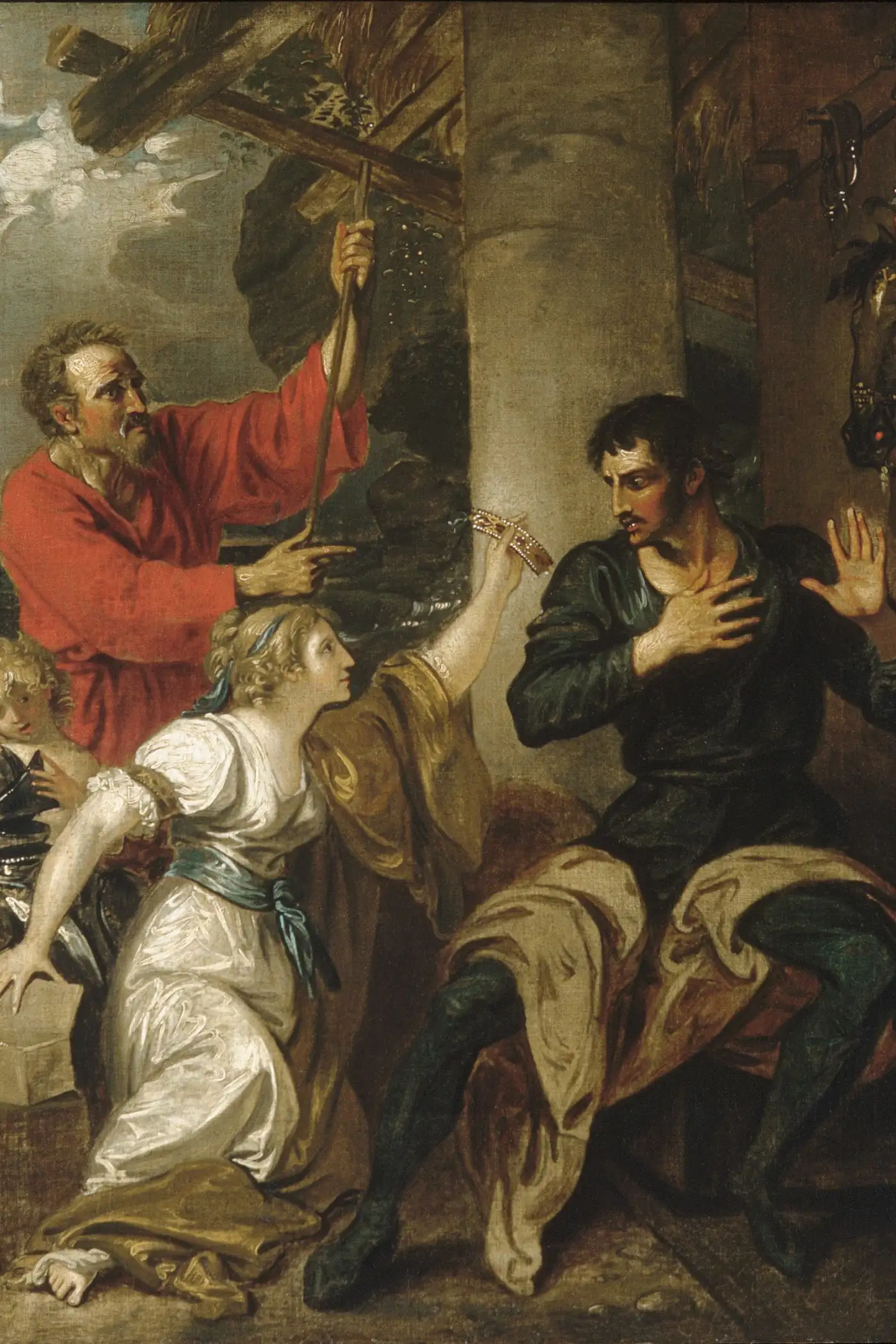
Orlando Furioso
What is Orlando Furioso about?
Orlando Furioso (1516, final revision 1532) is Ludovico Ariosto’s monumental epic poem, one of the crowning achievements of Renaissance literature. Continuing the story begun in Boiardo’s Orlando Innamorato, the poem follows dozens of characters through an intricate web of adventures set during the war between Charlemagne’s Christian knights and the Saracen army besieging Paris. At its center is the paladin Orlando (Roland), who goes mad with grief when the woman he loves, the pagan princess Angelica, chooses another. Around this central thread Ariosto weaves stories of the warrior maiden Bradamante and her Saracen lover Ruggiero, the treacherous Rodomonte, the magical hippogriff, journeys to the moon, enchanted castles, and sea monsters. The poem’s genius lies in Ariosto’s narrative control—seamlessly shifting between stories, blending heroism with humor, pathos with irony—and in his verse, which achieves extraordinary fluency and musicality in ottava rima. Orlando Furioso is at once a celebration and gentle satire of the chivalric tradition.
Main themes in Orlando Furioso
Chivalric Romance
In Orlando Furioso, chivalric romance provides a lens for understanding the story's core message.
Madness and Love
Madness and Love emerges as a defining element in Orlando Furioso, shaping character development.
War Between Civilizations
The presence of war between civilizations in Orlando Furioso connects readers to its enduring relevance.
Fantasy and Magic
In Orlando Furioso, fantasy and magic provides a lens for understanding the story's core message.
Why Orlando Furioso is still relevant today
Orlando Furioso’s narrative techniques—interwoven plots, unreliable narration, genre-mixing—feel strikingly modern. Its influence on fantasy literature, from Tolkien to contemporary epic fantasy, and on narrative structure in fiction and film, makes it essential reading for understanding Western storytelling.
Frequently Asked Questions
What is Orlando Furioso about?
The epic poem interweaves dozens of adventures of Christian and Saracen knights, centered on Orlando’s descent into madness from unrequited love for the princess Angelica. Read it free on TextStack.
Is Orlando Furioso difficult to read?
In a good translation, the poem is surprisingly accessible and entertaining. Ariosto’s storytelling is vivid and fast-paced, with humor and adventure that appeal to modern readers.
How long is Orlando Furioso?
The complete poem spans 46 cantos and over 38,000 lines, making it one of the longest major poems in European literature. Many readers enjoy it in sections rather than all at once.
Why is Orlando Furioso important?
It is one of the most influential works in European literature, shaping epic poetry, the novel, and fantasy fiction. Spenser, Cervantes, and Shakespeare all drew from Ariosto’s masterwork.