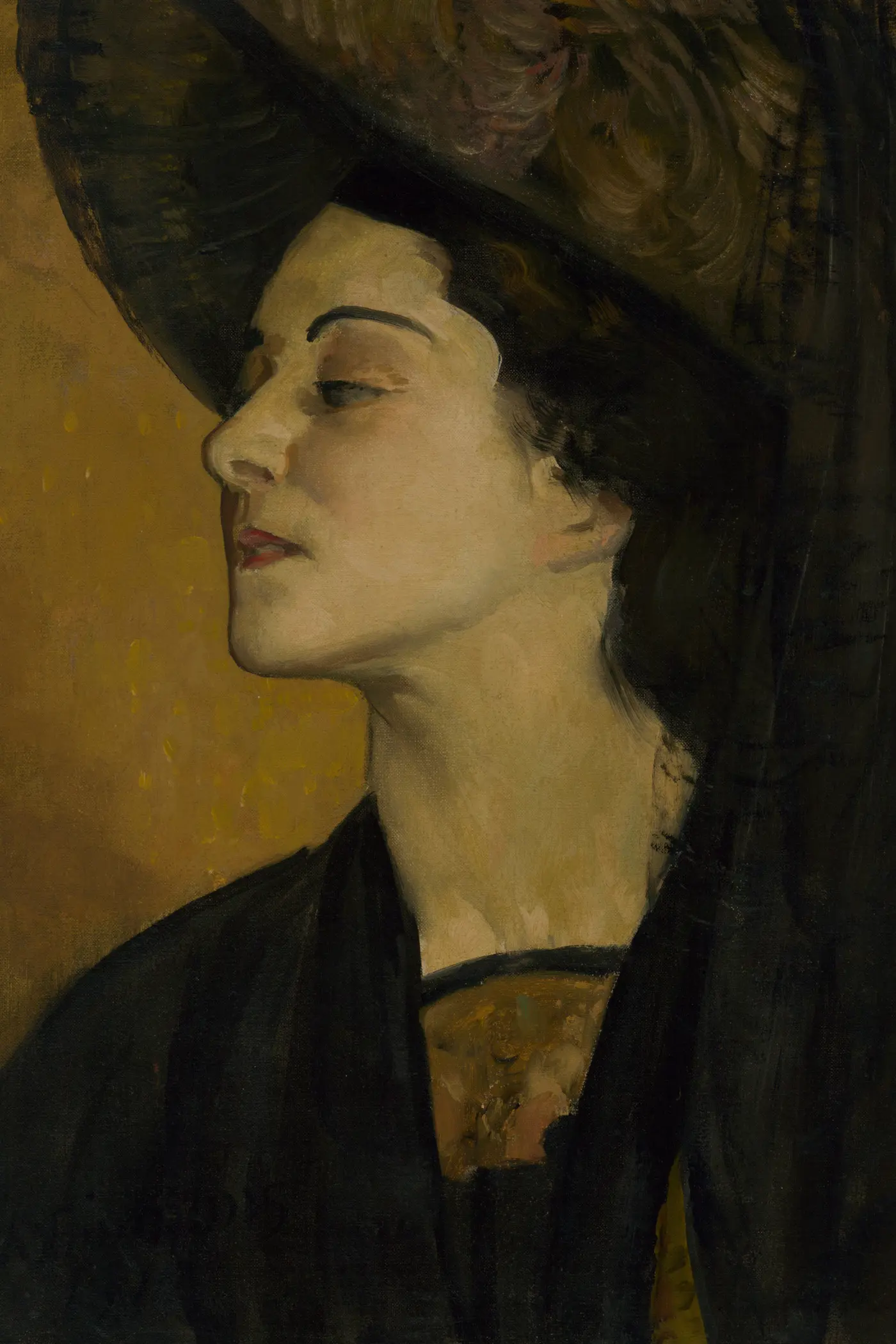
Plum Bun
What is Plum Bun about?
Plum Bun (1929) is Jessie Redmon Fauset’s most acclaimed novel, subtitled "A Novel Without a Moral." It tells the story of Angela Murray, a light-skinned African American woman in Philadelphia who decides to "pass" as white in New York to access the opportunities denied to Black women. As Angela navigates the white art world and a romance with a wealthy white man, she must confront what she has sacrificed—her family, her identity, and her connection to the Black community. The novel is a sophisticated exploration of racial identity, passing, artistic ambition, and the costs of assimilation.
Main themes in Plum Bun
Racial passing
Racial passing emerges as a defining element in Plum Bun, shaping character development.
Harlem Renaissance
The presence of harlem renaissance in Plum Bun connects readers to its enduring relevance.
Identity
Questions the nature of self and personal authenticity in Plum Bun.
Black middle class
In Plum Bun, black middle class provides a lens for understanding the story's core message.
Why Plum Bun is still relevant today
Plum Bun is a landmark Harlem Renaissance novel about racial passing that explores identity, ambition, and belonging with sophistication and nuance.
More by this author
Frequently Asked Questions
What is Plum Bun about?
A light-skinned African American woman passes as white in New York to pursue art and romance, confronting what she sacrifices in identity and community.
What does the title mean?
It comes from a nursery rhyme about buying plum buns at market, symbolizing the marketplace of identity and desire.
Is it about the Harlem Renaissance?
It is set during that era and explores the artistic and social world of 1920s New York from a Black woman’s perspective.
Can I read it free?
Yes, the complete novel is available free on TextStack.