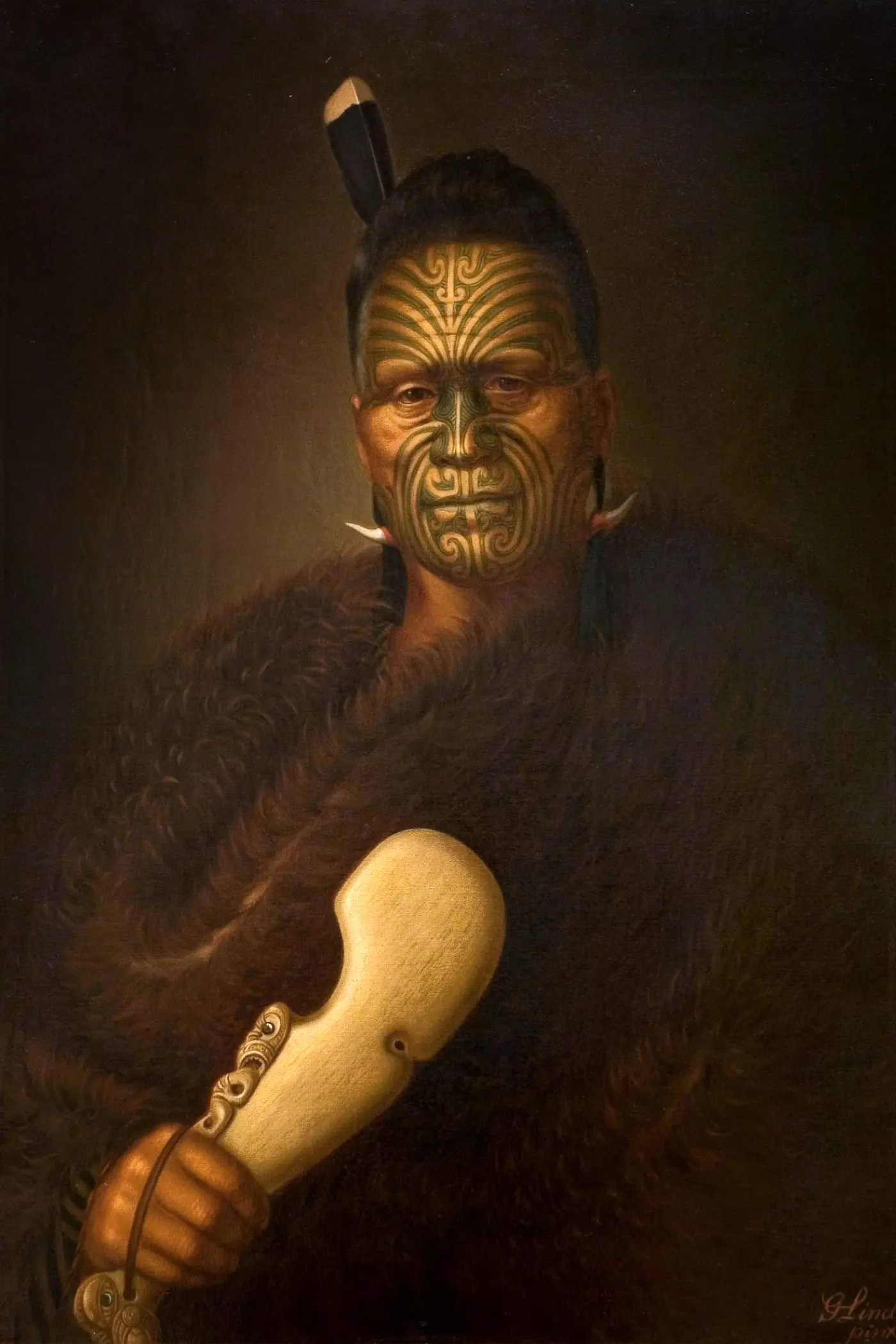
Polynesian Mythology
What is Polynesian Mythology about?
Polynesian Mythology and Ancient Traditional History of the New Zealand Race is George Grey’s landmark collection of Māori myths, legends, and oral traditions. First published in 1855, this work compiles narratives Grey gathered directly from Māori elders during his tenure as Governor of New Zealand. The collection includes creation myths, tales of demigods like Māui, accounts of ancestral migrations across the Pacific, and stories of supernatural beings and heroic adventures. Grey learned the Māori language to conduct his research firsthand, giving the collection an authenticity that distinguishes it from many contemporary ethnographic works. The book covers Māori cosmogonic traditions—the origins of the world, the separation of Rangi and Papa (Sky Father and Earth Mother), and the exploits of culture heroes. It also documents historical traditions relating to the great canoe migrations that brought Polynesian peoples to New Zealand. As one of the earliest systematic collections of Polynesian oral literature, this work remains a foundational text in Pacific anthropology and comparative mythology.
Main themes in Polynesian Mythology
Māori creation myths
Polynesian Mythology thoughtfully explores māori creation myths through its central conflicts.
Pacific migration traditions
In Polynesian Mythology, pacific migration traditions provides a lens for understanding the story's core message.
Demigod narratives
Polynesian Mythology thoughtfully explores demigod narratives through its central conflicts.
Indigenous cosmology
In Polynesian Mythology, indigenous cosmology provides a lens for understanding the story's core message.
Why Polynesian Mythology is still relevant today
Polynesian Mythology remains essential reading for anyone interested in Pacific Island cultures, indigenous cosmology, and Māori oral traditions. It provides primary source material for comparative mythology and anthropological study, offering narratives that illuminate universal themes of creation, heroism, and cultural identity.
Frequently Asked Questions
What is Polynesian Mythology about?
A collection of Māori myths, legends, and oral traditions compiled by George Grey, including creation stories, tales of Māui, and accounts of ancestral Pacific migrations.
Is Polynesian Mythology a reliable source?
Grey learned Māori fluently and collected narratives directly from elders, making it one of the most authentic nineteenth-century ethnographic collections, though it reflects colonial-era perspectives.
Can I read Polynesian Mythology online for free?
Yes, read the full text for free on TextStack with a comfortable reading interface and offline access.