Representative Men
What is Representative Men about?
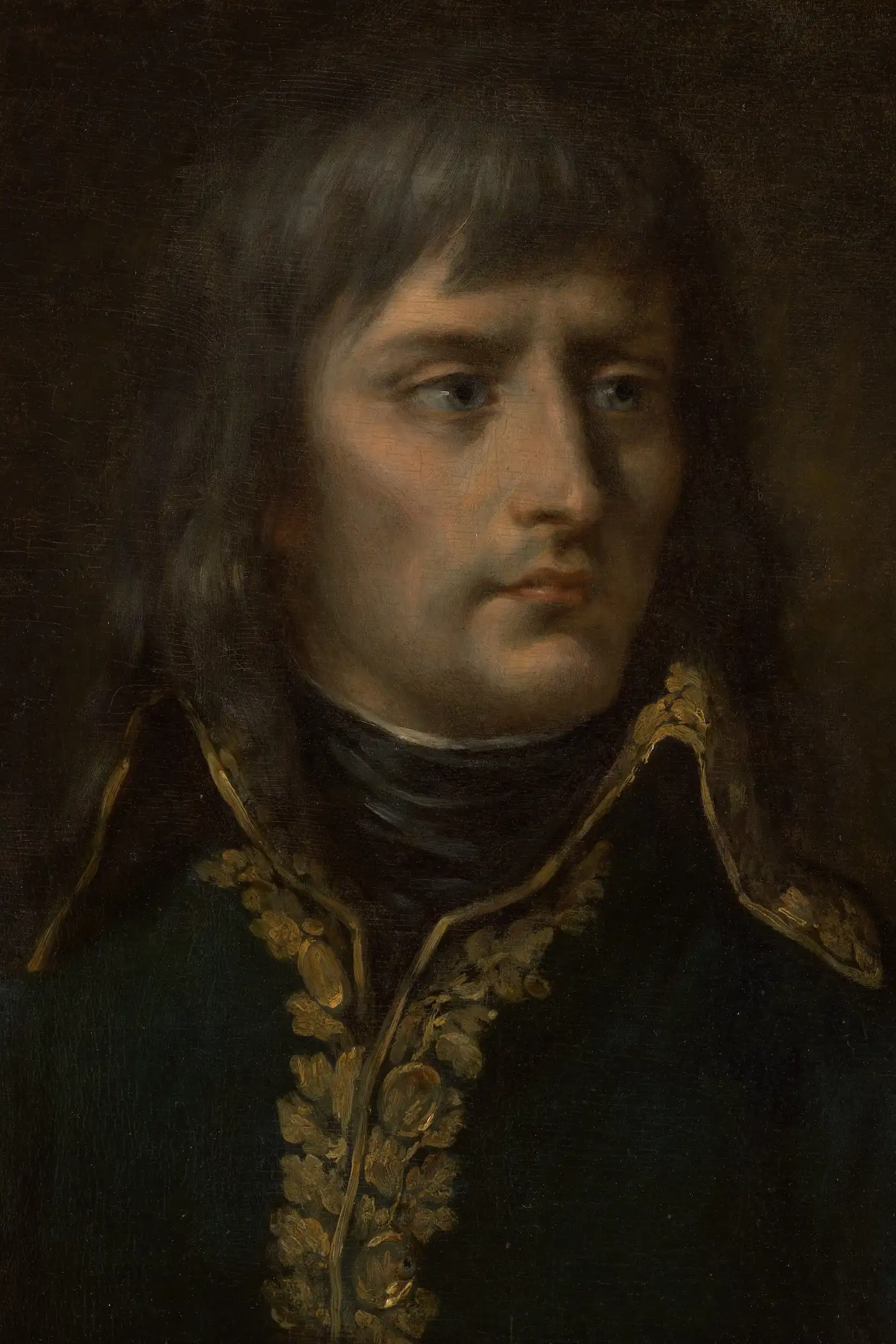
Representative Men (1850) is Ralph Waldo Emerson’s collection of biographical essays examining six figures who embody different aspects of human greatness: Plato (the Philosopher), Swedenborg (the Mystic), Montaigne (the Skeptic), Shakespeare (the Poet), Napoleon (the Man of the World), and Goethe (the Writer). Rather than conventional biographies, these are philosophical portraits exploring how great individuals represent universal human capacities. The book responds to Thomas Carlyle’s On Heroes and Hero-Worship, offering a more democratic vision of greatness.
Main themes in Representative Men
Biographical essays
Biographical essays emerges as a defining element in Representative Men, shaping character development.
Human greatness
Representative Men thoughtfully explores human greatness through its central conflicts.
Philosophy of genius
Representative Men thoughtfully explores philosophy of genius through its central conflicts.
Plato
Plato emerges as a defining element in Representative Men, shaping character development.
Why Representative Men is still relevant today
Representative Men offers Emerson’s vision of human greatness through six philosophical portraits. It is a key work for understanding Emerson’s thought on individuality and genius.
More by this author
Frequently Asked Questions
What is Representative Men about?
Six philosophical portraits—Plato, Swedenborg, Montaigne, Shakespeare, Napoleon, Goethe—exploring how great individuals represent universal human capacities.
Is it biography?
Not conventional biography. Emerson uses these figures as lenses for philosophical reflection on different modes of human greatness.
How does it relate to his Essays?
It extends his thinking about individualism and genius into specific biographical examples.
Can I read it free online?
Yes, the complete text is available free on TextStack.