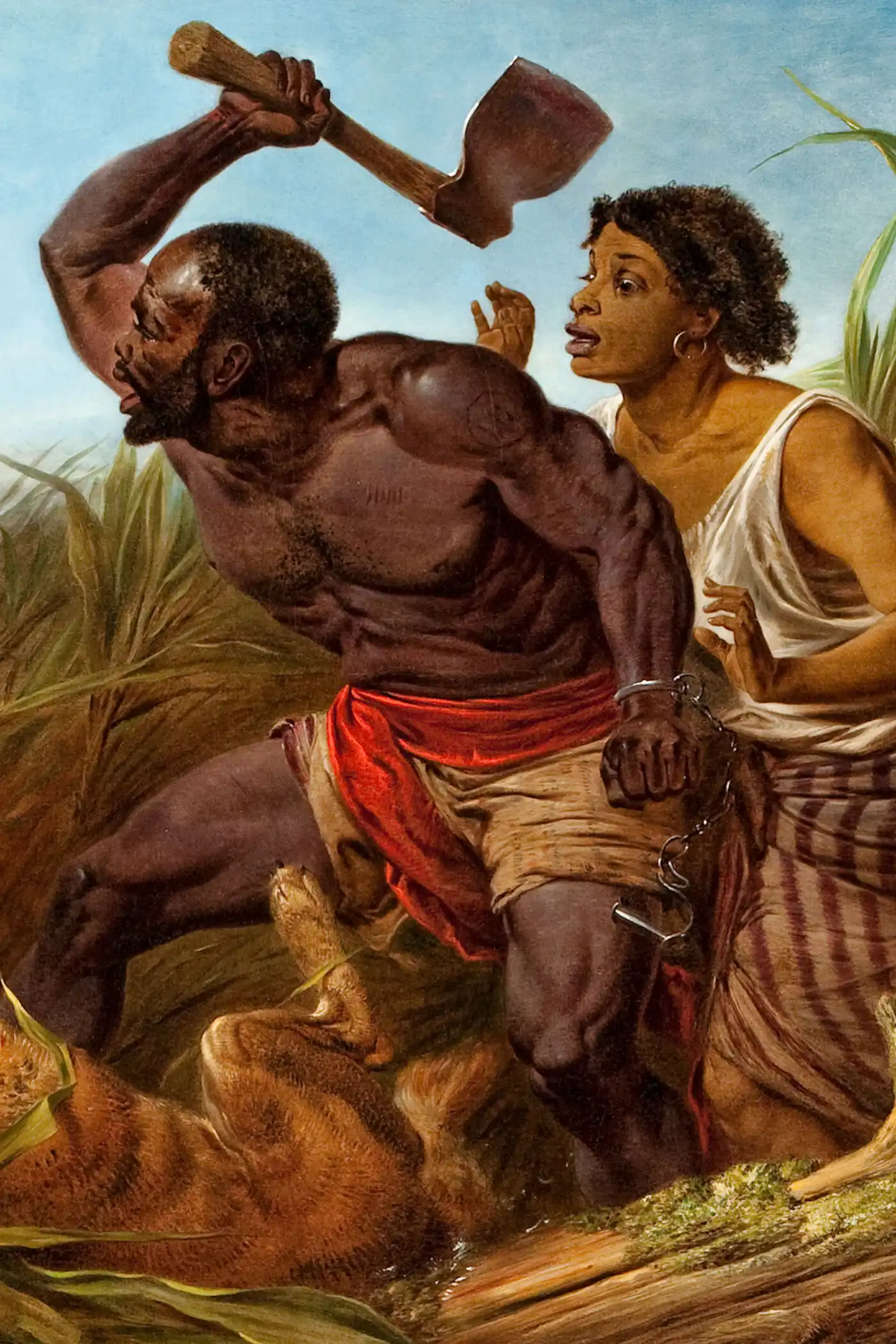
Running a Thousand Miles for Freedom
What is Running a Thousand Miles for Freedom about?
Running a Thousand Miles for Freedom (1860) is William and Ellen Craft’s own account of their extraordinary escape from slavery in December 1848. Ellen, a light-skinned enslaved woman, disguised herself as a white male slaveholder traveling north with his slave (William). Over four harrowing days, the couple traveled by train, steamship, and carriage from Macon, Georgia, to Philadelphia, maintaining the deception through encounters with suspicious strangers, helpful citizens, and the constant threat of discovery. Their narrative is at once a gripping adventure story, a powerful indictment of slavery, and a testament to human courage and ingenuity.
Main themes in Running a Thousand Miles for Freedom
Slave escape
The theme of slave escape weaves through Running a Thousand Miles for Freedom, adding depth to its narrative.
Disguise and deception
Disguise and deception emerges as a defining element in Running a Thousand Miles for Freedom, shaping character development.
Abolitionism
The presence of abolitionism in Running a Thousand Miles for Freedom connects readers to its enduring relevance.
Interracial passing
The presence of interracial passing in Running a Thousand Miles for Freedom connects readers to its enduring relevance.
Why Running a Thousand Miles for Freedom is still relevant today
Running a Thousand Miles for Freedom is one of the most dramatic slave narratives ever written. Its story of courage, ingenuity, and love in the face of slavery remains deeply moving and historically essential.
Frequently Asked Questions
What is Running a Thousand Miles for Freedom about?
The true story of William and Ellen Craft’s daring escape from slavery, with Ellen disguised as a white slaveholder and William as her slave.
Is it a true story?
Yes, it is the Crafts’ own firsthand account of their real escape in 1848.
Is it difficult to read?
The narrative is gripping and accessible, reading like an adventure story while conveying the reality of slavery.
Where can I read it free?
You can read the full text free on TextStack.