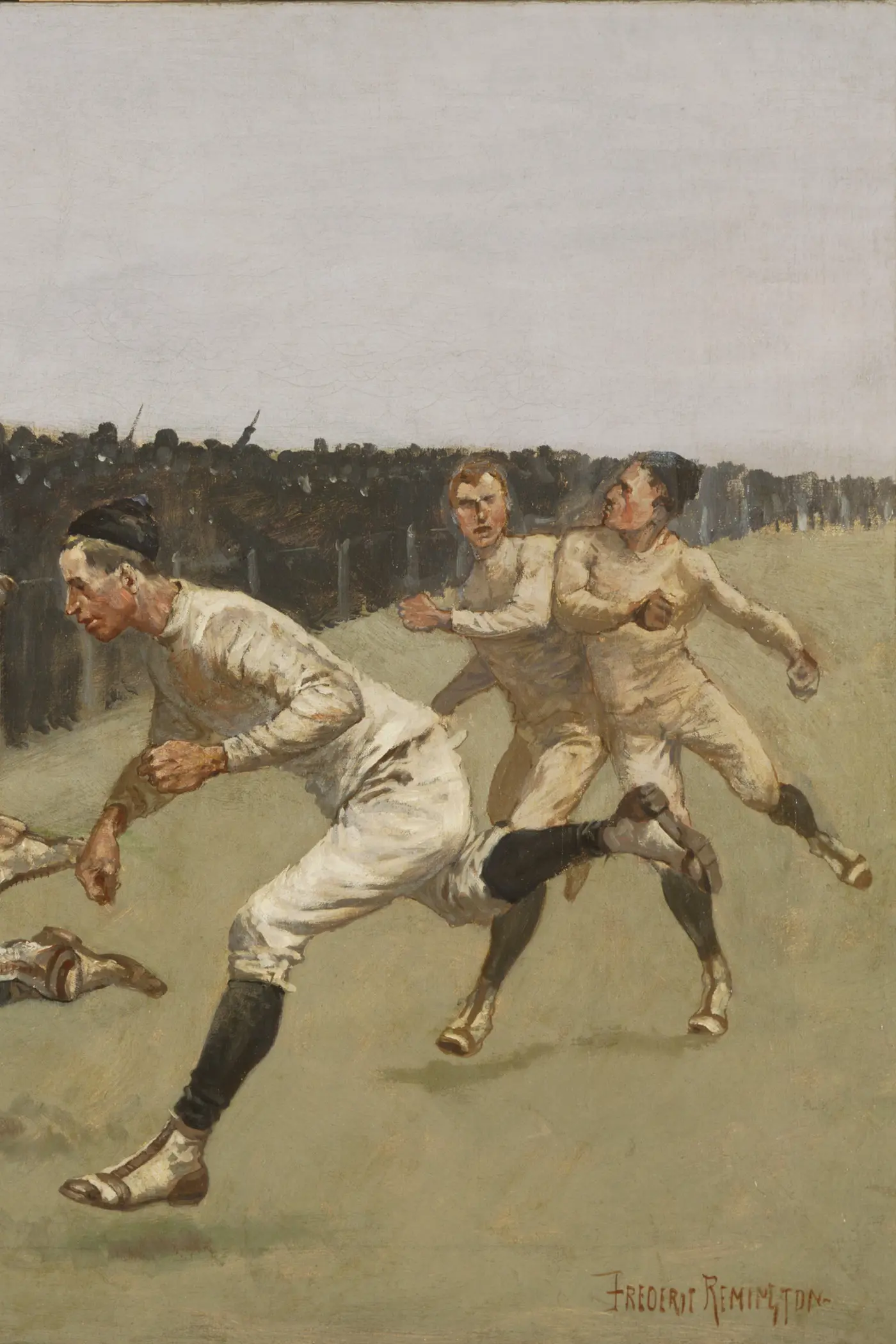
Stover at Yale
What is Stover at Yale about?
Stover at Yale (1912) is Owen Johnson’s classic campus novel, widely regarded as the definitive portrait of Ivy League undergraduate life at the turn of the 20th century. Dink Stover arrives at Yale as a freshman, already a minor celebrity from his exploits at Lawrenceville School. Over four years he navigates the intricate social world of the university—the secret society "tap" system, the fierce competition for social status, the athletic rivalries, the class distinctions, and the gradual realization that Yale’s hierarchies perpetuate rather than challenge American inequality. Stover begins as a conventional young man eager for social success and gradually develops a more critical perspective on the system that rewards him. Johnson draws on his own Yale experience to create a novel that works simultaneously as an entertaining coming-of-age story and a serious examination of how American elites are formed and perpetuated. The novel helped establish the campus novel as a literary genre.
Main themes in Stover at Yale
Ivy League Life
The theme of ivy league life weaves through Stover at Yale, adding depth to its narrative.
Secret Societies
In Stover at Yale, secret societies provides a lens for understanding the story's core message.
Social Hierarchy
In Stover at Yale, social hierarchy provides a lens for understanding the story's core message.
Coming of Age
Coming of Age emerges as a defining element in Stover at Yale, shaping character development.
Why Stover at Yale is still relevant today
Stover at Yale’s examination of secret societies, social hierarchies, and elite formation in American universities remains directly relevant to ongoing debates about privilege, access, and the role of elite institutions in perpetuating inequality.
Frequently Asked Questions
What is Stover at Yale about?
A young man navigates four years of social hierarchies, secret societies, and class dynamics at Yale, gradually questioning the elite system that rewards him. Read it free on TextStack.
Is this a true story?
While fictional, Johnson drew directly on his own Yale experience, and the social systems he describes—secret societies, the “tap” system—were real features of Yale life.
Is Stover at Yale difficult to read?
The novel is entertaining and well-paced, with vivid characters and engaging campus drama. It reads easily while offering substantive social commentary.
Why is Stover at Yale historically important?
It is the foundational American campus novel and provides an invaluable portrait of how Ivy League universities formed America’s leadership class at the turn of the century.