Styrbiorn the Strong
What is Styrbiorn the Strong about?
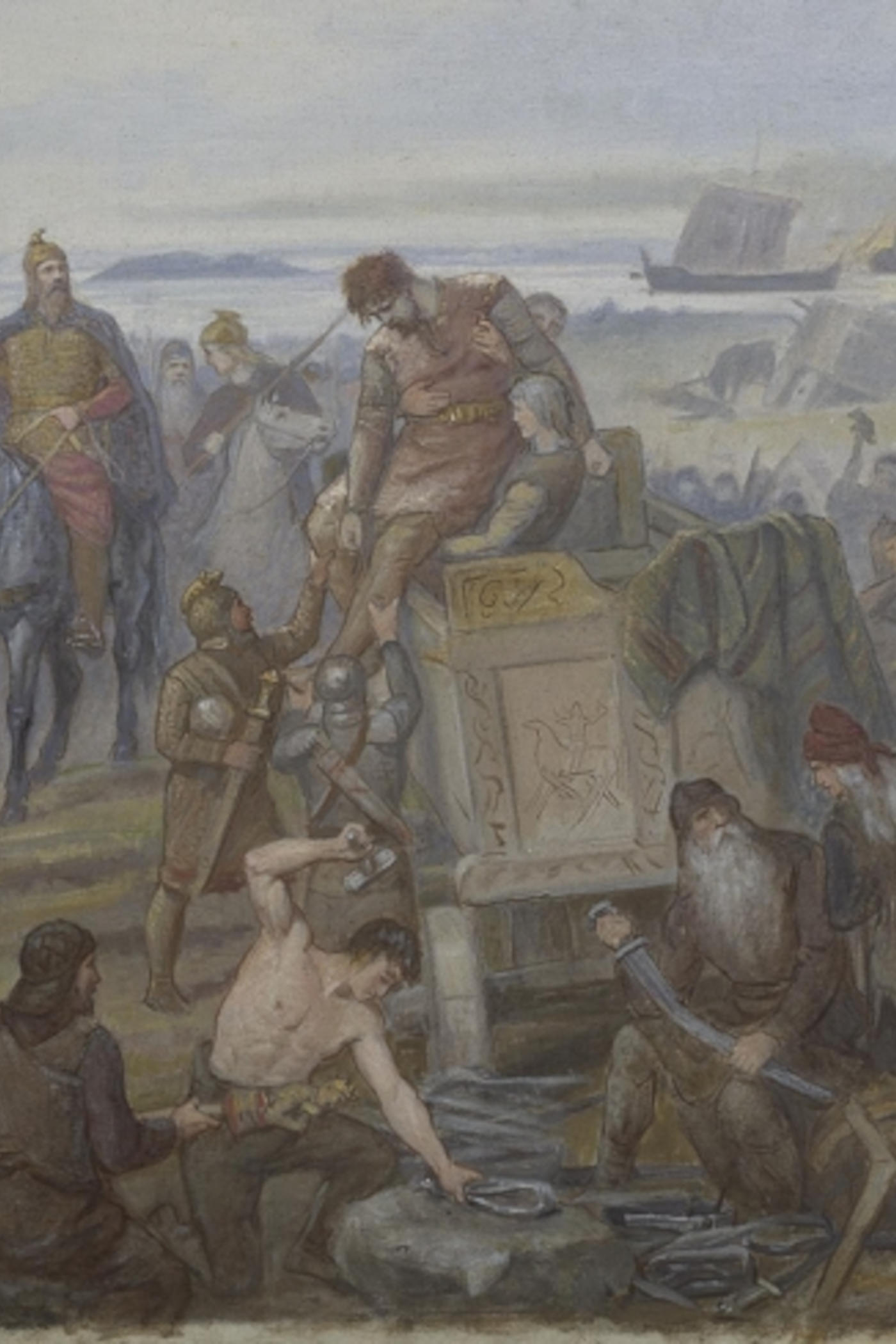
Styrbiorn the Strong (1926) is a historical novel by E. R. Eddison retelling the Old Norse saga of Styrbjörn Starke, a tenth-century Viking warrior and claimant to the Swedish throne. The story opens within the Yngling dynasty at Uppsala, where King Eric the Victorious rules over the Up-Swedes and neighboring lands. Styrbiorn, Eric's nephew and rightful co-heir, is denied his inheritance and driven by wounded pride into a career of raiding and conquest across the Norse world. Refusing submission, he assembles a formidable warband, secures the alliance of Harald Bluetooth of Denmark, and returns to contest Sweden by force. The novel culminates at the Battle of Fyrisvellir, one of the few well-attested events of late-tenth-century Scandinavian history, where Styrbiorn's fate is sealed. Eddison renders the narrative in a consciously archaic, elevated prose that evokes the texture of Icelandic saga literature and skaldic verse, drawing directly on sources including Heimskringla and the Ynglinga saga. The work stands as a significant contribution to the tradition of English literary historicism initiated by William Morris, and for readers familiar with Eddison's fantasy novel The Worm Ouroboros, it offers the same ornate stylistic register applied to documented history rather than invented mythology.
Main themes in Styrbiorn the Strong
Dynastic inheritance and dispossession
The theme of dynastic inheritance and dispossession weaves through Styrbiorn the Strong, adding depth to its narrative.
Norse warrior honor and the code of feud
Styrbiorn the Strong thoughtfully explores norse warrior honor and the code of feud through its central conflicts.
Fate and Scandinavian fatalism
Fate and Scandinavian fatalism emerges as a defining element in Styrbiorn the Strong, shaping character development.
The doomed hero and martial ambition
The presence of the doomed hero and martial ambition in Styrbiorn the Strong connects readers to its enduring relevance.
Why Styrbiorn the Strong is still relevant today
Styrbiorn the Strong connects to the sustained popular interest in Viking Age culture, Old Norse religion, and saga literature that has grown considerably through contemporary media and scholarship. Unlike modern dramatizations of the period, Eddison's novel adheres closely to primary historical sources, making it a literary entry point to authentic tenth-century Scandinavian material. The figure of Styrbjörn — a man of legitimate claims who becomes an outsider by circumstance and temperament — embodies the saga archetype of the doomed hero whose honor compels him toward destruction. This pattern resonates with readers interested in tragedy, fatalism, and the ethics of warrior cultures. Eddison's prose style, while archaic in construction, also places the novel within a significant genealogy of English fantasy literature, as his influence on later writers in the genre has been documented. The text is freely available on TextStack for reading online or offline without registration.
More by this author
Frequently Asked Questions
What is Styrbiorn the Strong about?
Styrbiorn the Strong is a 1926 historical novel by E. R. Eddison based on the Old Norse saga of Styrbjörn Starke, a tenth-century Viking who was denied the Swedish throne by his uncle King Eric the Victorious. The novel follows Styrbiorn's rise as a warrior and raider, his alliance with the Danish king Harald Bluetooth, and his climactic attempt to seize Sweden by force at the Battle of Fyrisvellir. You can read the full text for free on TextStack.
Is Styrbiorn the Strong difficult to read?
The novel presents a moderate challenge due to Eddison's deliberately archaic prose style, which imitates the diction and rhythm of Old Norse saga literature. Readers familiar with Victorian medievalism or Eddison's other work, The Worm Ouroboros, will find the style consistent. Those new to this register may need time to adjust, but the narrative structure follows clear chronological saga conventions. TextStack allows readers to save their progress and return at any point.
How long does it take to read Styrbiorn the Strong?
At an average reading pace the novel takes approximately four to six hours to complete. It is a relatively compact work compared to Eddison's fantasy writings. TextStack tracks your reading progress automatically so you can resume where you left off across sessions.
What are the main themes in Styrbiorn the Strong?
The central themes include dynastic inheritance and dispossession, Norse warrior honor, and the fatalism characteristic of saga literature. The character of Styrbiorn embodies the archetype of the doomed hero whose pride and legitimate grievance drive him toward inevitable destruction. The novel also engages with historical memory and the role of oral tradition in preserving the deeds of Viking Age figures.