Sybil
What is Sybil about?
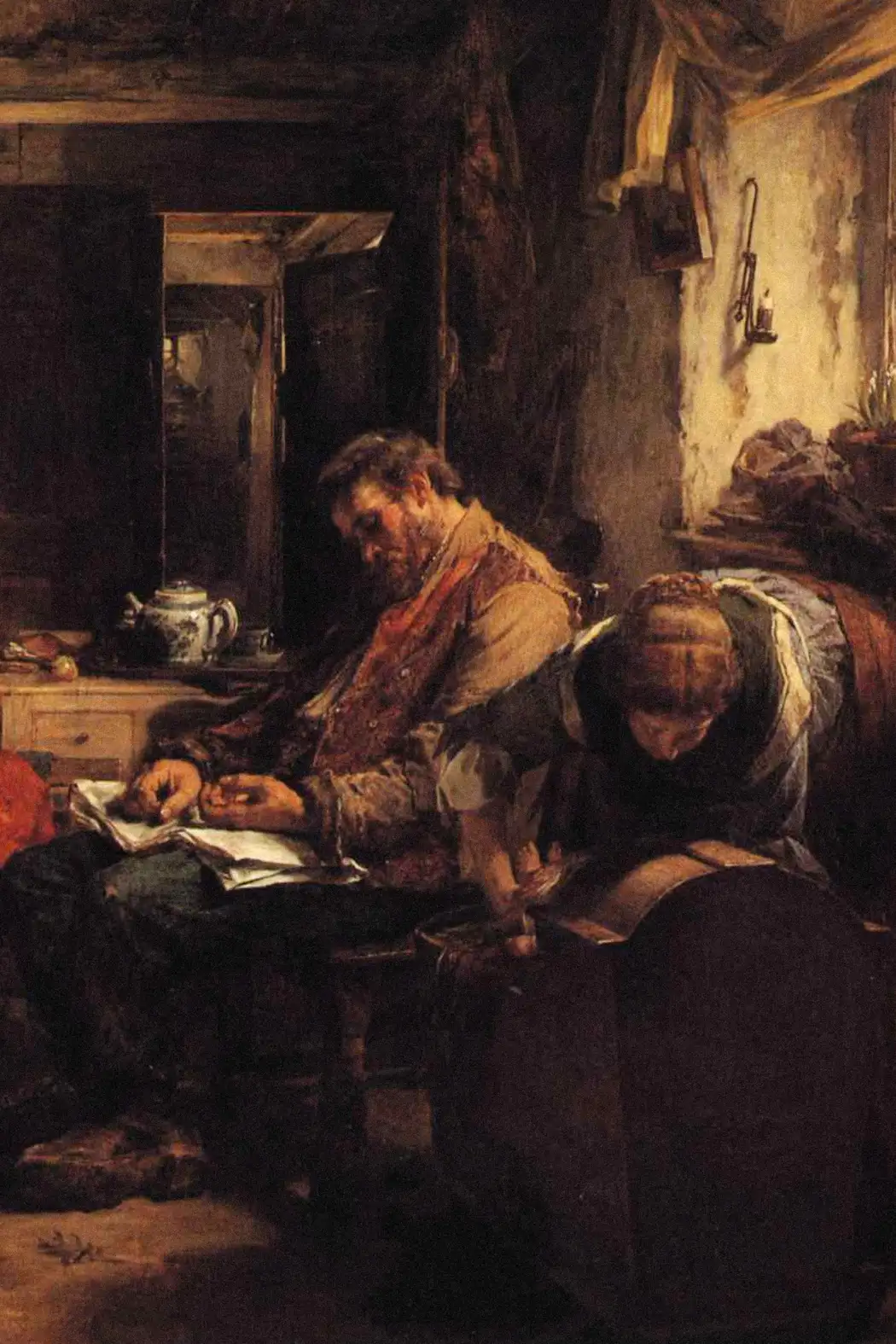
Sybil, or The Two Nations (1845) is Benjamin Disraeli's most influential novel and one of the key works of the Victorian social novel tradition. Set against the backdrop of the Chartist movement, it tells the story of Charles Egremont, a young aristocrat who falls in love with Sybil Gerard, the daughter of a working-class radical. Through their relationship, Disraeli dramatizes the divide between what he famously called the "Two Nations"—the rich and the poor—who live in ignorance of each other despite sharing the same country. The novel combines romantic plot with passionate social analysis, drawing on parliamentary reports and personal observation to expose the conditions of the industrial working class.
Main themes in Sybil
Social Inequality
Social Inequality emerges as a defining element in Sybil, shaping character development.
Victorian England
In Sybil, victorian england provides a lens for understanding the story's core message.
Chartist Movement
The presence of chartist movement in Sybil connects readers to its enduring relevance.
Two Nations
Sybil thoughtfully explores two nations through its central conflicts.
Why Sybil is still relevant today
Sybil remains one of the most powerful literary indictments of economic inequality. Disraeli's concept of Two Nations continues to frame political debates about wealth disparity and social justice.
Frequently Asked Questions
What is Sybil by Disraeli about?
A young aristocrat falls in love with a working-class woman, exposing the divide between rich and poor in industrial England.
What does Two Nations mean?
Disraeli's phrase describes how rich and poor in England live as if in two separate nations, ignorant of each other's existence.
Where can I read Sybil online?
You can read Sybil free on TextStack.