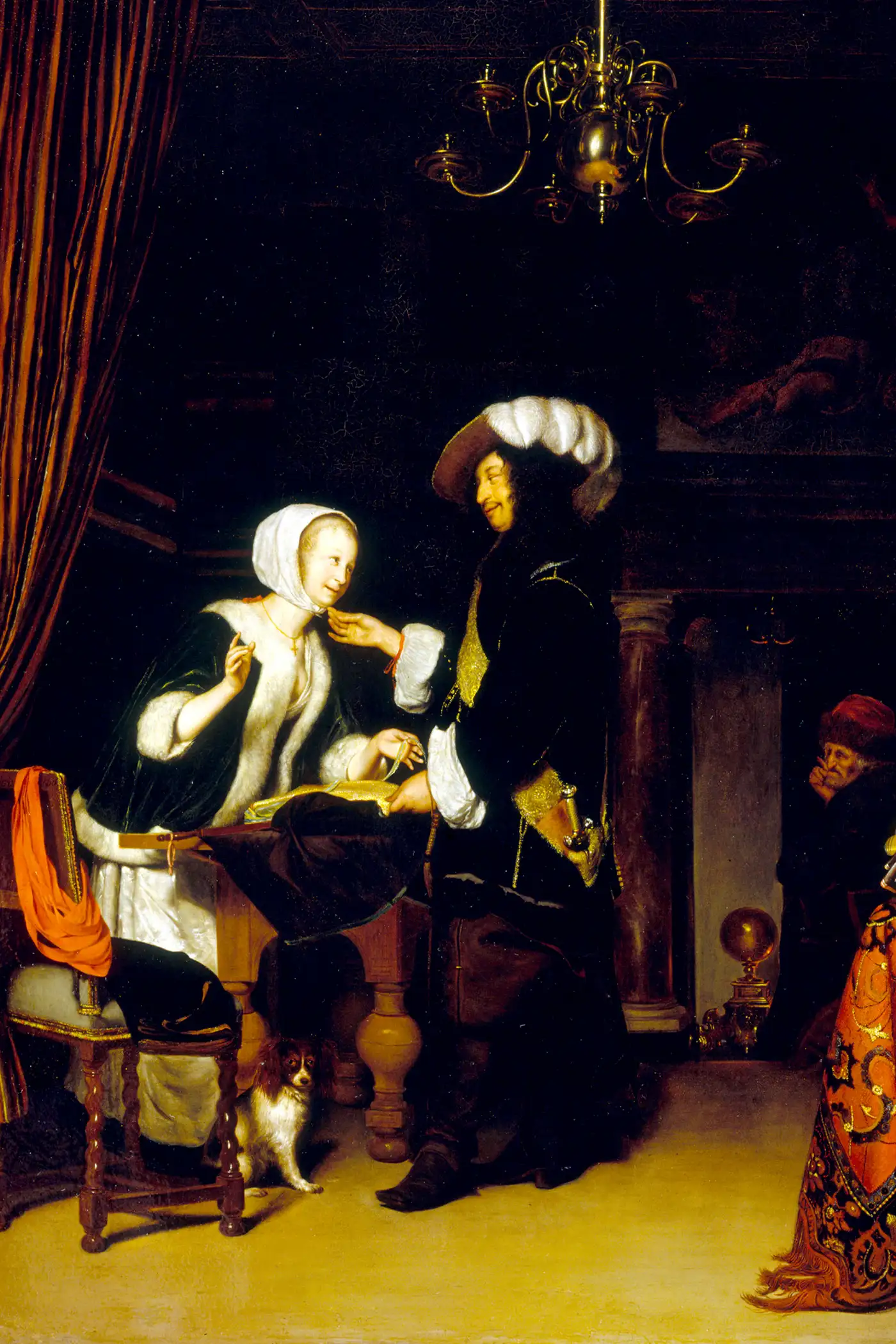
Tartuffe
What is Tartuffe about?
Tartuffe (1664) is Molière’s most celebrated and controversial comedy, a devastating satire of religious hypocrisy that was banned for five years by pressure from the Catholic Church. The wealthy Orgon has fallen completely under the spell of Tartuffe, a seemingly devout man who has insinuated himself into Orgon’s household. Despite the protests of Orgon’s wife Elmire, his brother-in-law Cléante, and his outspoken maid Dorine—who all see through Tartuffe’s pious facade—Orgon plans to disinherit his son and marry his daughter to the hypocrite. Only when Orgon hides under a table and witnesses Tartuffe’s attempted seduction of Elmire does he recognize the fraud. But by then Tartuffe has gained legal control of Orgon’s property and possesses compromising documents. The play combines sharp social observation with brilliant comic construction—Tartuffe himself does not appear until Act III, by which point his effect on the household is devastatingly clear. Molière’s attack on those who use religion to manipulate others remains one of the most powerful works of social comedy ever written.
Main themes in Tartuffe
Religious Hypocrisy
In Tartuffe, religious hypocrisy provides a lens for understanding the story's core message.
Social Comedy
In Tartuffe, social comedy provides a lens for understanding the story's core message.
Manipulation and Trust
The theme of manipulation and trust weaves through Tartuffe, adding depth to its narrative.
French Classical Theater
Tartuffe thoughtfully explores french classical theater through its central conflicts.
Why Tartuffe is still relevant today
Tartuffe’s exposure of religious hypocrisy and the manipulation of sincere belief for personal gain speaks to every era. Wherever false piety is used to exploit trust, Molière’s comedy remains devastatingly relevant.
Frequently Asked Questions
What is Tartuffe about?
A pious fraud infiltrates a wealthy household, manipulating the master through religious pretense while his family sees through the deception. Read it free on TextStack.
Why was Tartuffe banned?
The Catholic Church saw the play as an attack on religion itself, though Molière insisted he was targeting hypocrisy, not faith. The ban lasted five years despite Louis XIV’s support.
Is Tartuffe difficult to read?
The play is brilliantly constructed and very funny, with sharp dialogue and vivid characters. In a good translation, it is entirely accessible and enormously entertaining.
Why is Tartuffe still performed?
Religious and moral hypocrisy are permanent features of human society. Molière’s comedy exposes them with such wit and precision that the play feels fresh in every era.