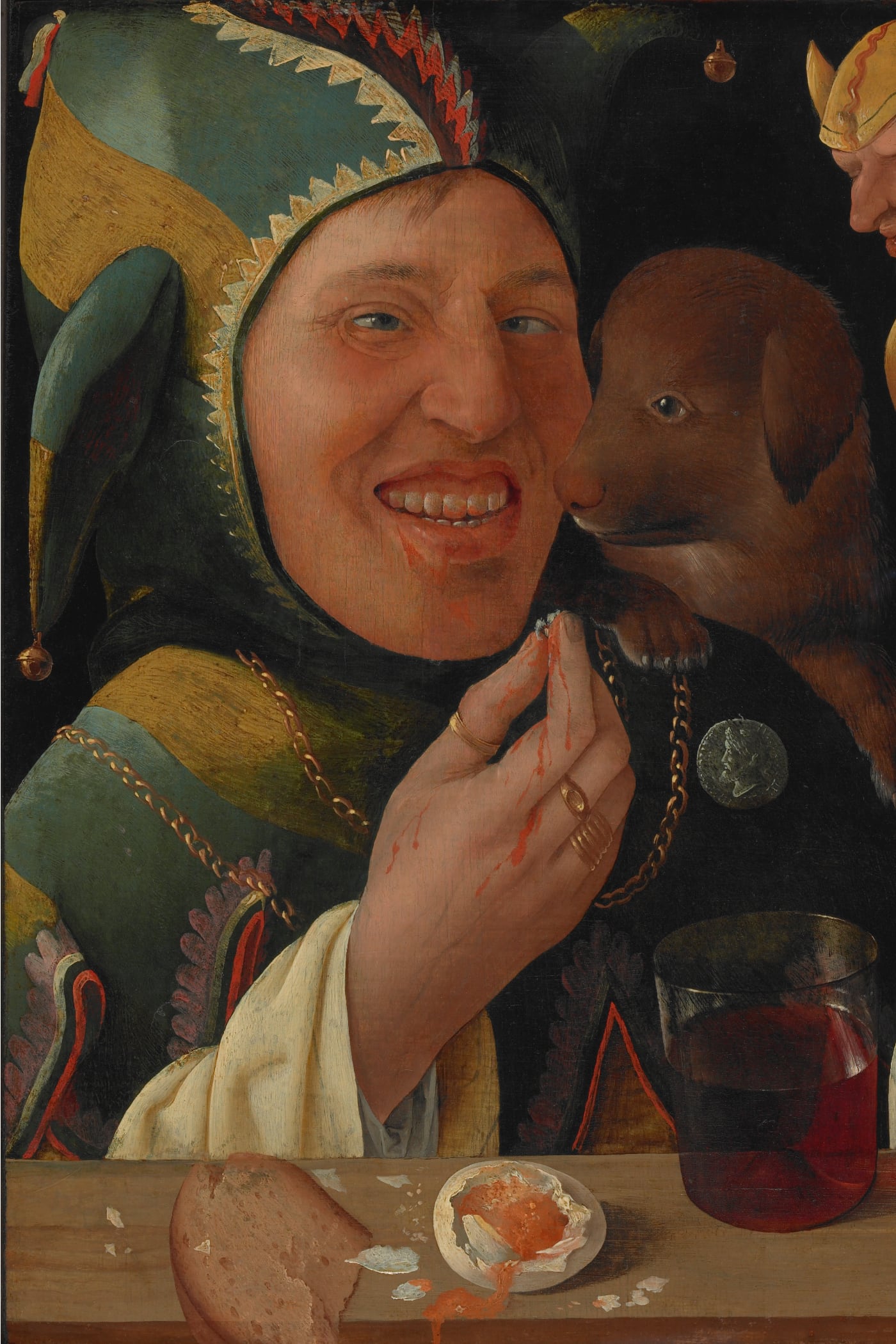
The Adventurous Simplicissimus
What is The Adventurous Simplicissimus about?
The Adventurous Simplicissimus (Der abenteuerliche Simplicissimus Teutsch, 1668) is a picaresque novel by Hans Jakob Christoffel von Grimmelshausen, widely regarded as the first major novel in the German literary tradition. The story follows Simplicissimus, a naive peasant boy whose rural idyll is shattered when marauding soldiers destroy his family's farm during the Thirty Years' War. Orphaned and displaced, he passes through a succession of social roles — hermit's ward, court fool, soldier, thief, hermit again — as he moves across a war-ravaged Central Europe. Grimmelshausen drew directly on his own wartime experiences to produce a vivid, often savage portrait of seventeenth-century Germany. The novel blends sardonic comedy with harrowing depictions of violence, plague, and moral collapse, using Simplicissimus's evolving perspective to chart the corruption that attaches to survival. Its episodic structure follows the picaresque tradition established by Spanish predecessors such as Lazarillo de Tormes, yet the work's satirical ambition and spiritual undertow give it a depth that transcends the genre. It remains the definitive literary document of the Thirty Years' War and a founding text of German prose fiction.
Main themes in The Adventurous Simplicissimus
War and civilian suffering
War and civilian suffering emerges as a defining element in The Adventurous Simplicissimus, shaping character development.
Social mobility and false nobility
In The Adventurous Simplicissimus, social mobility and false nobility provides a lens for understanding the story's core message.
Innocence and corruption
The Adventurous Simplicissimus thoughtfully explores innocence and corruption through its central conflicts.
Spiritual seeking and worldly disillusionment
The presence of spiritual seeking and worldly disillusionment in The Adventurous Simplicissimus connects readers to its enduring relevance.
Why The Adventurous Simplicissimus is still relevant today
Grimmelshausen's novel speaks directly to recurring questions about war's effect on civilian populations, the instability of social identity, and the psychology of survival. Written in the aftermath of a conflict that killed roughly a third of the German-speaking population, the book treats displacement, trauma, and moral compromise with an immediacy that resonates with modern readers familiar with contemporary war literature. Its satirical attack on false nobility and social pretension remains sharp. The novel also stands at the origin of a long German literary tradition — its influence reaches forward to Bertolt Brecht's Mother Courage and Her Children and beyond. Readers interested in the historical roots of European modernism, Baroque literature, or the literary representation of warfare will find Simplicissimus an essential reference point. The complete text is available to read free on TextStack.
Frequently Asked Questions
What is The Adventurous Simplicissimus about?
The Adventurous Simplicissimus follows a peasant boy who loses his family to soldiers during the Thirty Years' War and subsequently drifts through seventeenth-century German society in a series of roles — fool, soldier, thief, and hermit — observing and experiencing the violence, hypocrisy, and moral disorder of his age. It is both a picaresque adventure and a satirical critique of contemporary society.
Is The Adventurous Simplicissimus difficult to read?
The 1912 English translation by A.T.S. Goodrick preserves an archaic register that mirrors the Baroque original, which some readers find demanding. The episodic, chapter-by-chapter structure means it can be read in short sessions, and the darkly comic tone offsets much of the historical complexity. Readers with prior exposure to early modern prose generally find it accessible.
How long does it take to read The Adventurous Simplicissimus?
The main text runs to approximately 150,000 words, placing it in the range of a medium-length novel. At an average reading pace of 250 words per minute, most readers complete it in around ten hours. The full text is available free on TextStack, where you can track your reading progress chapter by chapter.
What are the main themes in The Adventurous Simplicissimus?
The novel's central themes include the destruction wrought by war on ordinary people, the hollowness of social rank and aristocratic pretension, the passage from innocence to worldly corruption, the tension between religious faith and material survival, and the psychological costs of adapting to a violent and unstable world.