The Argonautica
What is The Argonautica about?
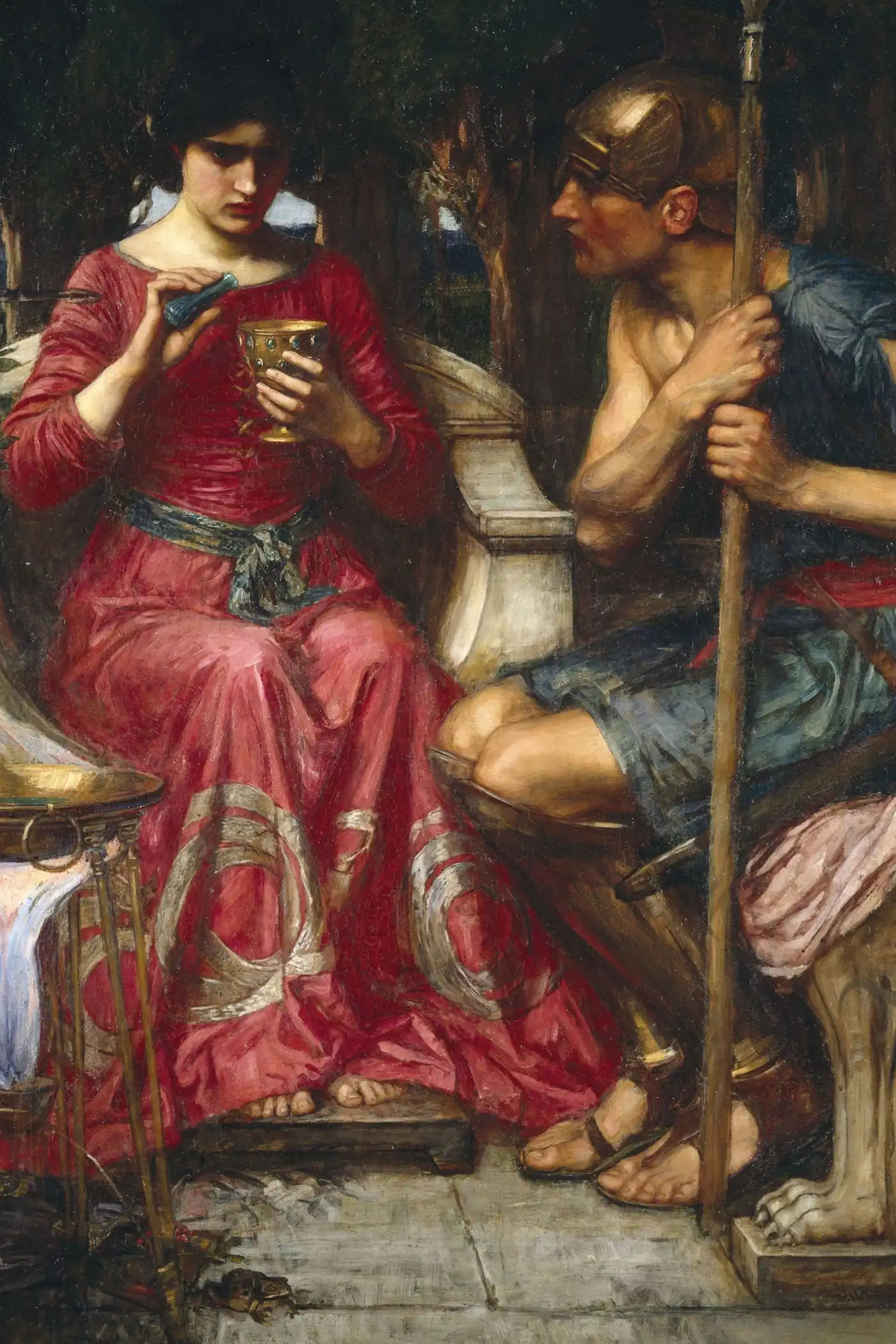
The Argonautica is the only surviving complete epic poem from the Hellenistic period, composed by Apollonius of Rhodes in the third century BCE. It narrates the voyage of Jason and the Argonauts from Iolcus to Colchis to retrieve the Golden Fleece, their encounters with monsters and marvels, and the passionate love of the sorceress Medea for Jason. Apollonius combines Homeric grandeur with a new psychological realism, particularly in his groundbreaking portrayal of Medea's inner turmoil—a depiction of romantic love so powerful it shaped Virgil's Dido and, through her, the entire tradition of Western love poetry.
Main themes in The Argonautica
Jason and the Argonauts
The presence of jason and the argonauts in The Argonautica connects readers to its enduring relevance.
Golden Fleece Quest
The theme of golden fleece quest weaves through The Argonautica, adding depth to its narrative.
Medea
Medea emerges as a defining element in The Argonautica, shaping character development.
Greek Mythology
The Argonautica thoughtfully explores greek mythology through its central conflicts.
Why The Argonautica is still relevant today
The Argonautica is essential for understanding the evolution of Western epic and the literary origins of romantic love as a literary subject. Its influence on Virgil and later poets makes it a key link in the chain of classical literature.
Frequently Asked Questions
What is the Argonautica about?
It tells the story of Jason and the Argonauts' epic voyage to retrieve the Golden Fleece, featuring encounters with gods, monsters, and the sorceress Medea.
Is the Argonautica difficult to read?
In a good translation, it is quite accessible—more fast-paced and emotionally engaging than much ancient epic. Available free on TextStack.
How does the Argonautica relate to other Greek myths?
It is the primary literary source for the Jason and Medea myth, connecting to the Trojan War cycle through shared heroes and themes.