The Black Opal
What is The Black Opal about?
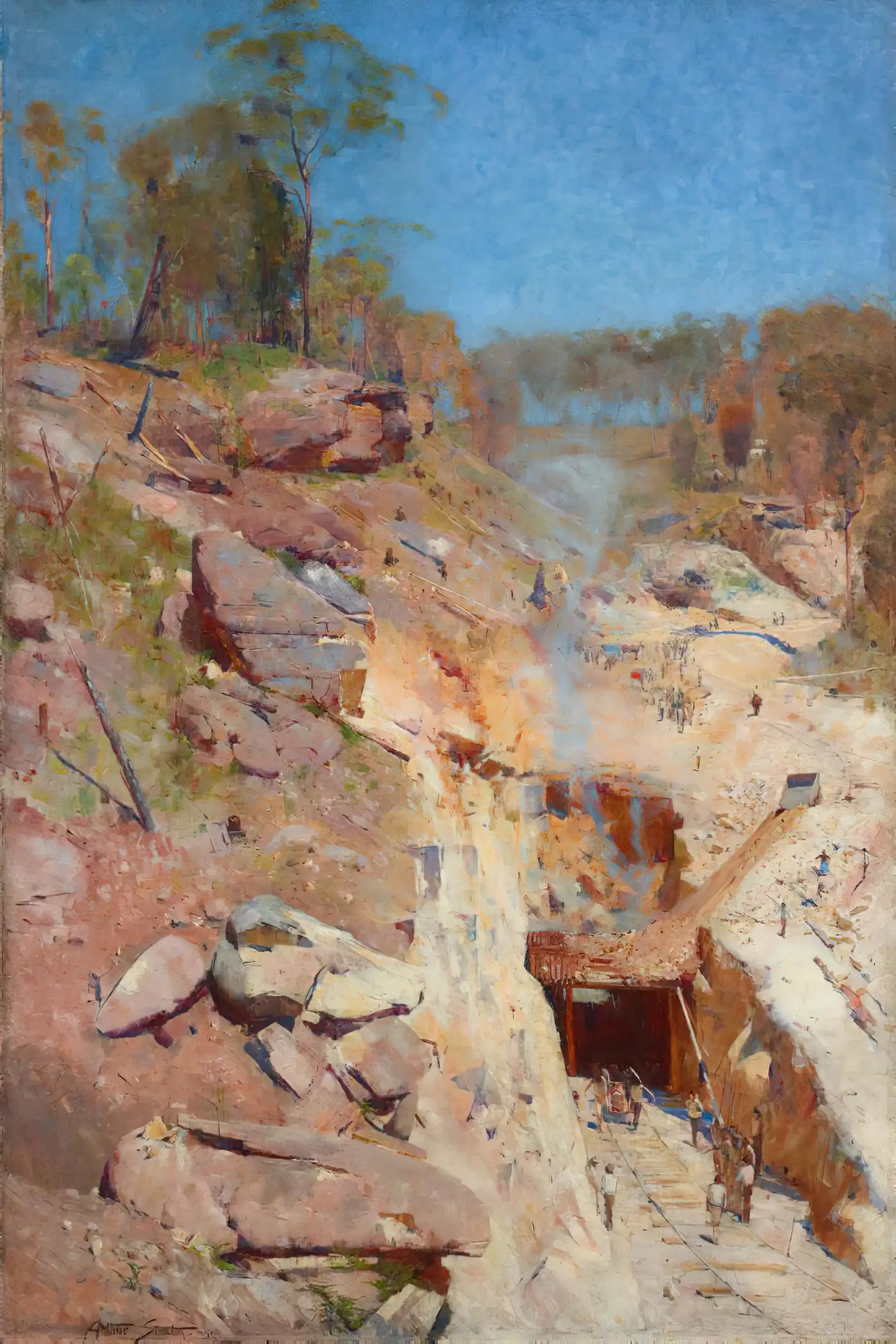
The Black Opal (1921) by Katharine Susannah Prichard is a novel set in the opal mining community of Doonga, based on Prichard’s experience living in Lightning Ridge, New South Wales. The story portrays the lives of opal miners—their hopes, rivalries, camaraderie, and the gambling fever that the unpredictable nature of opal mining inspires. At the center is the discovery of a magnificent black opal that tests the community’s values and relationships. Prichard captures the harsh beauty of the outback landscape and the distinctive culture of the mining camp with vivid authenticity, having lived among the miners to research her novel. The book explores themes of community versus individual ambition, the impact of wealth on human relationships, and the tension between the miners’ cooperative spirit and the capitalist forces that seek to exploit them. Prichard’s prose combines social realism with genuine affection for her characters and their world, creating a portrait of Australian working-class life that is both politically engaged and humanly compelling.
Main themes in The Black Opal
Opal mining
Opal mining emerges as a defining element in The Black Opal, shaping character development.
Australian outback
In The Black Opal, australian outback provides a lens for understanding the story's core message.
Working-class community
Working-class community emerges as a defining element in The Black Opal, shaping character development.
Social realism
The theme of social realism weaves through The Black Opal, adding depth to its narrative.
Why The Black Opal is still relevant today
The Black Opal is a vivid portrait of Australian mining culture, combining social realism with compelling characters and the harsh beauty of the outback. Its themes of community, ambition, and exploitation remain relevant.
Frequently Asked Questions
What is The Black Opal about?
Life in an opal mining community is disrupted when a magnificent black opal is discovered, testing relationships and values in a vivid portrait of Australian outback life.
Is this based on real experience?
Yes, Prichard lived in the Lightning Ridge opal mining community to research the novel, giving it vivid authenticity.
Can I read it online for free?
Yes, read The Black Opal for free on TextStack with a comfortable reading experience.