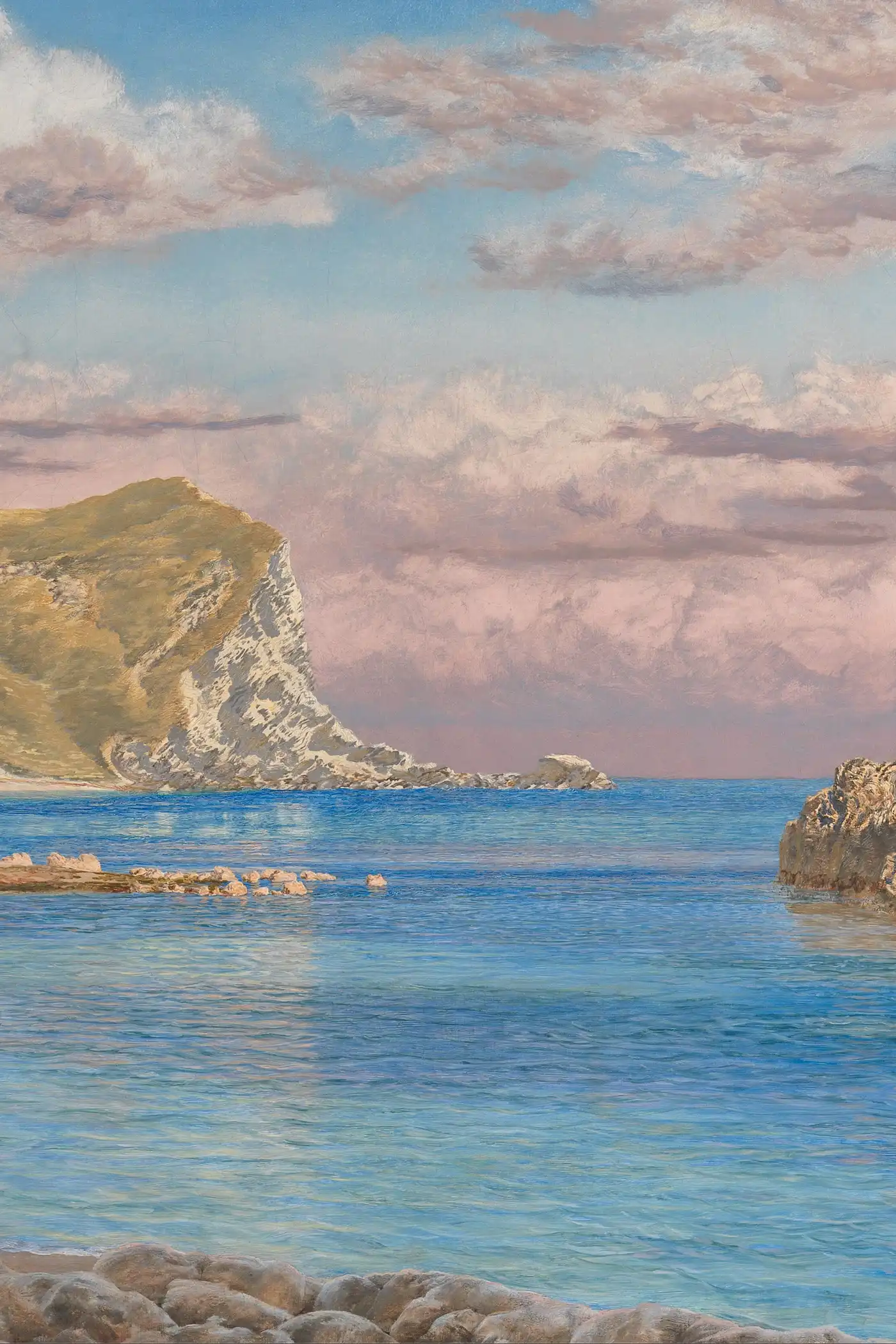
The Blue Lagoon
What is The Blue Lagoon about?
The Blue Lagoon (1908) is H. de Vere Stacpoole’s most famous novel, telling the story of two children, Dick and Emmeline, who are shipwrecked on a tropical Pacific island and grow up in complete isolation from civilization. As the years pass, the children learn to survive in their island paradise, developing their own relationship with nature and with each other. The novel traces their transformation from innocent children to adolescents who experience love, parenthood, and the fundamental human experiences without any social framework or guidance. Stacpoole draws on his extensive Pacific travels to create a lushly detailed island setting that functions as both paradise and prison. The novel explores profound questions about human nature stripped of social conditioning—whether civilization is essential to human development or a corruption of natural innocence. Its themes of Edenic isolation, the awakening of sexuality, and the tension between nature and culture have made it enduringly fascinating and controversial. The Blue Lagoon has been adapted into several films and remains one of the most recognized island narratives in popular culture.
Main themes in The Blue Lagoon
Island survival
The theme of island survival weaves through The Blue Lagoon, adding depth to its narrative.
Nature vs. civilization
The theme of nature vs. civilization weaves through The Blue Lagoon, adding depth to its narrative.
Innocence and awakening
In The Blue Lagoon, innocence and awakening provides a lens for understanding the story's core message.
Tropical paradise
Tropical paradise emerges as a defining element in The Blue Lagoon, shaping character development.
Why The Blue Lagoon is still relevant today
The Blue Lagoon’s exploration of human nature in isolation from civilization raises questions about innocence, instinct, and the necessity of social structures that continue to fascinate readers. Its enduring popularity through multiple film adaptations testifies to the power of its central premise.
Frequently Asked Questions
What is The Blue Lagoon about?
Two children shipwrecked on a tropical Pacific island grow up in isolation, experiencing love, parenthood, and fundamental human experiences without civilization’s guidance.
Has The Blue Lagoon been adapted into films?
Yes, it has been adapted into several films, most famously the 1980 version starring Brooke Shields, keeping the story in popular culture for over a century.
Can I read The Blue Lagoon online for free?
Yes, read the complete text for free on TextStack with a distraction-free reading experience.