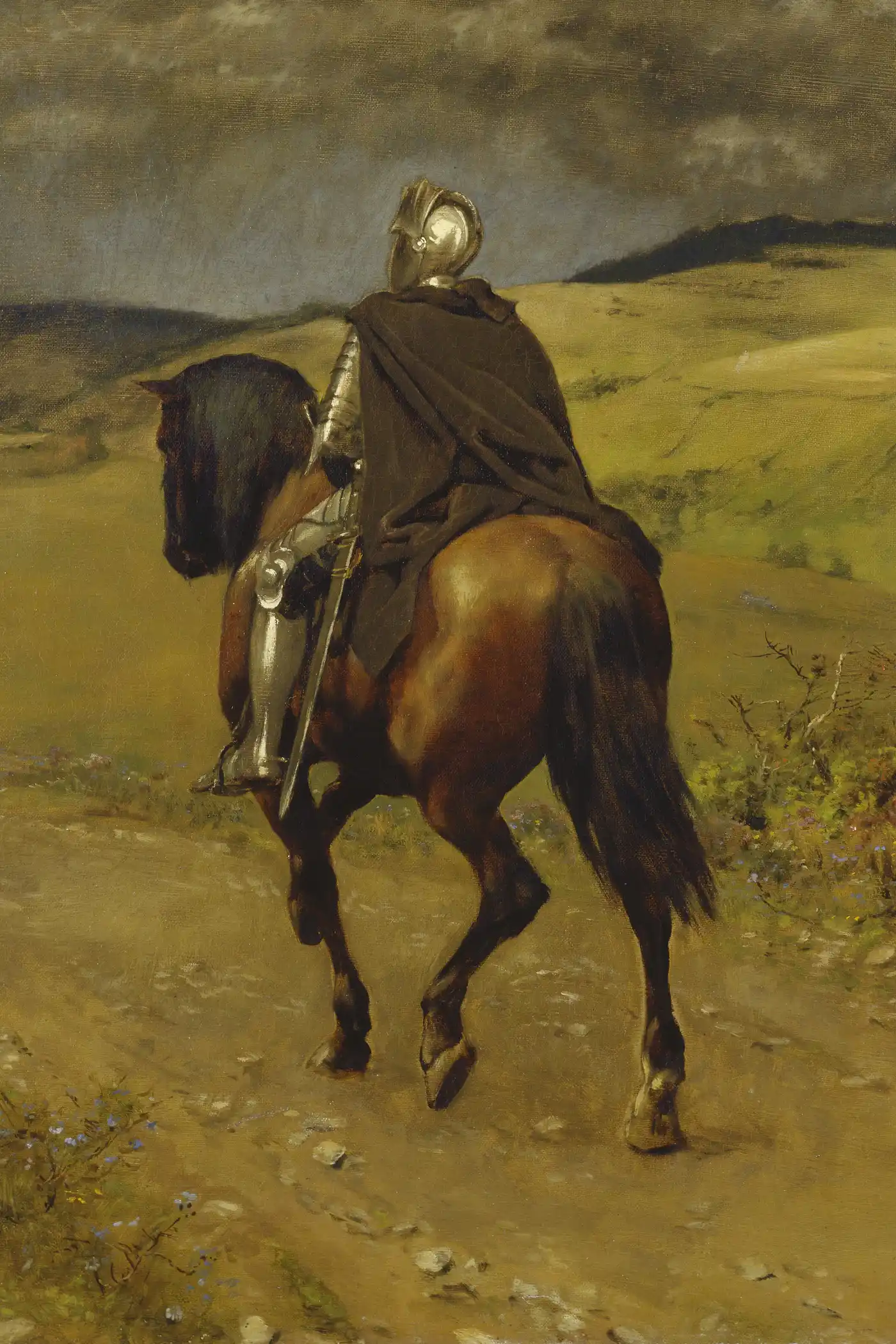
The Canterbury Tales
What is The Canterbury Tales about?
The Canterbury Tales (c. 1387–1400) is Geoffrey Chaucer's masterwork and the most important work of literature in Middle English. A group of thirty pilgrims traveling from Southwark to Canterbury Cathedral agree to tell stories to pass the time, creating a panoramic portrait of medieval English society. The pilgrims range from a noble Knight to a bawdy Wife of Bath, from a corrupt Pardoner to a saintly Parson, and their tales—romance, fable, bawdy comedy, sermon, and satire—are equally varied. Chaucer's genius lies in matching each tale to its teller, creating a work that is simultaneously a story collection and a profound study of human nature.
Main themes in The Canterbury Tales
Medieval Pilgrimage
In The Canterbury Tales, medieval pilgrimage provides a lens for understanding the story's core message.
Story Collection
Story Collection emerges as a defining element in The Canterbury Tales, shaping character development.
Social Panorama
The Canterbury Tales thoughtfully explores social panorama through its central conflicts.
Wife of Bath
The Canterbury Tales thoughtfully explores wife of bath through its central conflicts.
Why The Canterbury Tales is still relevant today
The Canterbury Tales is the foundation of English literature. Its gallery of characters and stories created templates for narrative fiction that writers still follow today.
Frequently Asked Questions
What are The Canterbury Tales about?
Pilgrims traveling to Canterbury tell stories ranging from chivalric romance to bawdy comedy, creating a panorama of medieval society.
Can I read this in modern English?
The TextStack version makes Chaucer accessible. While Middle English takes adjustment, many readers find it surprisingly enjoyable.
Where can I read The Canterbury Tales online?
You can read it free on TextStack.