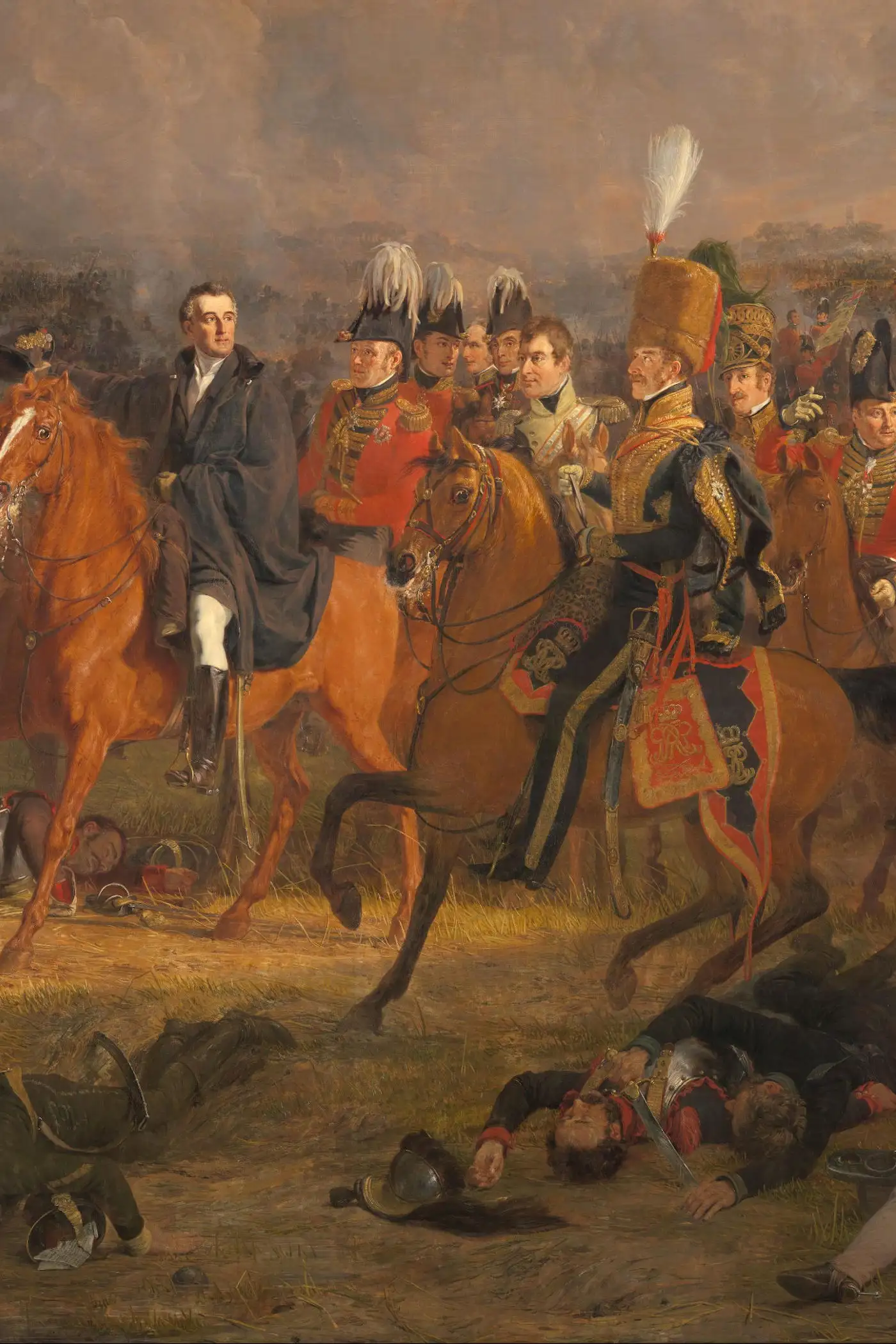
The Charterhouse of Parma
What is The Charterhouse of Parma about?
The Charterhouse of Parma (La Chartreuse de Parme, 1839) is Stendhal’s magnificent novel of passion, politics, and adventure in post-Napoleonic Italy. The story follows Fabrice del Dongo, a young Italian nobleman inspired by Napoleon, through his adventures at the Battle of Waterloo, his romantic entanglements, political intrigues at the court of Parma, and his eventual retreat to a charterhouse. Around him orbit the brilliant, manipulative Duchess Sanseverina and the calculating Count Mosca. Stendhal wrote the novel in just fifty-two days, creating a work that Balzac hailed as a masterpiece and that remains one of the supreme achievements of French fiction.
Main themes in The Charterhouse of Parma
Napoleonic era
In The Charterhouse of Parma, napoleonic era provides a lens for understanding the story's core message.
Italian politics
The theme of italian politics weaves through The Charterhouse of Parma, adding depth to its narrative.
Romantic passion
In The Charterhouse of Parma, romantic passion provides a lens for understanding the story's core message.
Political intrigue
The Charterhouse of Parma thoughtfully explores political intrigue through its central conflicts.
Why The Charterhouse of Parma is still relevant today
The Charterhouse of Parma is one of the greatest European novels. Its blend of romantic passion, political intrigue, and psychological insight offers a reading experience that has captivated readers for nearly two centuries.
Frequently Asked Questions
What is The Charterhouse of Parma about?
A young Italian nobleman’s adventures through war, love, and political intrigue in post-Napoleonic Italy, culminating in spiritual retreat.
Is The Charterhouse of Parma difficult to read?
Stendhal’s prose is clear and fast-moving. The political intrigues and romantic passions make it an engaging, rewarding read.
How does it compare to The Red and the Black?
Both are psychological masterpieces, but The Charterhouse is warmer, more adventurous, and set against a broader Italian canvas.
Where can I read The Charterhouse of Parma free?
You can read the full text free on TextStack.