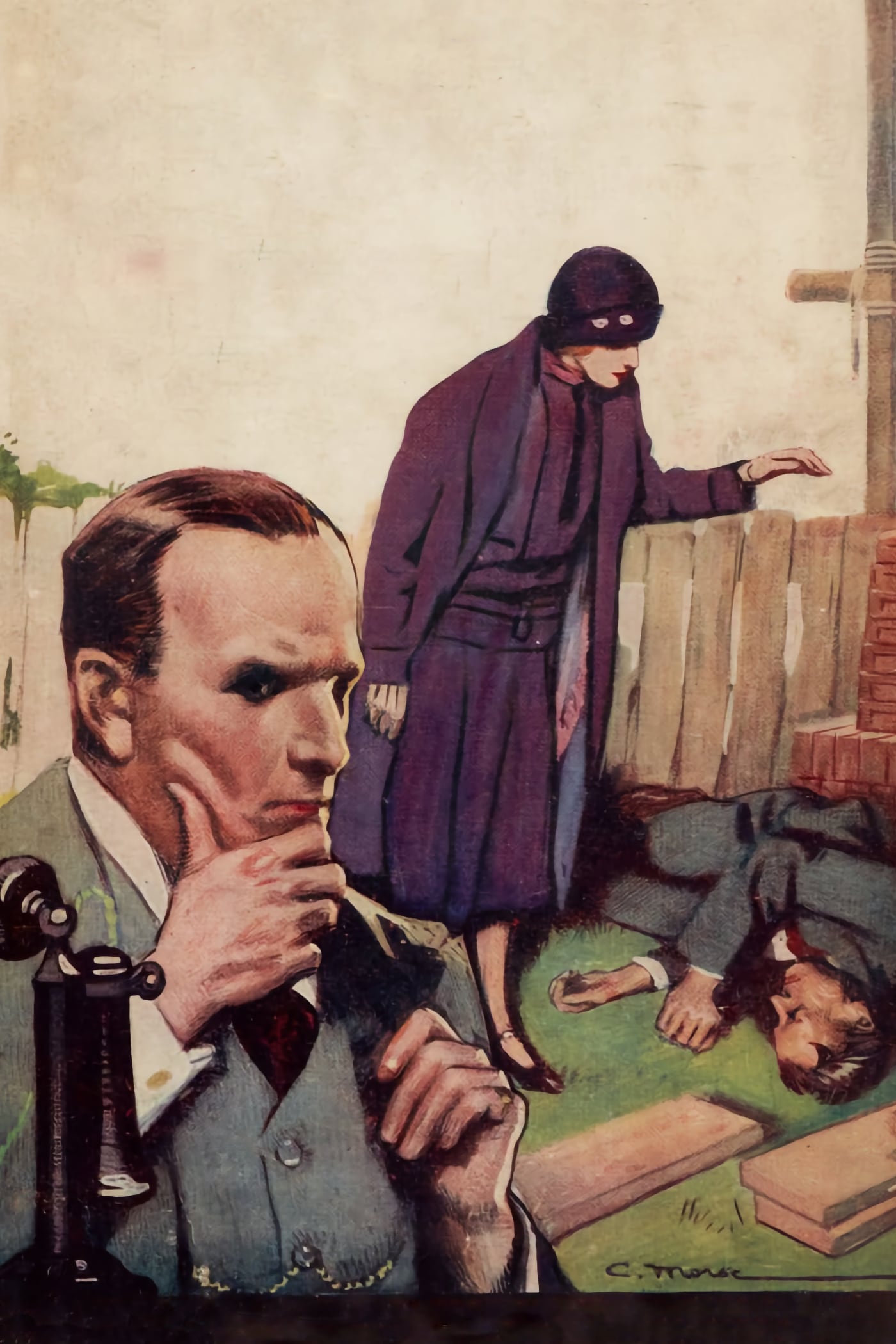
The Cheyne Mystery
What is The Cheyne Mystery about?
The Cheyne Mystery (1926) by Freeman Wills Crofts follows Maxwell Cheyne, a young gentleman of leisure whose life is upended after a suspicious encounter at a Plymouth hotel leaves him drugged and robbed. Refusing to accept the incident as mere misfortune, Cheyne embarks on a private investigation that draws him into a web of criminal conspiracy involving smuggling, deception, and hidden identities operating along the English coast and beyond. Unlike Crofts's celebrated Inspector French novels, The Cheyne Mystery places an ordinary civilian at the center of the investigation, grounding the narrative in the perspective of someone who must reason through danger without professional training or authority. Crofts applies his characteristically precise, methodical approach to plot construction, building tension through logical deduction and the incremental dismantling of alibis rather than sensational action. Published during the Golden Age of detective fiction, the novel reflects the era's fascination with the mechanics of crime and its solution. Crofts's reputation rested on his ability to construct genuinely fair puzzles, and The Cheyne Mystery adheres to that standard, rewarding attentive readers with clues embedded throughout the narrative. The book stands as a representative work of interwar British crime fiction, demonstrating Crofts's craftsmanship in pacing, misdirection, and the satisfying resolution of a tightly plotted mystery.
Main themes in The Cheyne Mystery
Amateur detection and self-reliance
The presence of amateur detection and self-reliance in The Cheyne Mystery connects readers to its enduring relevance.
Criminal conspiracy and organized crime
Criminal conspiracy and organized crime emerges as a defining element in The Cheyne Mystery, shaping character development.
Coastal smuggling networks
The Cheyne Mystery thoughtfully explores coastal smuggling networks through its central conflicts.
Trust and institutional skepticism
Trust and institutional skepticism emerges as a defining element in The Cheyne Mystery, shaping character development.
Why The Cheyne Mystery is still relevant today
The Cheyne Mystery remains relevant as an example of Golden Age detective fiction's commitment to fair-play plotting and rational problem-solving. In an era of complex thriller narratives and unreliable narrators, Crofts's transparent, methodical style offers readers a clear-eyed puzzle-solving experience. The novel's themes of institutional mistrust—Cheyne investigates partly because he doubts authorities will act effectively on his behalf—resonate with contemporary skepticism toward official channels. Its coastal smuggling network anticipates modern concerns about cross-border criminal enterprise. For readers exploring the history of crime fiction, The Cheyne Mystery illustrates the civilian investigator archetype that would influence countless later protagonists. Crofts's influence on writers including Agatha Christie and Edmund Crispin gives the novel historical significance within the genre's development.
More by this author





Frequently Asked Questions
What is The Cheyne Mystery about?
The Cheyne Mystery follows Maxwell Cheyne, a young Englishman who is drugged and robbed at a Plymouth hotel and subsequently investigates the criminal network responsible. The novel traces his private inquiry through deception, smuggling operations, and dangerous encounters as he works to uncover the truth without the aid of professional law enforcement.
Is The Cheyne Mystery difficult to read?
The novel is accessible to general readers familiar with classic crime fiction. Freeman Wills Crofts writes in a clear, methodical prose style typical of the Golden Age period. The plot rewards careful attention, as clues are embedded throughout, but the narrative does not rely on specialized knowledge or complex vocabulary.
How long does it take to read The Cheyne Mystery?
The Cheyne Mystery is a novel of moderate length, typically running around 280 to 300 pages in standard editions. At an average reading pace of 250 words per minute, most readers complete it in seven to ten hours. The full text is available to read free on TextStack, with reading progress saved automatically.
What are the main themes in The Cheyne Mystery?
The central themes include amateur detection and self-reliance, organized criminal conspiracy, coastal smuggling, and the tension between rational deduction and circumstantial uncertainty. The novel also examines mistrust of official institutions, as Cheyne's investigation is driven partly by doubt that authorities will pursue his case adequately.