The Coming of Bill
What is The Coming of Bill about?
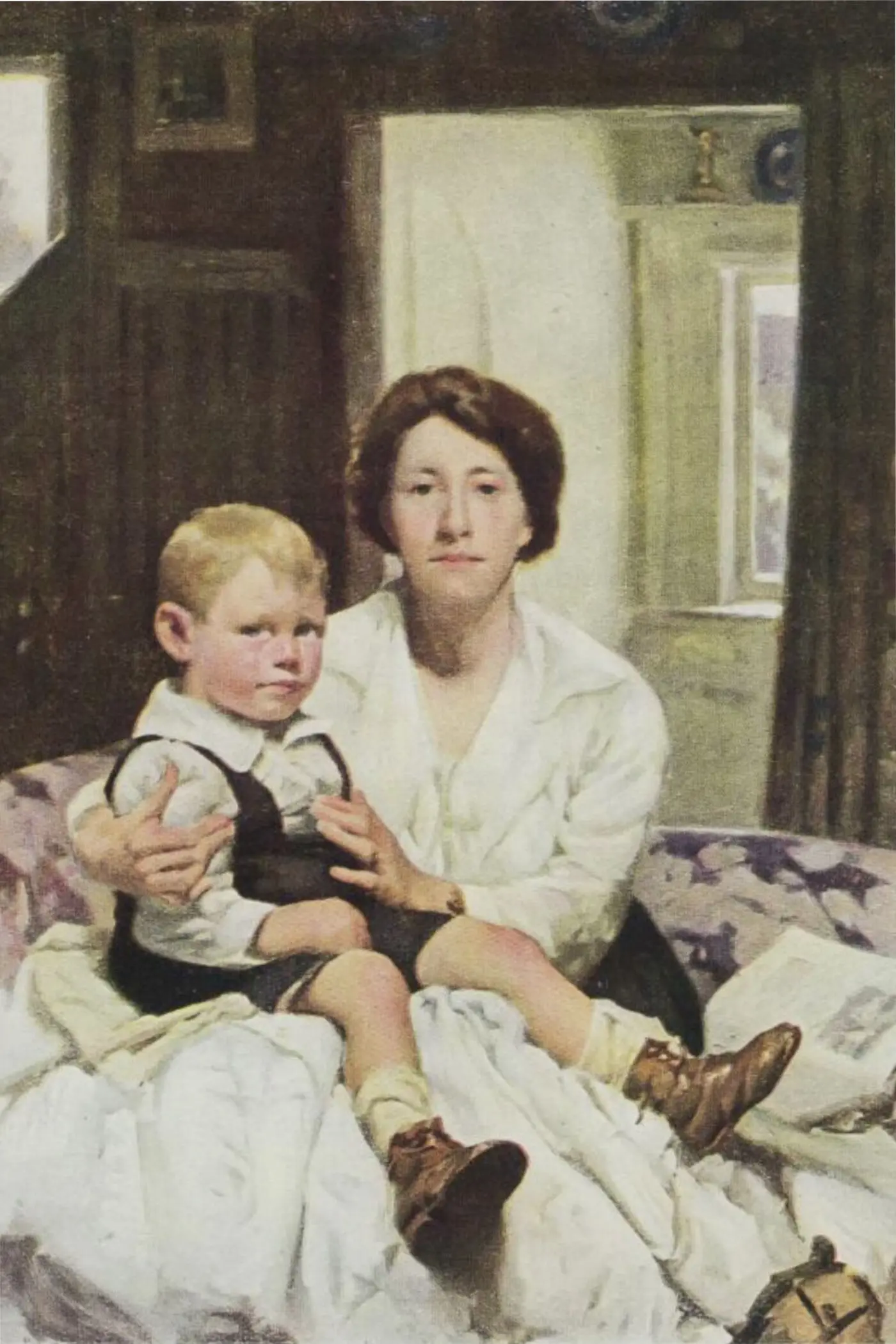
The Coming of Bill (1920), published in America as Their Mutual Child, is a P. G. Wodehouse novel that ventures into unusually domestic territory. The story follows the marriage of Kirk Winfield and Ruth Bannister, a young couple whose happiness is disrupted by the arrival of their child, Bill, and by the conflicting philosophies of how to raise him. Ruth's formidable aunt Lora Bates, a devotee of scientific child-rearing, takes control of baby Bill's upbringing with a regime of strict hygiene, controlled diet, and minimal affection. Kirk watches helplessly as his wife falls under her aunt's influence and their marriage deteriorates. The novel charts Kirk's struggle to reclaim his family from the tyranny of pseudo-scientific parenting advice, with the help of various colorful characters including a boxing trainer and a former showgirl. While more sentimental than Wodehouse's typical farces, the book contains his characteristic wit and several brilliantly funny scenes. It offers a surprisingly perceptive comedy about the tensions that child-rearing can introduce into a marriage.
Main themes in The Coming of Bill
Parenting philosophies in conflict
The theme of parenting philosophies in conflict weaves through The Coming of Bill, adding depth to its narrative.
Marriage under strain
Marriage under strain emerges as a defining element in The Coming of Bill, shaping character development.
Pseudo-scientific fads
In The Coming of Bill, pseudo-scientific fads provides a lens for understanding the story's core message.
Family power dynamics
In The Coming of Bill, family power dynamics provides a lens for understanding the story's core message.
Why The Coming of Bill is still relevant today
The Coming of Bill offers a different facet of Wodehouse's talent, blending his comedy with domestic drama and surprisingly pointed satire of faddish parenting philosophies. Its themes of marital strain and the battle over child-rearing methods feel remarkably contemporary. The novel shows Wodehouse's range extends beyond pure farce into comedy that engages with real emotional stakes. For readers interested in exploring the full scope of his work beyond the Jeeves and Blandings stories, The Coming of Bill provides a rewarding and unexpected experience.
More by this author


Frequently Asked Questions
What is The Coming of Bill about?
A young couple's marriage is strained when a domineering aunt imposes a regime of scientific child-rearing on their baby, and the father must fight to reclaim his family from her influence.
Is this a typical Wodehouse comedy?
It is more domestic and sentimental than his usual farces, though it retains his characteristic wit and humor. It engages with real emotional stakes around marriage and parenting.
Why does this book have two titles?
It was published as The Coming of Bill in Britain and Their Mutual Child in America.
When was The Coming of Bill published?
The novel was published in 1920.