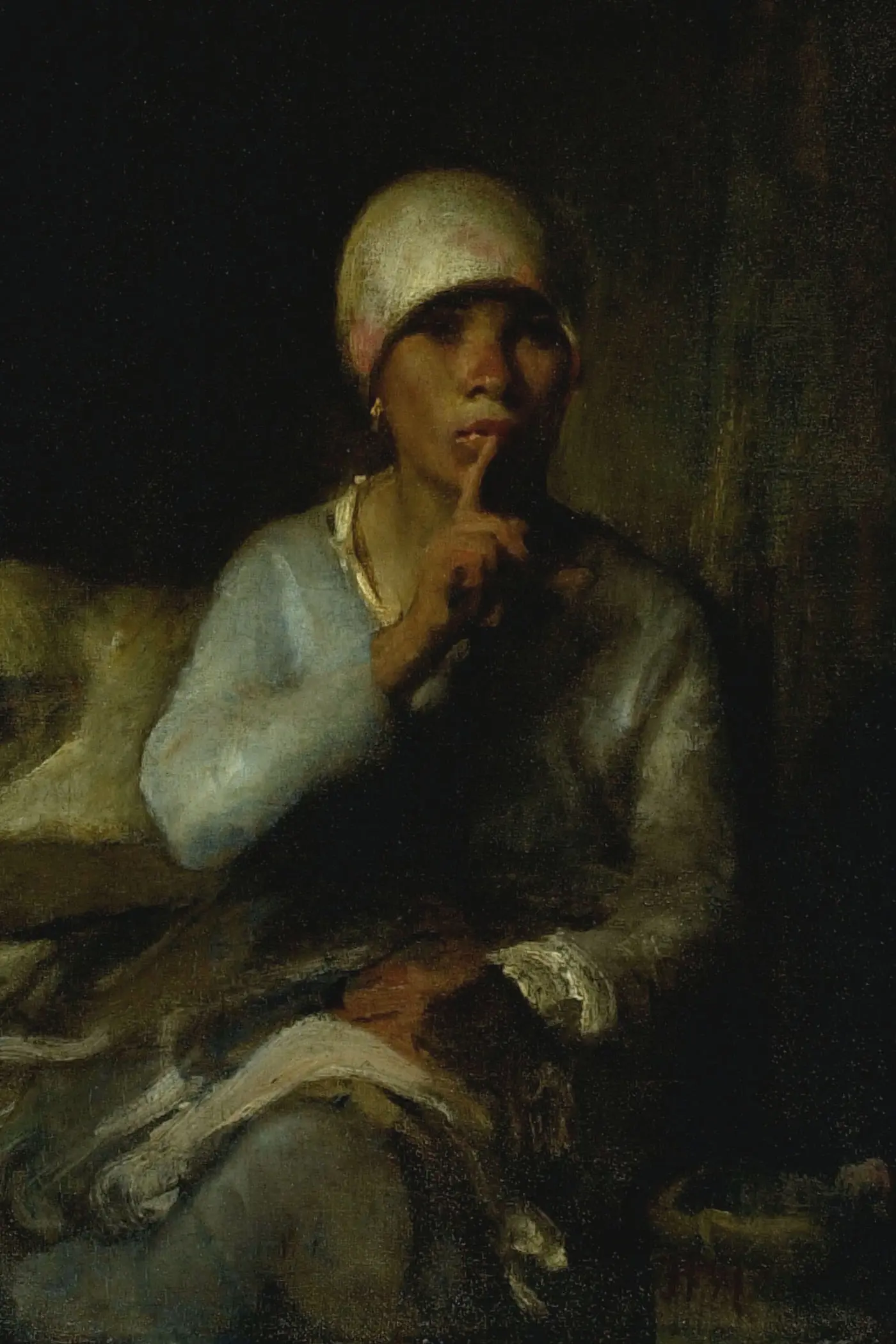
The Conjure Woman
What is The Conjure Woman about?
The Conjure Woman (1899) is Charles W. Chesnutt’s groundbreaking short story collection, using a frame narrative in which Julius McAdoo, a formerly enslaved man, tells tales of conjuring and magic to a white Northern couple who have purchased a plantation in North Carolina. Through Julius’s stories of transformation, enchantment, and trickery, Chesnutt explores the dehumanization of slavery, the resilience of enslaved people, and the continuing racial tensions of the post-Reconstruction South. The collection’s sophisticated use of dialect and folklore masks sharp social commentary, making it a landmark of African American literature.
Main themes in The Conjure Woman
African American folklore
African American folklore emerges as a defining element in The Conjure Woman, shaping character development.
Slavery legacy
Slavery legacy emerges as a defining element in The Conjure Woman, shaping character development.
Frame narrative
The Conjure Woman thoughtfully explores frame narrative through its central conflicts.
Conjuring and magic
The theme of conjuring and magic weaves through The Conjure Woman, adding depth to its narrative.
Why The Conjure Woman is still relevant today
The Conjure Woman is a pioneering work of African American fiction that uses folklore to address the legacy of slavery. Its narrative sophistication and social insight influenced the Harlem Renaissance and beyond.
More by this author
Frequently Asked Questions
What is The Conjure Woman about?
A collection of stories told by a formerly enslaved man, using tales of magic and conjuring to explore the dehumanization of slavery and racial tensions in the post-Reconstruction South.
Is it a novel or short stories?
It is a short story collection linked by a frame narrative, with recurring characters and themes.
Is the dialect difficult?
Chesnutt uses African American dialect for Julius’s narration, which adds authenticity. Most readers adjust quickly.
Can I read it free?
Yes, the complete collection is available free on TextStack.