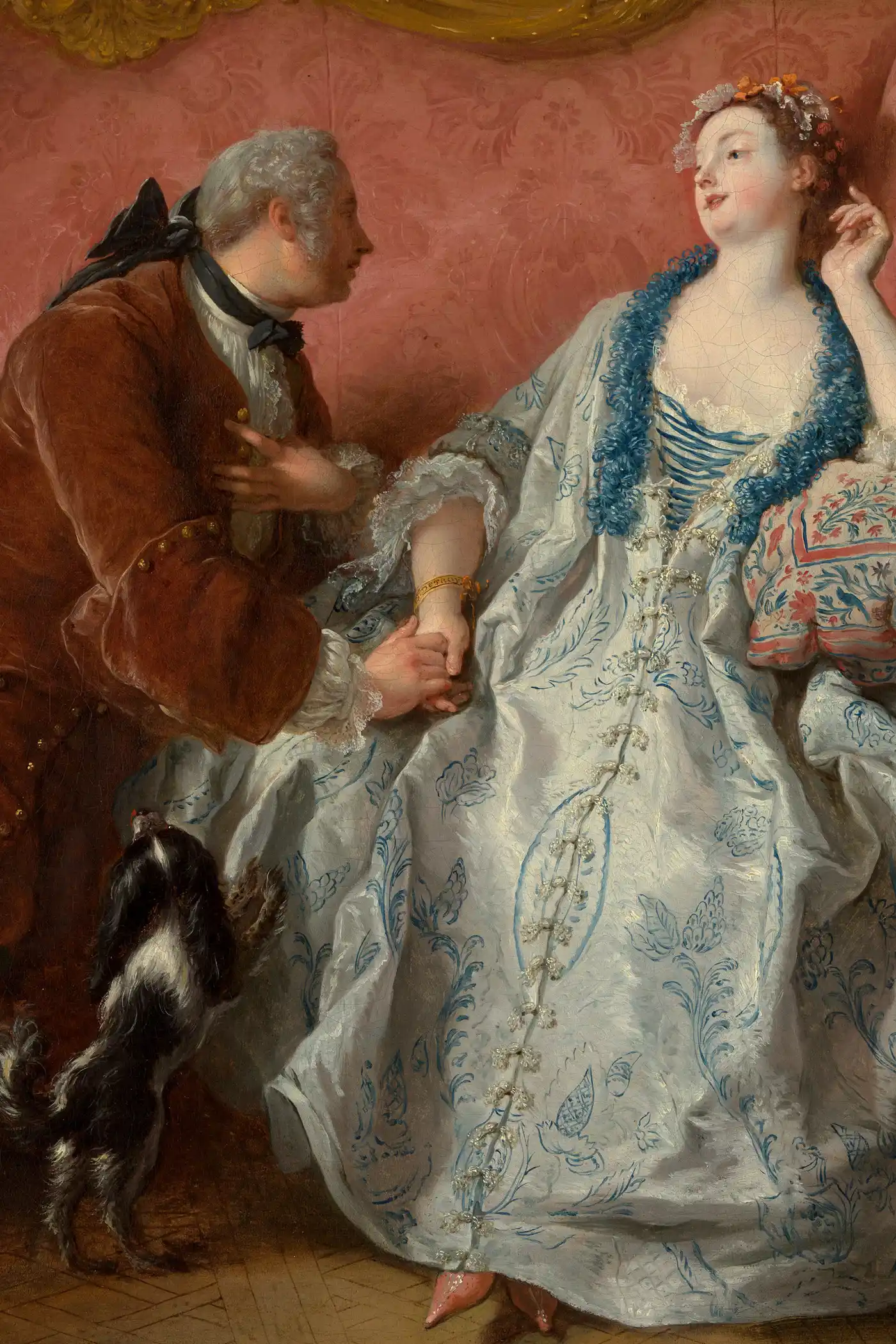
The Conscious Lovers
What is The Conscious Lovers about?
The Conscious Lovers (1722) is Sir Richard Steele’s most important play, a landmark in the development of sentimental comedy that deliberately rejected the cynical wit of Restoration drama in favor of moral earnestness and emotional appeal. Young Bevil Junior, the "conscious" (conscientious) lover, must navigate between his duty to his father, who wishes him to marry the wealthy Lucinda, and his secret devotion to Indiana, a virtuous young woman of mysterious origins. The play’s characters are models of sensibility and virtue: they weep, they feel, they do the right thing after genuine moral struggle. Steele intended the play as a moral exemplar—showing that comedy could promote virtue rather than laugh at vice—and it was enormously successful, running for eighteen consecutive nights and remaining popular throughout the 18th century. The Conscious Lovers is essential for understanding the shift from Restoration comedy’s cynicism to the sentimental drama that would dominate 18th-century English theater.
Main themes in The Conscious Lovers
Sentimental Comedy
The theme of sentimental comedy weaves through The Conscious Lovers, adding depth to its narrative.
Virtue and Feeling
Virtue and Feeling emerges as a defining element in The Conscious Lovers, shaping character development.
18th-Century Theater
The Conscious Lovers thoughtfully explores 18th-century theater through its central conflicts.
Duty and Love
In The Conscious Lovers, duty and love provides a lens for understanding the story's core message.
Why The Conscious Lovers is still relevant today
The Conscious Lovers marks a crucial turning point in English drama: the shift from cynical Restoration comedy to sentimental drama that valued feeling and virtue. Its influence on 18th-century theater and the development of the novel of sensibility was profound.
Frequently Asked Questions
What is The Conscious Lovers about?
A virtuous young man navigates between family duty and secret love, in a comedy that promotes moral feeling over cynical wit. Read it free on TextStack.
Why is this play historically important?
It pioneered sentimental comedy, deliberately replacing Restoration cynicism with moral earnestness and emotional appeal, influencing 18th-century drama and the novel of sensibility.
Is The Conscious Lovers difficult to read?
The language is accessible 18th-century English, and the moral dilemmas and romantic plot are easy to follow. The play rewards readers interested in theater history.
How does this compare to Restoration comedy?
Where Restoration comedies celebrated wit and sexual freedom, The Conscious Lovers promotes virtue, duty, and genuine feeling—marking a fundamental shift in English dramatic sensibility.