The Coral Island
What is The Coral Island about?
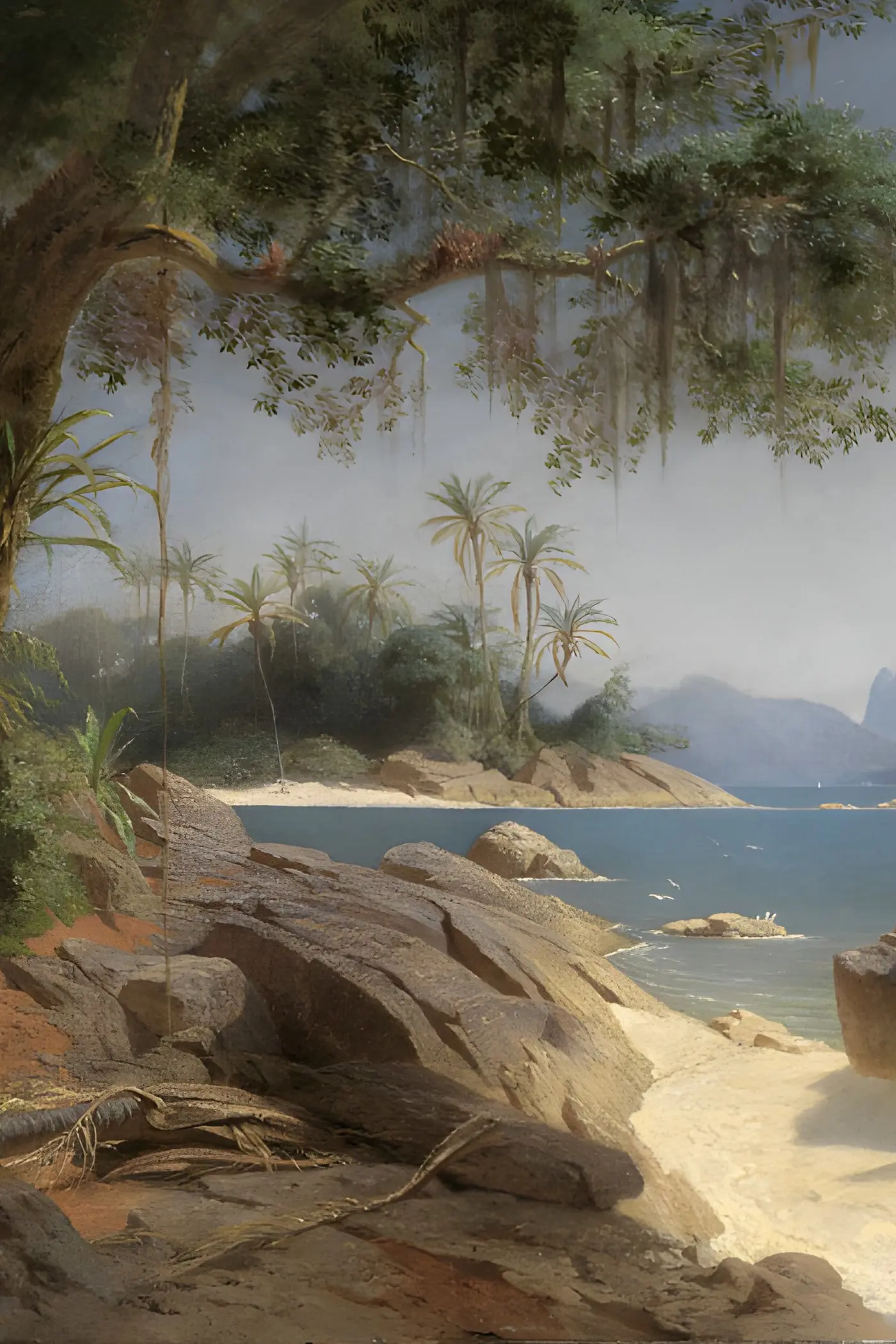
The Coral Island (1857) is R. M. Ballantyne’s most famous novel, a castaway adventure that became one of the defining works of Victorian juvenile fiction. Three British boys—Ralph Rover, Jack Martin, and Peterkin Gay—are shipwrecked on a South Pacific island where they must survive using their wits, courage, and knowledge. Unlike later, darker treatments of the theme, Ballantyne’s boys thrive: they build shelters, find food, explore the island’s wonders, and face dangers including sharks and pirates with resourcefulness and pluck. The novel embodies Victorian ideals of masculine virtue, Christian faith, and British superiority, presenting the boys as natural colonizers who bring order to their tropical paradise. This idealized vision became so iconic that William Golding wrote Lord of the Flies as a deliberate subversion, imagining what would really happen to boys stranded without adult authority. The Coral Island remains essential reading both as a thrilling adventure and as the text against which Golding’s masterpiece must be understood.
Main themes in The Coral Island
Castaway Adventure
Castaway Adventure emerges as a defining element in The Coral Island, shaping character development.
Victorian Boys’ Fiction
Victorian Boys’ Fiction emerges as a defining element in The Coral Island, shaping character development.
South Pacific
The Coral Island thoughtfully explores south pacific through its central conflicts.
Survival and Resourcefulness
In The Coral Island, survival and resourcefulness provides a lens for understanding the story's core message.
Why The Coral Island is still relevant today
The Coral Island is essential for understanding both Victorian adventure fiction and its 20th-century subversion in Lord of the Flies. Reading both together reveals how fundamentally ideas about childhood, civilization, and human nature changed between the Victorian era and the mid-20th century.
Frequently Asked Questions
What is The Coral Island about?
Three British boys shipwrecked on a South Pacific island survive through courage and resourcefulness, facing sharks, pirates, and tropical dangers. Read it free on TextStack.
Why should I read this before Lord of the Flies?
Golding wrote Lord of the Flies as a direct response to The Coral Island’s optimistic vision. Reading both reveals a fundamental shift in how we understand childhood and civilization.
Is The Coral Island difficult to read?
The prose is accessible Victorian English, and the adventure story is genuinely exciting. Young readers and adults both enjoy it as a classic castaway tale.
Is the novel still enjoyable today?
As adventure fiction, it remains exciting. Readers should note its Victorian assumptions about race and empire, which provide historical context rather than diminishing the story’s entertainment value.