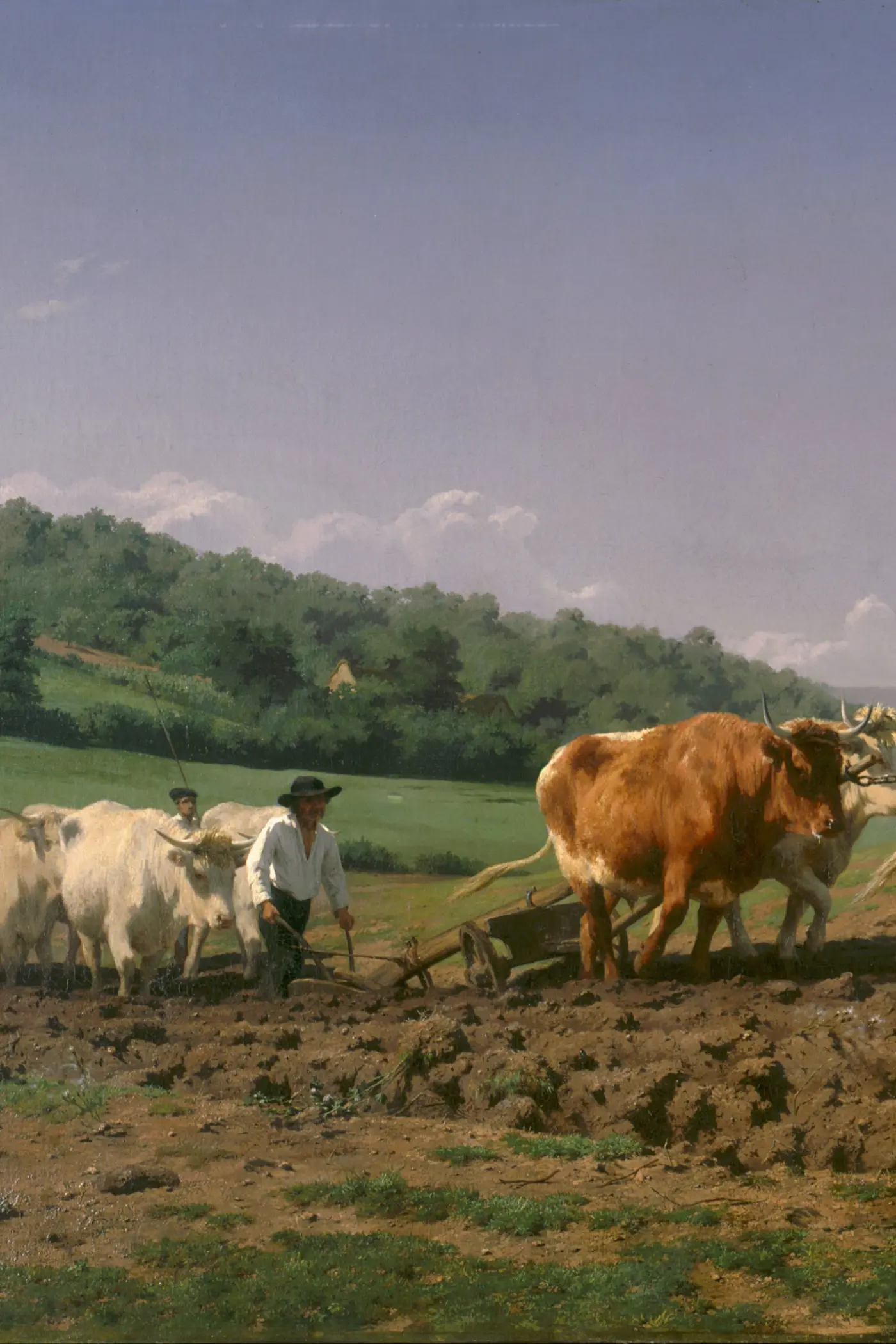
The Devil’s Pool
What is The Devil’s Pool about?
The Devil’s Pool (1846) is George Sand’s pastoral masterpiece, a simple, lyrical love story set among the peasants of Berry, France. Germain, a young widowed farmer, is persuaded to seek a new wife for the sake of his children. On his journey with little Marie, a sixteen-year-old shepherdess accompanying him, he gradually realizes that his true match is the gentle, capable girl beside him. The novel celebrates rural life, honest labor, and natural virtue. Written as a conscious antidote to the ugliness of urban industrial life, it is one of the purest expressions of pastoral idealism in French literature.
Main themes in The Devil’s Pool
Pastoral fiction
The Devil’s Pool thoughtfully explores pastoral fiction through its central conflicts.
Rural France
Rural France emerges as a defining element in The Devil’s Pool, shaping character development.
Love story
The theme of love story weaves through The Devil’s Pool, adding depth to its narrative.
Peasant life
The presence of peasant life in The Devil’s Pool connects readers to its enduring relevance.
Why The Devil’s Pool is still relevant today
The Devil’s Pool is a classic of French pastoral fiction, celebrating the beauty and virtue of rural life. Its simplicity and lyricism have made it enduringly popular.
More by this author

Frequently Asked Questions
What is The Devil’s Pool about?
A young widowed farmer on a journey to find a new wife gradually realizes his true love is the gentle shepherdess traveling beside him.
Is it a romance?
A gentle, pastoral romance celebrating rural life, honest labor, and natural virtue.
Is it short?
Yes, it is a brief, lyrical novel that can be read in a single sitting.
Can I read it free online?
Yes, the complete novel is available free on TextStack.