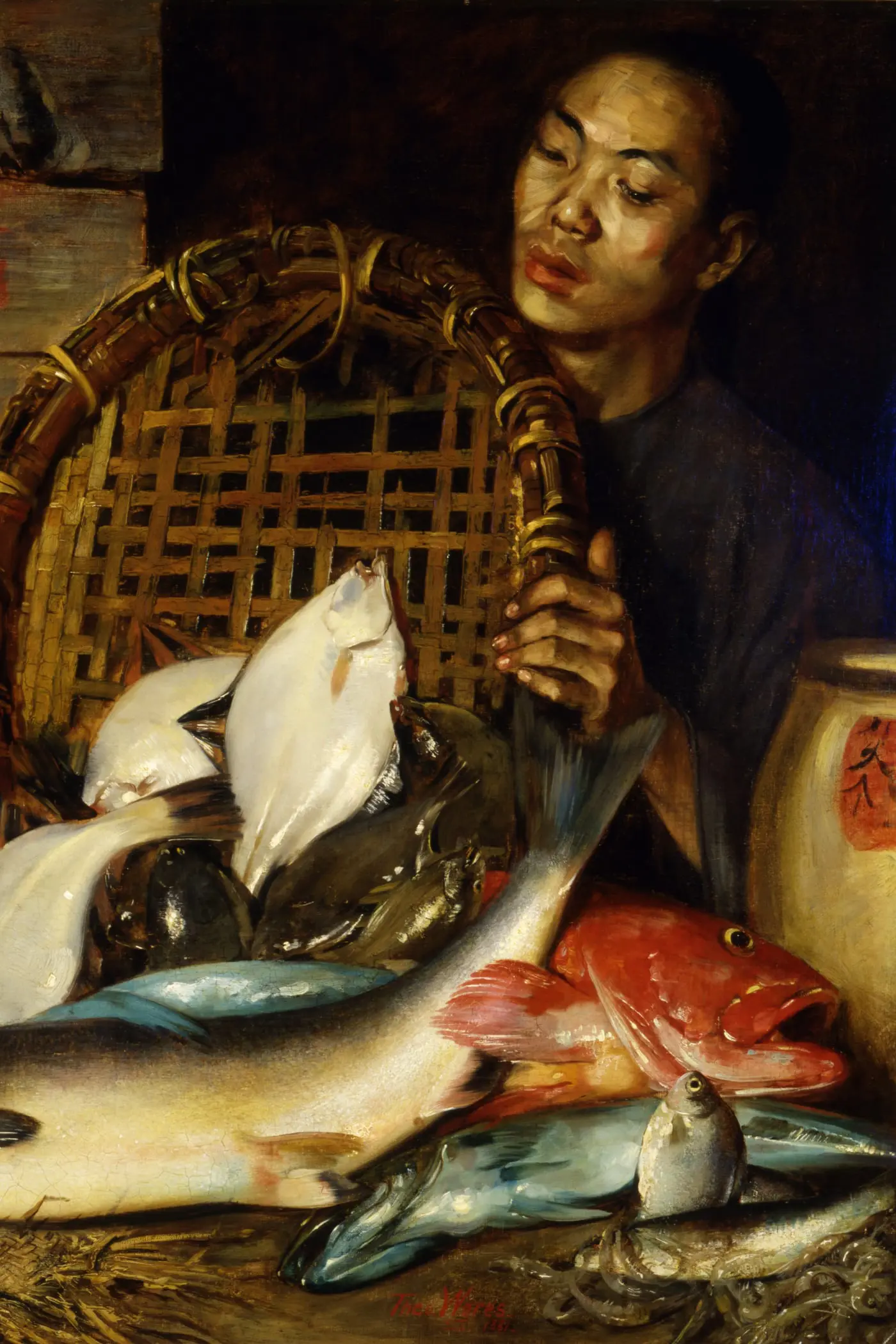
The Faraway Bride
What is The Faraway Bride about?
The Faraway Bride (originally Tobit Transplanted, 1931) is Stella Benson’s prize-winning novel, a remarkable retelling of the biblical Book of Tobit set among White Russian émigrés in Manchuria. The story follows a community of exiled Russians living on the margins of Chinese society, weaving the ancient tale of Tobit and Sara into a modern narrative of displacement, poverty, and resilience. Benson’s deep knowledge of life in the Far East, combined with her gift for blending fantasy and realism, creates a unique and haunting novel.
Main themes in The Faraway Bride
Biblical retelling
The Faraway Bride thoughtfully explores biblical retelling through its central conflicts.
Russian émigrés
The presence of russian émigrés in The Faraway Bride connects readers to its enduring relevance.
Manchuria setting
In The Faraway Bride, manchuria setting provides a lens for understanding the story's core message.
Exile and displacement
Exile and displacement emerges as a defining element in The Faraway Bride, shaping character development.
Why The Faraway Bride is still relevant today
The Faraway Bride is a remarkable fusion of biblical narrative and modern colonial fiction. Its portrayal of exile, cultural displacement, and resilience offers perspectives that remain relevant today.
Frequently Asked Questions
What is The Faraway Bride about?
A retelling of the biblical Book of Tobit set among White Russian émigrés in Manchuria, exploring exile, poverty, and resilience.
Did The Faraway Bride win awards?
Yes, it won both the Femina Vie Heureuse and the James Tait Black Memorial Prize in 1931.
Is The Faraway Bride difficult to read?
Benson’s prose is vivid and accessible. Familiarity with the Book of Tobit enriches the reading but is not required.
Where can I read The Faraway Bride free?
You can read the full text free on TextStack.