The Golden Ass
What is The Golden Ass about?
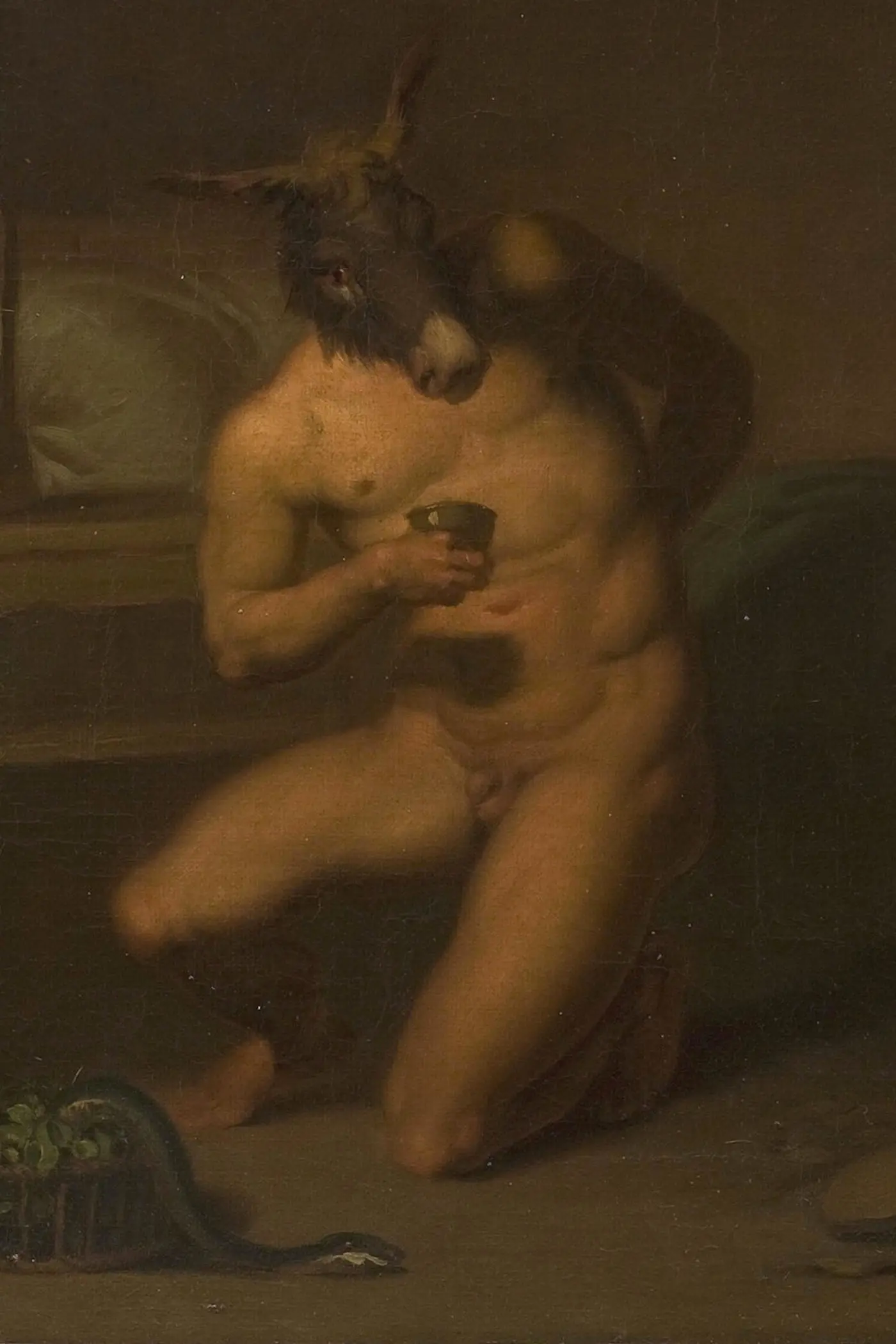
The Golden Ass (also known as Metamorphoses, c. 170 CE) is the only complete Latin novel to survive from antiquity. Written by Apuleius, it follows the misadventures of Lucius, a young man whose curiosity about magic leads to his accidental transformation into a donkey. In his animal form, Lucius passes through the hands of various owners—robbers, priests, soldiers, bakers—experiencing the full spectrum of Roman society from its lowest depths to its highest mysteries. The novel includes the celebrated tale of Cupid and Psyche and culminates in Lucius's redemption through the goddess Isis. It combines ribald comedy with philosophical depth and mystical revelation.
Main themes in The Golden Ass
Roman Novel
Roman Novel emerges as a defining element in The Golden Ass, shaping character development.
Transformation and Metamorphosis
In The Golden Ass, transformation and metamorphosis provides a lens for understanding the story's core message.
Cupid and Psyche
Cupid and Psyche emerges as a defining element in The Golden Ass, shaping character development.
Ancient Satire
The Golden Ass thoughtfully explores ancient satire through its central conflicts.
Why The Golden Ass is still relevant today
As the only complete surviving Roman novel, The Golden Ass is invaluable for understanding ancient fiction, Roman social life, and the religious landscape of the second century. Its narrative techniques anticipate the picaresque novel by over a millennium.
Frequently Asked Questions
What is The Golden Ass about?
A young man is accidentally transformed into a donkey and experiences adventures across Roman society before being redeemed by the goddess Isis.
What is the story of Cupid and Psyche?
It's a fairy tale within The Golden Ass about the god Cupid's secret love for the mortal Psyche and the trials she must endure to win him back.
Where can I read The Golden Ass online?
You can read The Golden Ass free on TextStack.