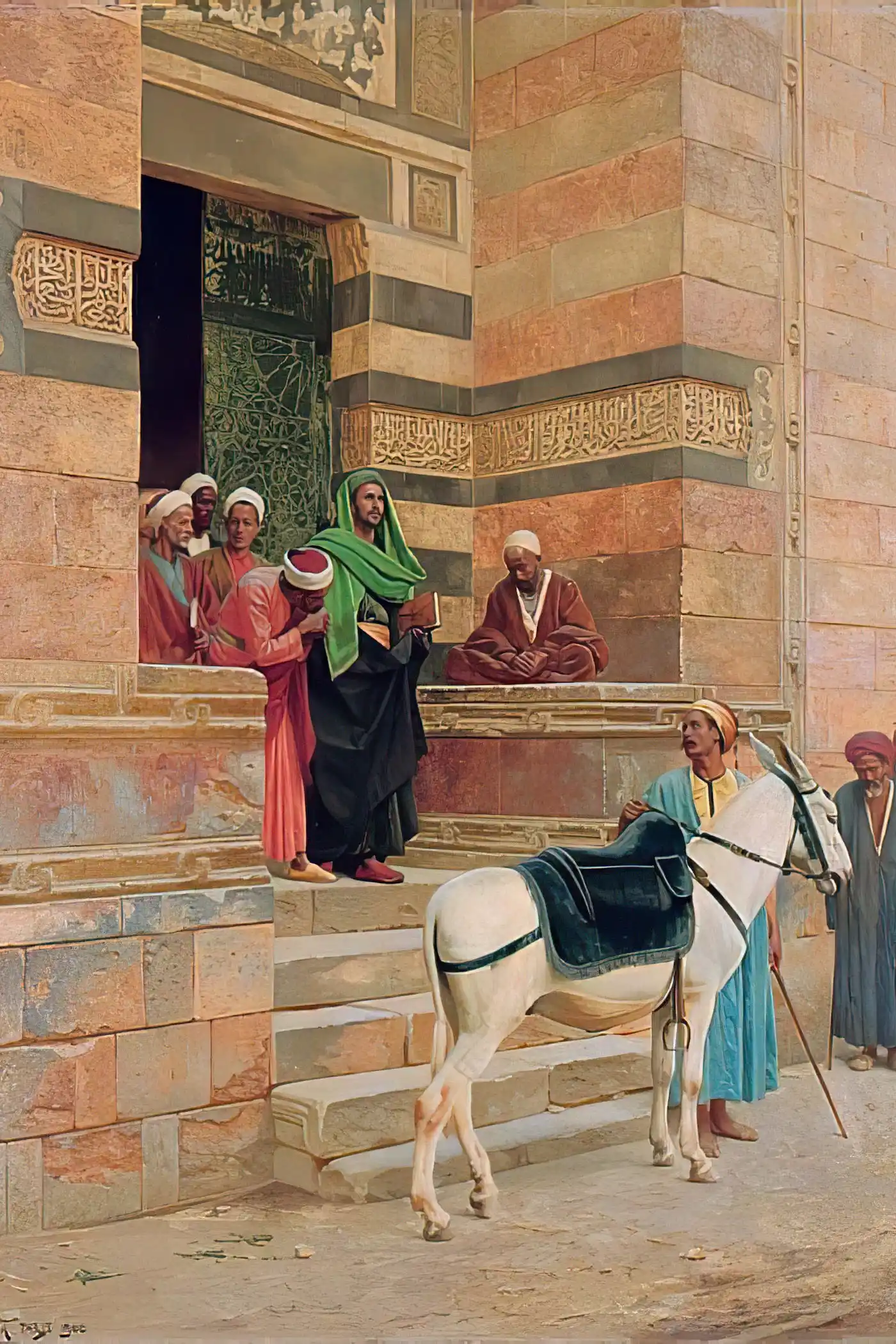
The History of Rasselas, Prince of Abyssinia
What is The History of Rasselas, Prince of Abyssinia about?
Rasselas, Prince of Abissinia (1759) is Samuel Johnson’s philosophical tale about the search for happiness. Prince Rasselas escapes from the Happy Valley, a paradise where every material want is satisfied but where he feels restless and unfulfilled. Accompanied by his sister Nekayah, her attendant Pekuah, and the philosopher Imlac, he travels through Egypt examining different ways of life—from the pastoral to the scholarly, from the wealthy to the hermetic—seeking the “choice of life” that will bring true contentment. Johnson wrote Rasselas in a single week to pay for his mother’s funeral, yet it stands as one of the eighteenth century’s most profound meditations on human desire.
Main themes in The History of Rasselas, Prince of Abyssinia
The pursuit of happiness
The theme of the pursuit of happiness weaves through The History of Rasselas, Prince of Abyssinia, adding depth to its narrative.
Philosophy of life
The presence of philosophy of life in The History of Rasselas, Prince of Abyssinia connects readers to its enduring relevance.
Human restlessness
The History of Rasselas, Prince of Abyssinia thoughtfully explores human restlessness through its central conflicts.
Wisdom and experience
In The History of Rasselas, Prince of Abyssinia, wisdom and experience provides a lens for understanding the story's core message.
Why The History of Rasselas, Prince of Abyssinia is still relevant today
Rasselas remains a powerful philosophical exploration of happiness, ambition, and the human condition. Its themes of restless seeking and the impossibility of perfect contentment resonate deeply with modern readers.
Frequently Asked Questions
What is Rasselas about?
A prince escapes paradise to explore the world, seeking the way of life that brings true happiness—only to discover the complexity of human contentment.
Is Rasselas a novel or a philosophical work?
It is both—a narrative philosophical tale in the tradition of Voltaire’s Candide, which was published the same year.
Is Rasselas difficult to read?
Johnson’s prose is formal but elegant. The philosophical content is accessible and rewarding, especially for readers interested in big questions about life.
Where can I read Rasselas free?
You can read the full text free on TextStack.