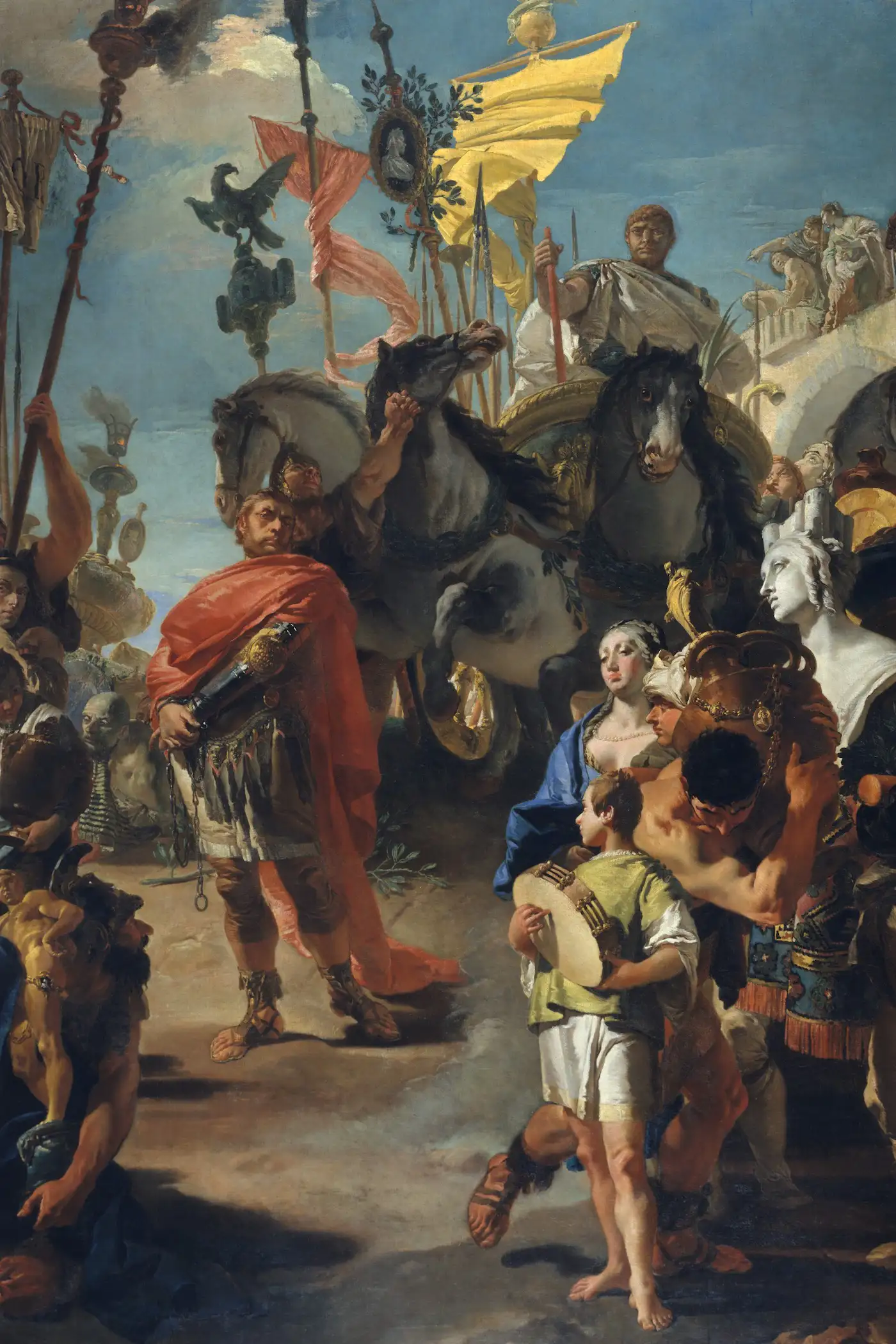
The History of the Decline and Fall of the Roman Empire
What is The History of the Decline and Fall of the Roman Empire about?
The History of the Decline and Fall of the Roman Empire (1776–89) is Edward Gibbon's monumental work of history, spanning more than a thousand years from the second century to the fall of Constantinople in 1453. In six volumes, Gibbon traces the transformation and dissolution of the Roman world with unmatched literary brilliance, ironic wit, and encyclopedic learning. His controversial thesis that Christianity contributed to Rome's decline shocked contemporary readers but helped establish the modern principle of treating religion as a historical rather than sacred subject. The work is both a supreme achievement of Enlightenment scholarship and one of the greatest prose works in the English language.
Main themes in The History of the Decline and Fall of the Roman Empire
Roman History
In The History of the Decline and Fall of the Roman Empire, roman history provides a lens for understanding the story's core message.
Fall of Empire
In The History of the Decline and Fall of the Roman Empire, fall of empire provides a lens for understanding the story's core message.
Christianity and Rome
Christianity and Rome emerges as a defining element in The History of the Decline and Fall of the Roman Empire, shaping character development.
Constantinople
Constantinople emerges as a defining element in The History of the Decline and Fall of the Roman Empire, shaping character development.
Why The History of the Decline and Fall of the Roman Empire is still relevant today
The Decline and Fall is one of the most important and beautifully written works of history in any language. Gibbon's prose style alone makes it a literary masterpiece worth reading.
Frequently Asked Questions
What is The Decline and Fall about?
Gibbon traces Rome's transformation from the golden age of the Antonines through the fall of Constantinople in 1453.
Is The Decline and Fall difficult to read?
Gibbon's prose is elegant and readable, though the six-volume scope is vast. Many readers enjoy individual volumes rather than the complete work.
Where can I read The Decline and Fall online?
You can read it free on TextStack.