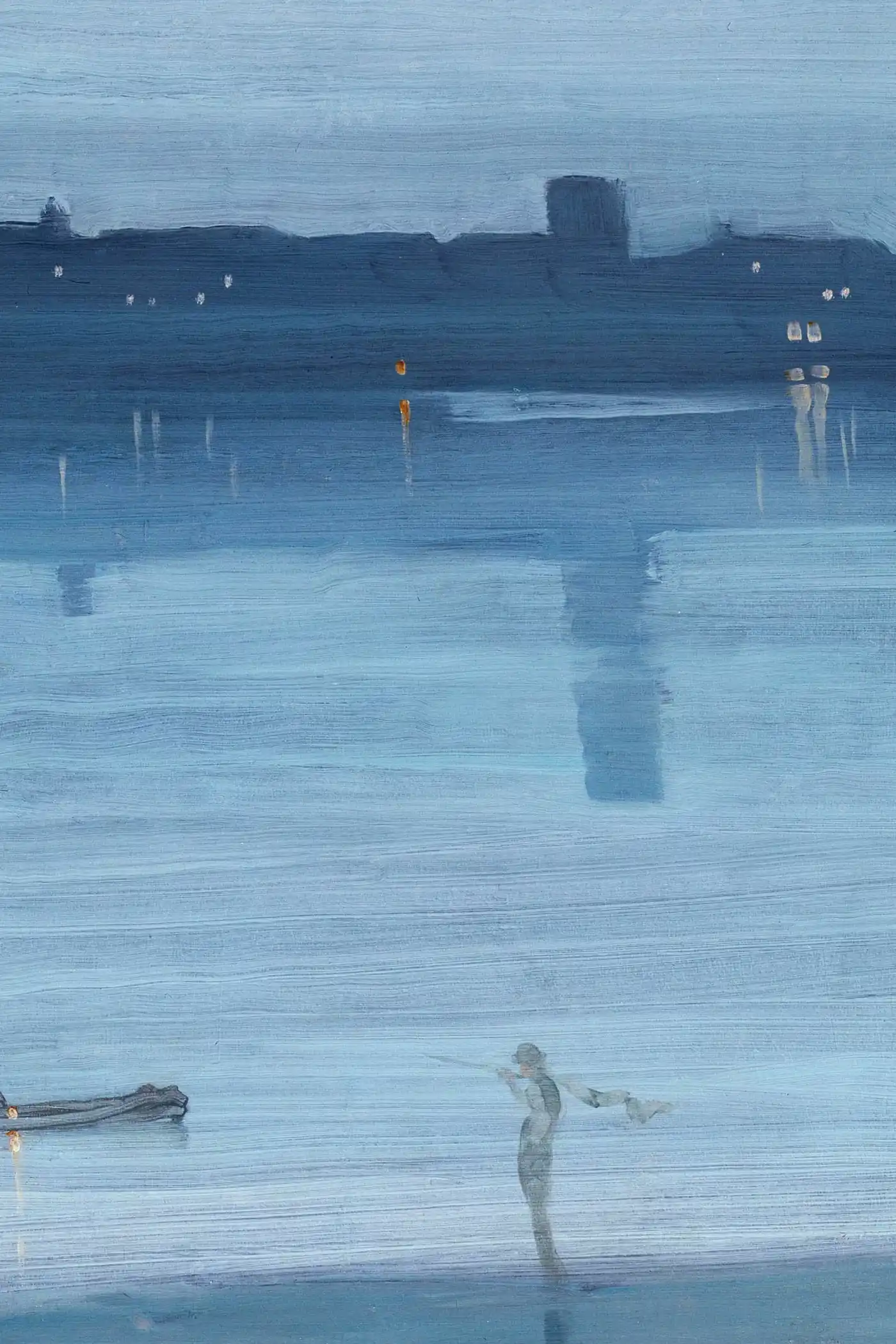
The House by the River
What is The House by the River about?
The House by the River (1921) is A. P. Herbert's atmospheric thriller set along the Thames. Stephen Doyne, a charming but morally weak writer, commits an impulsive crime and enlists his steadfast brother John to help conceal it. As the river that flows past their house becomes central to both the crime and its potential discovery, Herbert builds a taut psychological drama about guilt, complicity, and the corrosive effects of deception on family bonds. The novel was adapted into a film noir by Fritz Lang in 1950, testament to its dark power and cinematic potential.
Main themes in The House by the River
Psychological Thriller
The presence of psychological thriller in The House by the River connects readers to its enduring relevance.
Guilt and Complicity
The presence of guilt and complicity in The House by the River connects readers to its enduring relevance.
Thames Setting
The presence of thames setting in The House by the River connects readers to its enduring relevance.
Family Drama
The theme of family drama weaves through The House by the River, adding depth to its narrative.
Why The House by the River is still relevant today
This psychological thriller anticipates the domestic noir genre by decades. Herbert's exploration of guilt and complicity within a family, set against the moody Thames landscape, creates a compelling study in moral deterioration.
Frequently Asked Questions
What is The House by the River about?
A charming but morally weak writer commits an impulsive crime and draws his brother into a web of concealment and guilt along the Thames.
Was The House by the River made into a movie?
Yes, Fritz Lang adapted it into a film noir in 1950.
Where can I read The House by the River online?
You can read The House by the River free on TextStack.