The Inspector General
What is The Inspector General about?
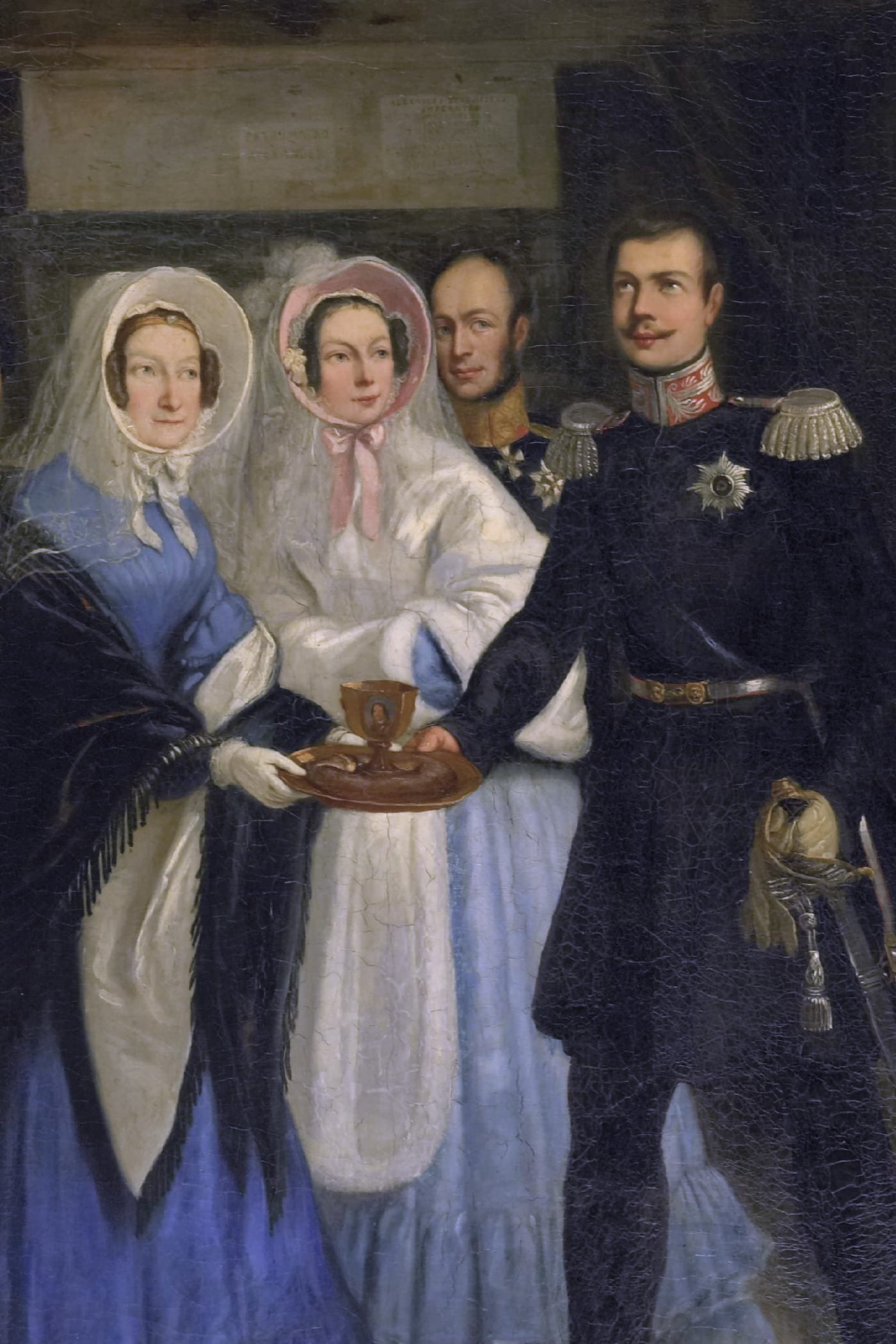
The Inspector General (Russian: Ревизор, Revizor) is a five-act satirical comedy by Nikolai Gogol, first performed in 1836 in St. Petersburg. The play centers on a provincial Russian town whose corrupt officials receive word that a government inspector is traveling incognito in their region. Mistaking Khlestakov, an idle and penniless clerk from St. Petersburg, for the feared inspector, the town's mayor, judge, postmaster, school superintendent, and charity overseer rush to bribe and flatter him. Khlestakov, bewildered at first but quick to exploit the situation, accepts money, food, and flattery while spinning increasingly implausible boasts about his importance. The farce accelerates until a letter Khlestakov sends to a friend in St. Petersburg is intercepted and read aloud, exposing the deception. The play closes with the arrival of a real inspector, leaving every guilty official frozen in a famous silent tableau. Gogol conceived the work as a mirror held up to Russian bureaucratic corruption and human self-deception. Unlike earlier comedies that assigned virtue to sympathetic characters, The Inspector General distributes moral failure equally across the entire cast, making the social critique structural rather than personal. It is considered one of the foundational works of Russian realist theatre and remains a defining text in world dramatic literature.
Main themes in The Inspector General
Bureaucratic corruption and accountability
The presence of bureaucratic corruption and accountability in The Inspector General connects readers to its enduring relevance.
Mistaken identity and social deception
The Inspector General thoughtfully explores mistaken identity and social deception through its central conflicts.
Fear of authority and institutional panic
The Inspector General thoughtfully explores fear of authority and institutional panic through its central conflicts.
Vanity and self-aggrandizement
Vanity and self-aggrandizement emerges as a defining element in The Inspector General, shaping character development.
Why The Inspector General is still relevant today
Gogol's comedy retains its cultural force because the dynamics it depicts — officials more concerned with appearances than governance, collective panic overriding rational judgment, and bribery as routine administrative practice — recur across societies and centuries. Political satire drawing on the Revizor tradition appears regularly in theatre, film, and television adaptations worldwide. The play's central mechanism, mistaken identity exploited by a confidence-man who asks for nothing yet receives everything, became a template for later comic and satirical fiction. Scholars of bureaucracy, corruption, and institutional psychology continue to reference the work as a literary case study. For contemporary readers, the play offers both a precise historical portrait of tsarist provincial Russia and a broadly applicable model of how institutions fail when self-preservation displaces public duty. The text is in the public domain and is available to read in full on TextStack.
More by this author
Frequently Asked Questions
What is The Inspector General about?
The Inspector General is a satirical comedy by Nikolai Gogol in which the corrupt officials of a small Russian town mistake a penniless clerk named Khlestakov for a feared government inspector traveling in disguise. The officials bribe and flatter him to conceal their misconduct, while Khlestakov exploits the confusion until a letter exposes the truth — just as a real inspector arrives.
Is The Inspector General difficult to read?
The play is generally accessible. Gogol's dialogue is direct and the comic situations are clearly drawn. Readers unfamiliar with tsarist Russian administrative titles may benefit from the dramatis personae list, which identifies each character's official role. Most English translations keep the language straightforward, and the full text is freely available on TextStack.
How long does it take to read The Inspector General?
The Inspector General is a five-act stage play running approximately 25,000 to 30,000 words in English translation. Most readers complete it in two to three hours. It can also be read act by act in shorter sittings of thirty to forty minutes each.
What are the main themes in The Inspector General?
The play's central themes include bureaucratic corruption, the fear of governmental authority, collective moral complicity, and the power of mistaken identity. Gogol presents a society in which every official is implicated in wrongdoing, so the satire targets the system rather than any single villain. Vanity and self-deception are also recurring motifs, particularly in Khlestakov's escalating boasts and the officials' willingness to believe them.