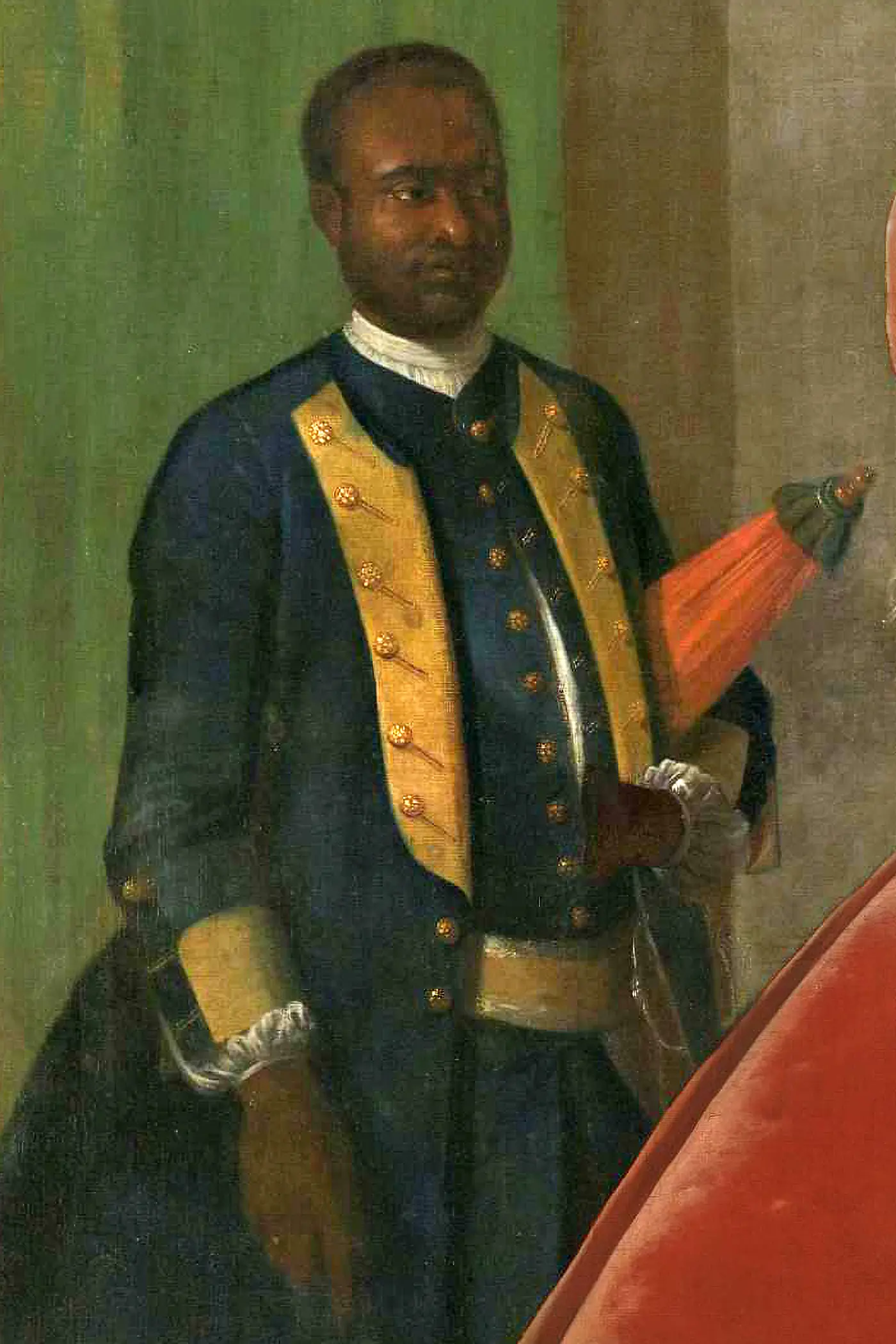
The Interesting Narrative of the Life of Olaudah Equiano
What is The Interesting Narrative of the Life of Olaudah Equiano about?
The Interesting Narrative of the Life of Olaudah Equiano (1789) is one of the earliest and most influential slave narratives in English, a bestselling autobiography that played a significant role in the British abolitionist movement. Equiano recounts his childhood in an Igbo village in West Africa, his kidnapping and forced journey through the slave trade, the terrors of the Middle Passage, and his years of enslavement in Barbados, Virginia, and on various ships. After purchasing his freedom in 1766, Equiano traveled widely—to the Arctic, Central America, and throughout Europe—before settling in London and joining the abolitionist cause. The Narrative is remarkable for its range and literary skill: Equiano moves from ethnographic description of Igbo society to harrowing accounts of slavery’s cruelty, from adventure narrative to spiritual autobiography, from economic analysis of the slave trade to passionate moral argument against it. His portrayal of himself as an intelligent, resourceful, and deeply moral human being was itself a powerful argument against the racist ideology that justified enslavement.
Main themes in The Interesting Narrative of the Life of Olaudah Equiano
Slave Trade Testimony
The Interesting Narrative of the Life of Olaudah Equiano thoughtfully explores slave trade testimony through its central conflicts.
African Childhood
The Interesting Narrative of the Life of Olaudah Equiano thoughtfully explores african childhood through its central conflicts.
Middle Passage
The theme of middle passage weaves through The Interesting Narrative of the Life of Olaudah Equiano, adding depth to its narrative.
Freedom and Self-Purchase
In The Interesting Narrative of the Life of Olaudah Equiano, freedom and self-purchase provides a lens for understanding the story's core message.
Why The Interesting Narrative of the Life of Olaudah Equiano is still relevant today
Equiano’s Narrative is essential reading for understanding the transatlantic slave trade, the abolitionist movement, and the Black Atlantic experience. As a foundational text of African diasporic literature, it provides testimony that remains vital to contemporary discussions of race, justice, and historical memory.
Frequently Asked Questions
What is The Interesting Narrative about?
Equiano’s autobiography recounts his kidnapping in Africa, the Middle Passage, years of enslavement, self-purchase of freedom, and his life as a free man and abolitionist. Read it free on TextStack.
Is the Interesting Narrative historically reliable?
While some details of Equiano’s early life are debated by scholars, the Narrative’s account of slavery, the slave trade, and the abolitionist movement is historically invaluable.
Is this book difficult to read?
Equiano writes in clear, engaging 18th-century prose. The narrative moves swiftly through dramatic events and is accessible to modern readers with only minor period adjustments.
Why is this autobiography important?
It is one of the founding texts of the slave narrative tradition and African diasporic literature, and it directly influenced the British abolition of the slave trade in 1807.