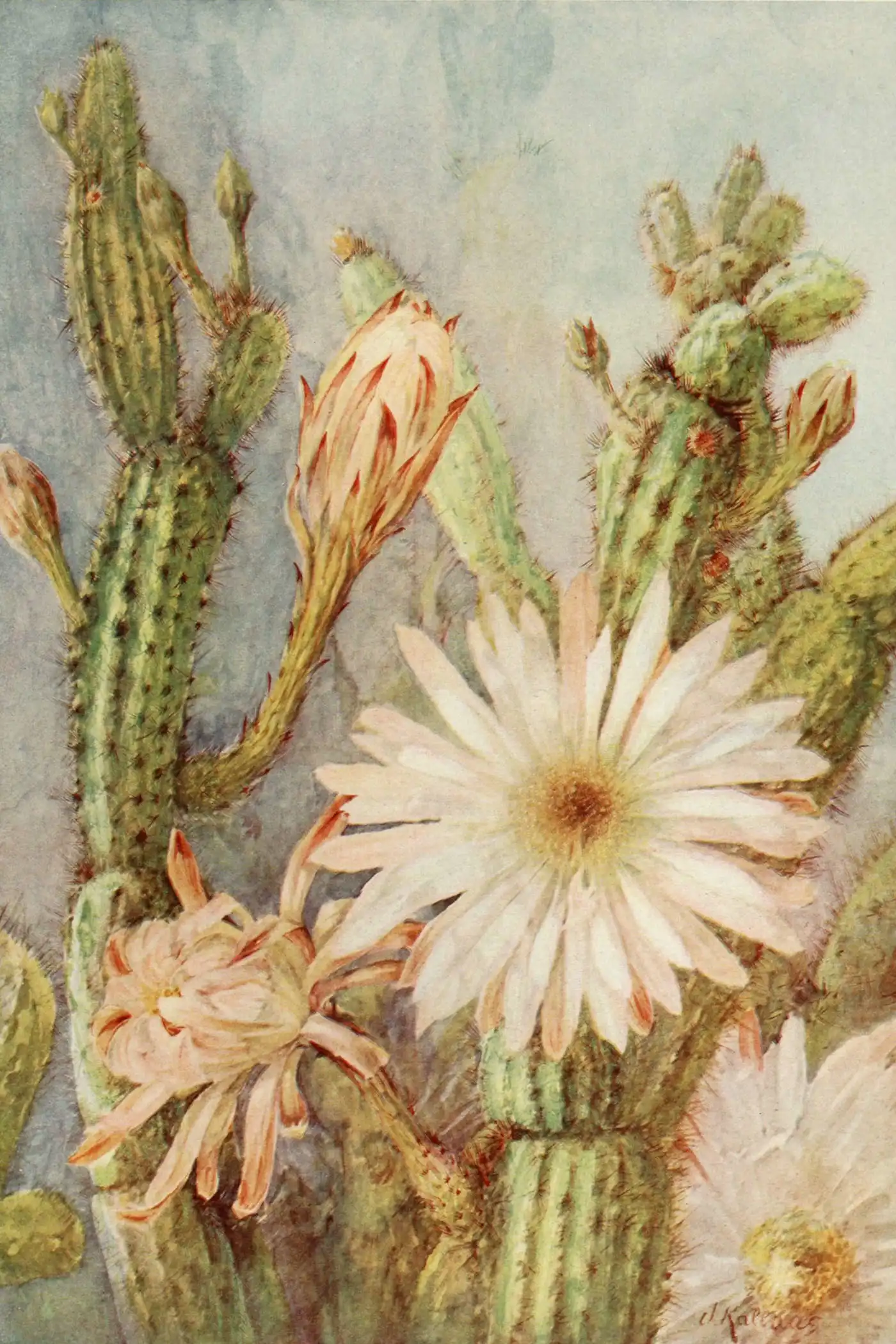
The Land of Little Rain
What is The Land of Little Rain about?
The Land of Little Rain (1903) is Mary Austin’s masterpiece of nature writing, a collection of fourteen essays about the desert country between the Sierra Nevada and Death Valley—a landscape Austin called "the Country of Lost Borders." With precise observation and lyric prose, Austin describes the plants, animals, water sources, and human communities of this arid land: the creosote bushes and cacti, the coyotes and roadrunners, the Paiute and Shoshone peoples, the miners and shepherds who inhabit this seemingly inhospitable region. Austin reveals the desert not as wasteland but as a complete world with its own logic, beauty, and community of life. Her writing combines the naturalist’s eye for ecological detail with a mystic’s appreciation for the desert’s spiritual dimensions, and she treats indigenous knowledge and ways of life with a respect unusual for her era. The book established Austin as a major American nature writer and remains one of the finest works of environmental literature.
Main themes in The Land of Little Rain
Desert Ecology
The Land of Little Rain thoughtfully explores desert ecology through its central conflicts.
American Nature Writing
American Nature Writing emerges as a defining element in The Land of Little Rain, shaping character development.
Indigenous Knowledge
The presence of indigenous knowledge in The Land of Little Rain connects readers to its enduring relevance.
Sierra Nevada
Sierra Nevada emerges as a defining element in The Land of Little Rain, shaping character development.
Why The Land of Little Rain is still relevant today
The Land of Little Rain remains essential reading for anyone interested in American nature writing, desert ecology, or the relationship between humans and arid landscapes. Its ecological awareness and respect for indigenous knowledge anticipate contemporary environmentalism.
Frequently Asked Questions
What is The Land of Little Rain about?
Fourteen essays about the desert between the Sierra Nevada and Death Valley, celebrating its ecology, indigenous peoples, and hidden beauty. Read it free on TextStack.
Is this book just about nature?
Austin weaves together natural history, indigenous culture, settler communities, and philosophical reflection, creating a portrait of an entire desert world and the beings who inhabit it.
Is The Land of Little Rain difficult to read?
Austin’s prose is beautiful and accessible, with short, self-contained essays that can be read individually or as a unified work. It rewards both quick reading and deep reflection.
How does this compare to other nature writing?
Austin’s work is often compared to Thoreau and John Muir but distinguished by its focus on arid landscapes, its respect for indigenous knowledge, and its proto-ecological awareness.