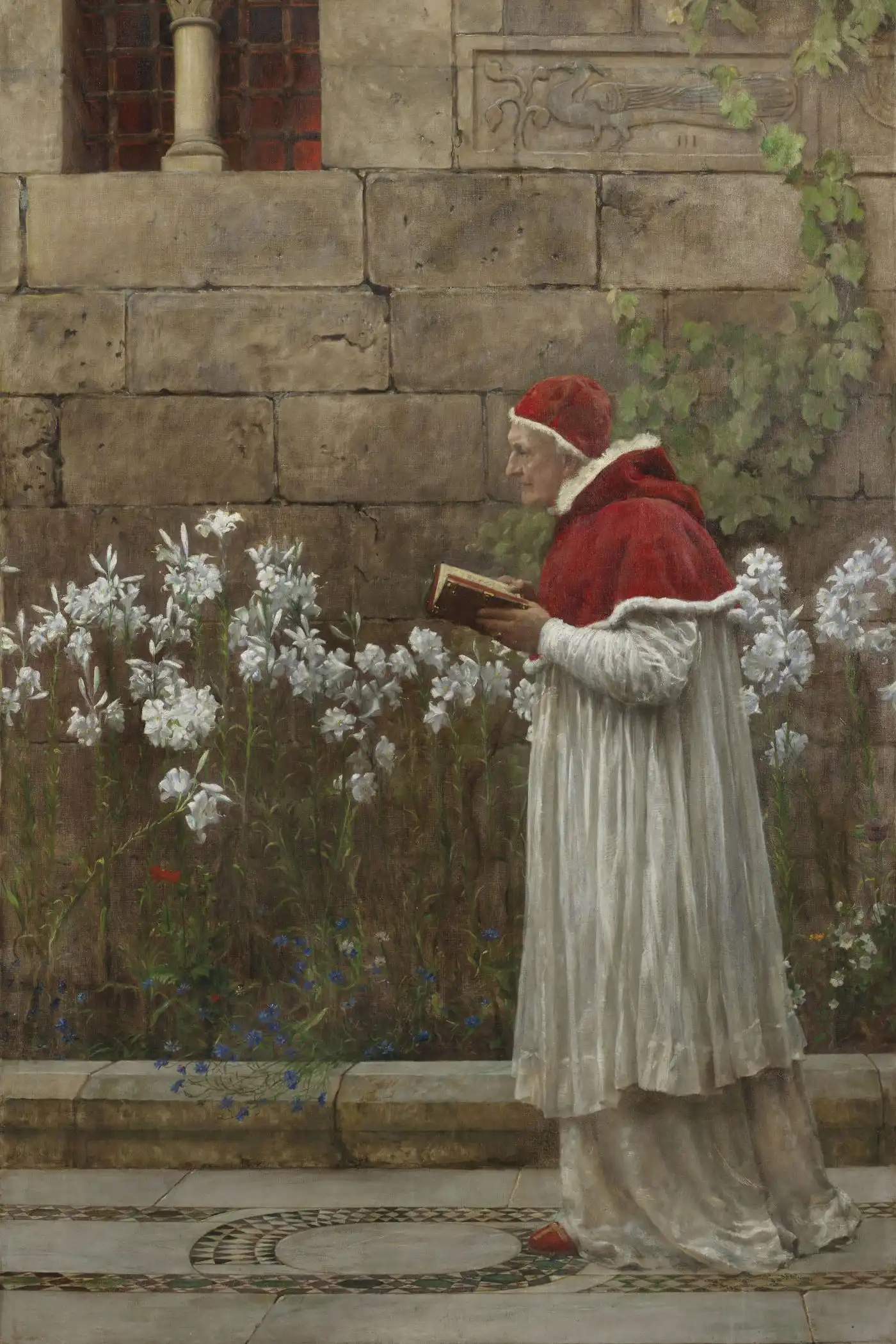
The Monk
What is The Monk about?
The Monk by Matthew Gregory Lewis is a scandalous masterpiece of Gothic horror that shocked Georgian England with its lurid tale of religious corruption and supernatural terror. Published in 1796 when Lewis was only 19, this sensational novel follows the virtuous Ambrosio, a revered Madrid monk whose fatal encounter with a mysterious woman leads him into a spiral of lust, murder, and demonic bargains. Lewis combines shocking plot twists, ghostly apparitions, the Wandering Jew, and scenes of torture into an unforgettable reading experience. Condemned as obscene yet wildly popular, The Monk influenced Mary Shelley, the Brontës, and countless Gothic writers while remaining deliciously readable today.
Main themes in The Monk
Gothic horror and the supernatural
The presence of gothic horror and the supernatural in The Monk connects readers to its enduring relevance.
Religious hypocrisy
In The Monk, religious hypocrisy provides a lens for understanding the story's core message.
Forbidden desire and temptation
In The Monk, forbidden desire and temptation provides a lens for understanding the story's core message.
Damnation and corruption
The presence of damnation and corruption in The Monk connects readers to its enduring relevance.
Why The Monk is still relevant today
The Monk stands as one of the most influential and scandalous Gothic novels, its explicit treatment of desire, violence, and religious corruption establishing a tradition of transgressive horror that persists today. M. G. Lewis wrote it at nineteen, and its sensational content made it both notorious and immensely popular. Contemporary horror fiction owes much to Lewis's willingness to embrace extremity. Readers interested in Gothic literature's darker currents will find this novel genuinely shocking even now.
Frequently Asked Questions
What is The Monk about?
Ambrosio, a renowned Spanish monk, is tempted by a demon disguised as a woman. His descent into lust, murder, and dealing with Satan leads to damnation. The novel combines religious horror with explicit sexuality and violence.
Why was The Monk so controversial?
Published in 1796, the novel's graphic sexuality, anticlerical content, and supernatural horror scandalized readers. Lewis was forced to publish an expurgated edition. Its transgressive content made it both notorious and hugely popular.
How does The Monk differ from other Gothic novels?
While Ann Radcliffe's Gothic explains away supernatural elements, Lewis embraces genuine demons and damnation. His 'male Gothic' tradition of transgression and explicit content contrasts with the 'female Gothic' of terror and restraint.
Is The Monk actually scary?
Readers today may find some elements dated, but the novel's willingness to depict genuine evil, demonic manipulation, and the corruption of virtue remains disturbing. The climactic scenes retain their power to shock.
What influence did The Monk have?
The novel established a tradition of transgressive Gothic that influenced later horror, from penny dreadfuls to contemporary fiction. Its willingness to embrace extremity rather than restraint created templates for horror's darker traditions.