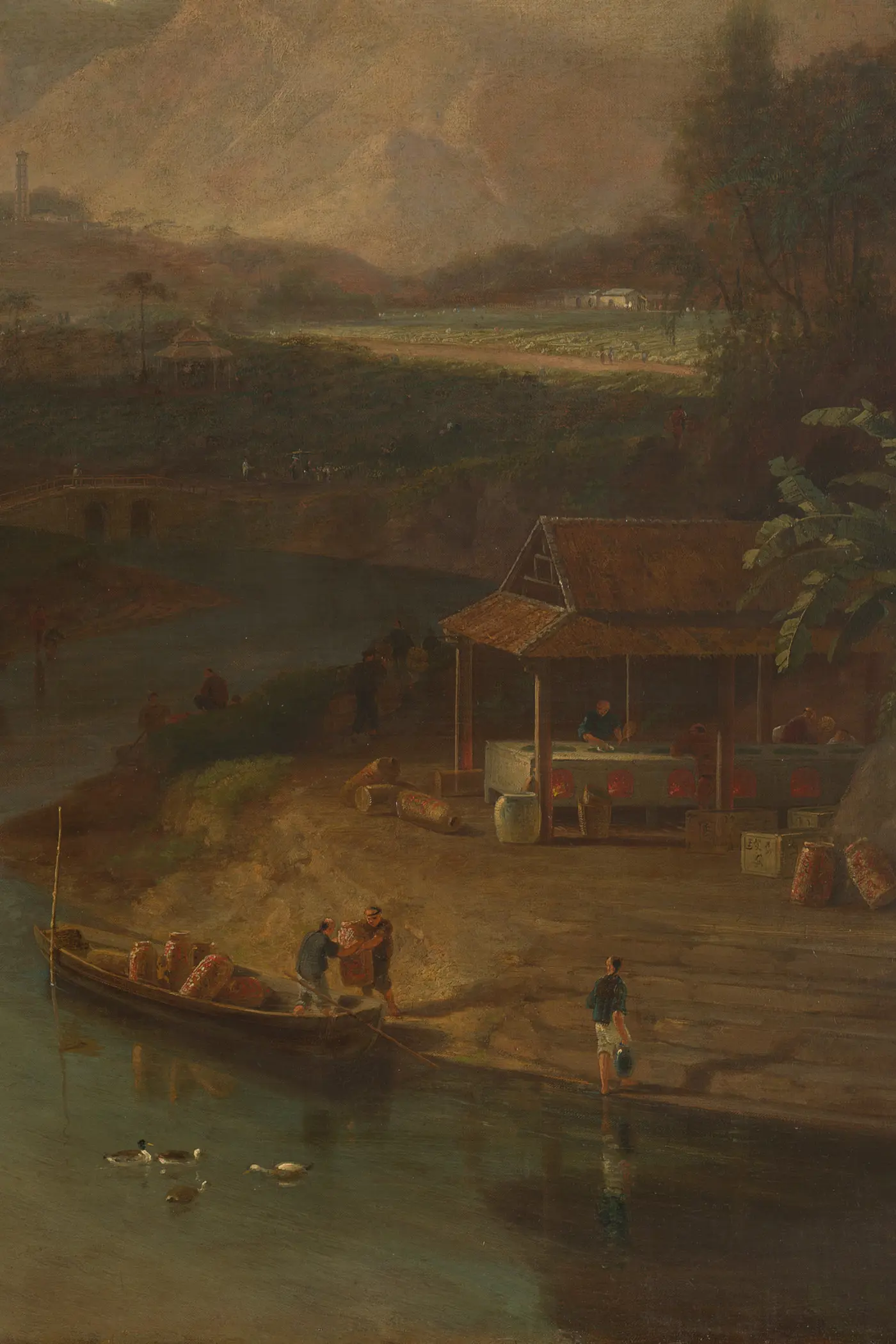
The Mother
What is The Mother about?
The Mother (1934) is Pearl S. Buck’s powerful novel about the life of an unnamed Chinese peasant woman, a companion piece to the male-centered narrative of The Good Earth. The novel traces the mother’s entire life—her arranged marriage, the birth and raising of her children, her husband’s abandonment of the family for the city, and her struggle to maintain her household and land through hardship, famine, and social upheaval. Buck portrays the daily realities of a Chinese peasant woman’s existence with unflinching honesty: the backbreaking labor, the joys and sorrows of motherhood, the sexual loneliness after her husband’s departure, and the fierce determination to ensure her children’s survival. By leaving her protagonist unnamed, Buck universalizes her story—this is the mother of any agricultural society, any era of hardship. The novel demonstrates Buck’s remarkable ability to inhabit Chinese rural consciousness and render it accessible to Western readers without condescension or exoticism.
Main themes in The Mother
Chinese Peasant Life
Chinese Peasant Life emerges as a defining element in The Mother, shaping character development.
Motherhood
The Mother thoughtfully explores motherhood through its central conflicts.
Women’s Survival
Women’s Survival emerges as a defining element in The Mother, shaping character development.
Rural Hardship
The Mother thoughtfully explores rural hardship through its central conflicts.
Why The Mother is still relevant today
The Mother provides an intimate portrait of women’s experience in rural China that complements the male-centered narratives that dominate Chinese historical fiction. Its themes of maternal sacrifice, survival, and resilience speak to women’s experience across all cultures.
Frequently Asked Questions
What is The Mother about?
An unnamed Chinese peasant woman struggles to raise her children and maintain her land after her husband abandons the family, in a universal story of maternal resilience. Read it free on TextStack.
How does The Mother relate to The Good Earth?
While The Good Earth follows a male farmer’s rise, The Mother provides the complementary female perspective on Chinese peasant life, focusing on a woman’s experience of the same world.
Is The Mother difficult to read?
Buck writes in clear, direct prose that makes Chinese peasant life vivid and accessible. The emotional power of the story carries readers through the sometimes harsh subject matter.
Why did Buck leave the mother unnamed?
By not naming her protagonist, Buck universalizes the story—making her the representative of all mothers who sacrifice and endure for their children’s survival.